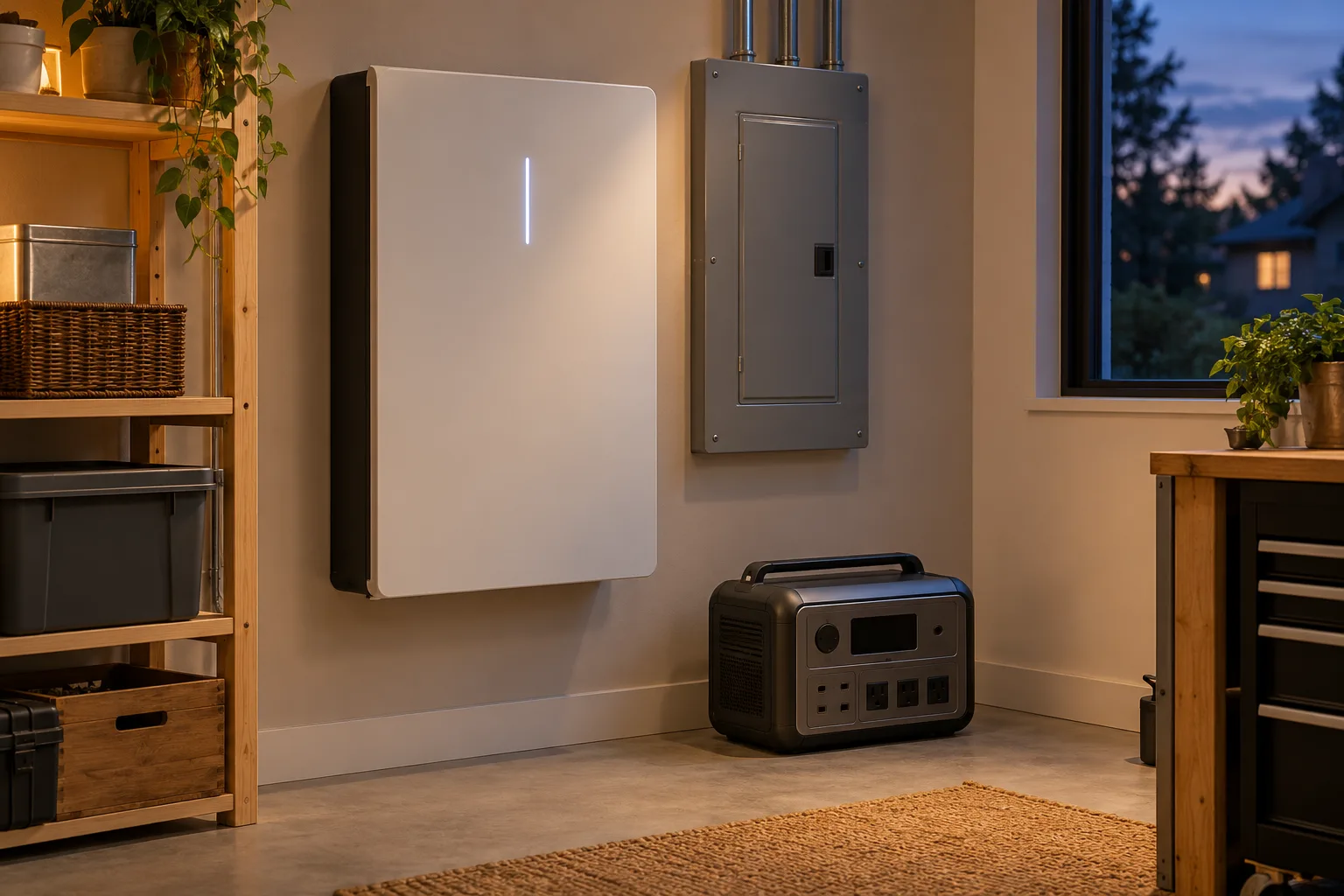
Compare the backup path, not just the battery
That difference changes the work. Portable setups need a safe plan for connecting individual loads and recharging the station. Installed systems need a site survey, supported transfer hardware, compatible electrical service and a load design. Never connect a portable inverter to household wiring through a wall outlet.
Manufacturer documents describe different control architectures: Tesla specifies a Backup Gateway or Backup Switch for system control; Enphase describes its Gen4 combination and metering equipment; FranklinWH pairs the battery with an aGate. Check current compatibility for the exact system family and project. Tesla system design, Enphase Gen4 system overview, and FranklinWH installation guide.
Manufacturer reference systems
| System | Usable energy | Continuous output | AC voltage | System integration |
|---|---|---|---|---|
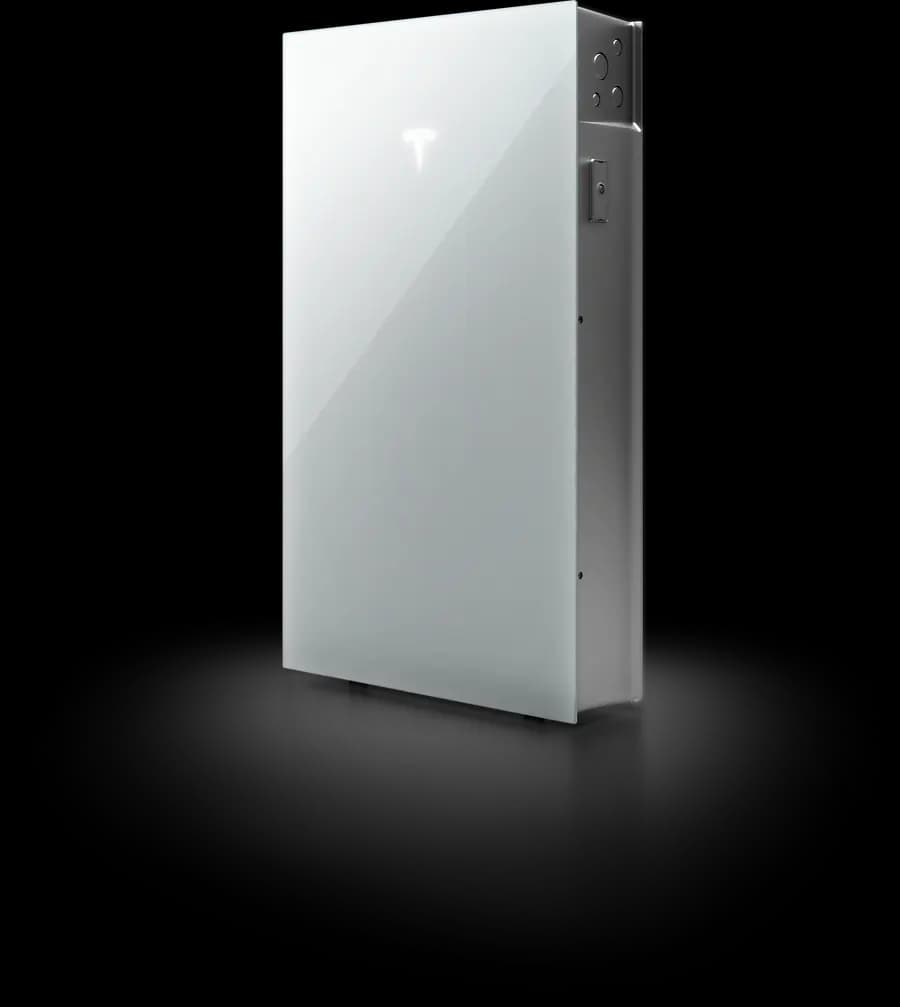 Tesla Powerwall 3 Powerwall 3 Manufacturer image · checked 2026-10-17 | 13.5 kWh usable. Show sourceclaimed sourcetesla.comchecked 2026-10-17https://www.tesla.com/support/energy/powerwall/learn/how-powerwall-works | 11.5 kW. Show sourceclaimed sourcetesla.comchecked 2026-10-17https://www.tesla.com/support/energy/powerwall/learn/how-powerwall-worksTesla states continuous power in kW. | North American residential split-phase configuration; confirm the selected system and site design with the installer. | Tesla describes Backup Gateway or Backup Switch as the system control/backup hardware; whole-home and partial-home behavior depend on the system design. |
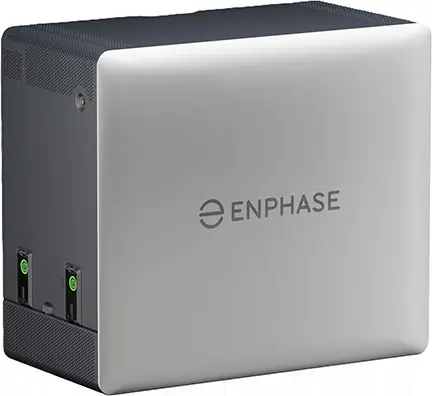 Enphase IQ Battery 10C IQBATTERY-10C-1P-NA Manufacturer image · checked 2026-10-17 | 10 kWh usable. Show sourceclaimed sourceenphase.comchecked 2026-10-17https://enphase.com/download/iq-battery-10c-data-sheet | 7.08 kVA. Show sourceclaimed sourceenphase.comchecked 2026-10-17https://enphase.com/download/iq-battery-10c-data-sheetEnphase states continuous apparent power in kVA; this is not converted to kW. | North American split-phase AC; check the exact system and service configuration in the data sheet. | The Gen4 design uses the IQ Combiner 6C and IQ Meter Collar. The Meter Collar supports whole-home backup; compatible controller generations must be checked. |
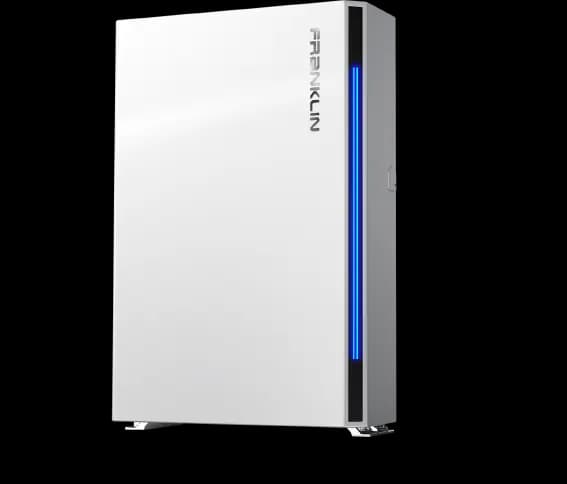 FranklinWH aPower 2 APR-10K15V2-US Manufacturer image · checked 2026-10-17 | 15 kWh AC per unit. Show sourceclaimed sourcefranklinwh.comchecked 2026-10-17https://www.franklinwh.com/document/apower-2-datasheet | 10 kW. Show sourceclaimed sourcefranklinwh.comchecked 2026-10-17https://www.franklinwh.com/document/apower-2-datasheetThe same data sheet also lists 11.5 kVA; we preserve both manufacturer units rather than converting them. | The data sheet lists more than one service configuration; confirm the exact variant against the home service. | The aPower 2 system requires an aGate. The install guide and site design define the supported configuration and backup loads. |
These are manufacturer-stated reference values, not measured outputs. Tesla Powerwall 3: manufacturer source checked 2026-10-17, manufacturer source checked 2026-10-17 · Enphase IQ Battery 10C: manufacturer source checked 2026-10-17, manufacturer source checked 2026-10-17, manufacturer source checked 2026-10-17 · FranklinWH aPower 2: manufacturer source checked 2026-10-17, manufacturer source checked 2026-10-17, manufacturer source checked 2026-10-17
Do not compare kVA with kW as though they were the same value. Inverter output, load power factor, starting demand, phase, panel arrangement and battery configuration all matter to the load a site can serve.
When each path deserves a closer look
- Portable station: you need movable backup for selected plug-in appliances, travel, or temporary use, and the station’s outlet rating and energy fit the measured loads.
- Installed battery: you want backup through selected home circuits, automated transfer, or a system designed around the home’s electrical service and a compatible gateway.
- Neither choice is settled by a headline capacity: check the load list, startup needs, recharge plan, transfer design, location and the manufacturer’s instructions.