← Can it run?

Runtime evidence · sourced load

How Many Watts Does a Sump Pump Use?

A sump pump draws 800 W while running, and 2,000 W at startup. 1 station clears the capacity, inverter, and startup checks at that load.

Average draw
800 W
Source · 2026-07-06
Startup requirement
2,000 W
Source · 2026-07-06
Stations passing
1
Current sourced catalog

By the BatteryRank Engineering Team

01 · Runtime ladder

Capacity steps, on the same load

Nominal capacity × depth of discharge × inverter efficiency ÷ sourced average draw.

Estimated runtime by portable power station capacity
Capacity classEstimated runtimeEvidence
300 Whstep 10.3 hrSump pump (1/3 HP) load · 2026-07-06
500 Whstep 20.5 hrSump pump (1/3 HP) load · 2026-07-06
1,000 Whstep 31 hrSump pump (1/3 HP) load · 2026-07-06
2,000 Whstep 41.9 hrSump pump (1/3 HP) load · 2026-07-06

These are comparison projections, not a promise. Temperature, inverter behavior, cycling, and the individual station's measured delivered capacity can change real runtime.

02 · Reading the numbers

What the sump pump numbers leave out

How this load actually behaves

A sump pump is the hardest load on this site for its size. It draws 800 W while pumping but demands roughly 2,000 W for the fraction of a second the motor breaks away from standstill, and it does that every time the float switch closes. During the storm that makes you need it, that can be several starts an hour for hours.
Where buyers get this one wrong

Buying for the running watts. An 1,000 W station matches the pump on paper and fails on the first start. The second mistake is treating total energy as the constraint: the pump runs in short bursts, so a modest battery covers a long night — it is the inverter surge rating that eliminates almost every station in our catalog, not the capacity.

What our figure does not cover

Our figures describe a one-third-horsepower pedestal-style pump. Half-horsepower and above draw proportionally more, and an old pump with worn bearings draws more still. The pump nameplate on your own basin is the number to use, and it is the one figure worth walking downstairs to read before you buy anything.

03 · Passing stations

One station passes this load

Some links on this page are affiliate links. BatteryRank may earn a commission at no extra cost to you. Commission never affects whether a station passes these checks; when two stations tie on every measured criterion, the one with a live retail offer is shown.

Best all-round fit

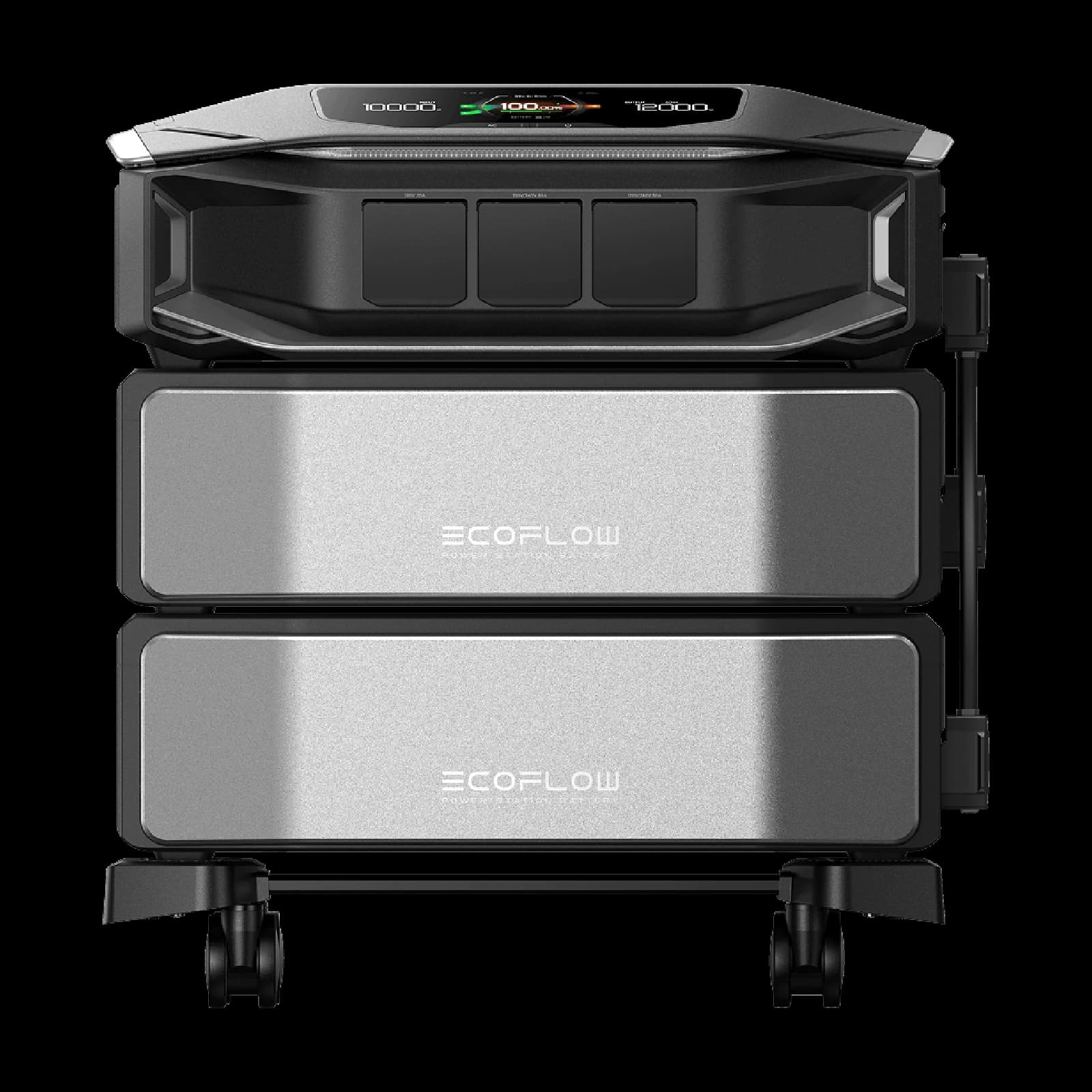
EcoFlow DELTA Pro Ultra X

Projected runtime
26.1 hr
Headroom
8.8%
Weight
135.5 kg

Why it fits

79.7 BatteryRank score — the highest of any station that fits this plan

Main compromise

No measured compromise across 1 eligible models

Open sourced model dossier →

Explore passing models by projected runtime

This ordered data view is separate from the single recommended buying strategy above.

  1. 01EcoFlow DELTA Pro Ultra X26.1 hr

Runtime uses each linked model's sourced capacity and output data; open its dossier for provenance.

Solar effect

400 W of panels on EcoFlow DELTA Pro Ultra X

Daily harvest
1,120 Wh
Daily balance
10,174 Wh deficit
Runtime with solar
1.2 days

Computed with this model's sourced solar-input limit and BatteryRank's published harvest assumptions. Check the solar method → · Model sources →

04 · Evidence record

Device assumptions used

Sourced running draw
800 W
Duty cycle
100%
Startup surge
2,000 W
Manufacturer spec · 2026-07-06

Questions, answered from the same inputs

How Many Watts Does a Sump Pump Use?
Yes. 1 station in the current sourced catalog passes the capacity, inverter, and startup checks for the default runtime.
What power figure matters most for a sump pump?
Average draw determines battery runtime, while the sourced startup requirement must stay within the station inverter's surge capability.
Why do so few power stations pass this check?
The surge requirement. Most stations in the catalog can supply 800 W all night; far fewer can deliver the ~2,000 W instantaneous demand of the motor start without shutting down to protect themselves.
Is a battery station a real substitute for a backup sump system?
It is a bridge, not a replacement. A dedicated DC backup pump plumbed into the basin keeps working when the primary pump fails mechanically, which a power station cannot help with. The station covers the case where the pump is fine and the grid is not.
How much battery does a night of pumping actually take?
Far less than people assume, because the pump only runs in bursts. Total energy depends entirely on how often the float trips, which depends on how much water is arriving — so measure cycles per hour during an ordinary heavy rain and size from that, rather than from a worst case you have never observed.