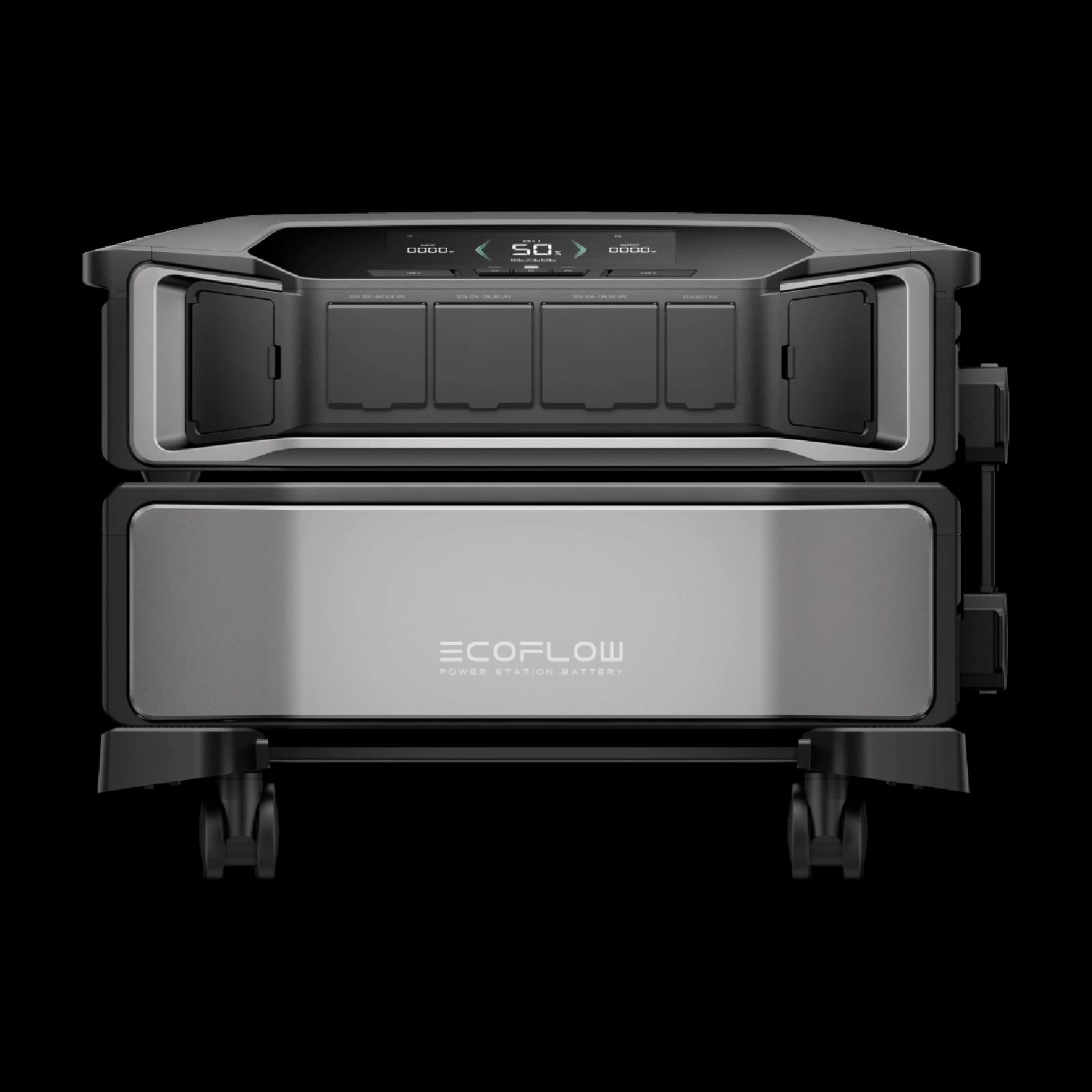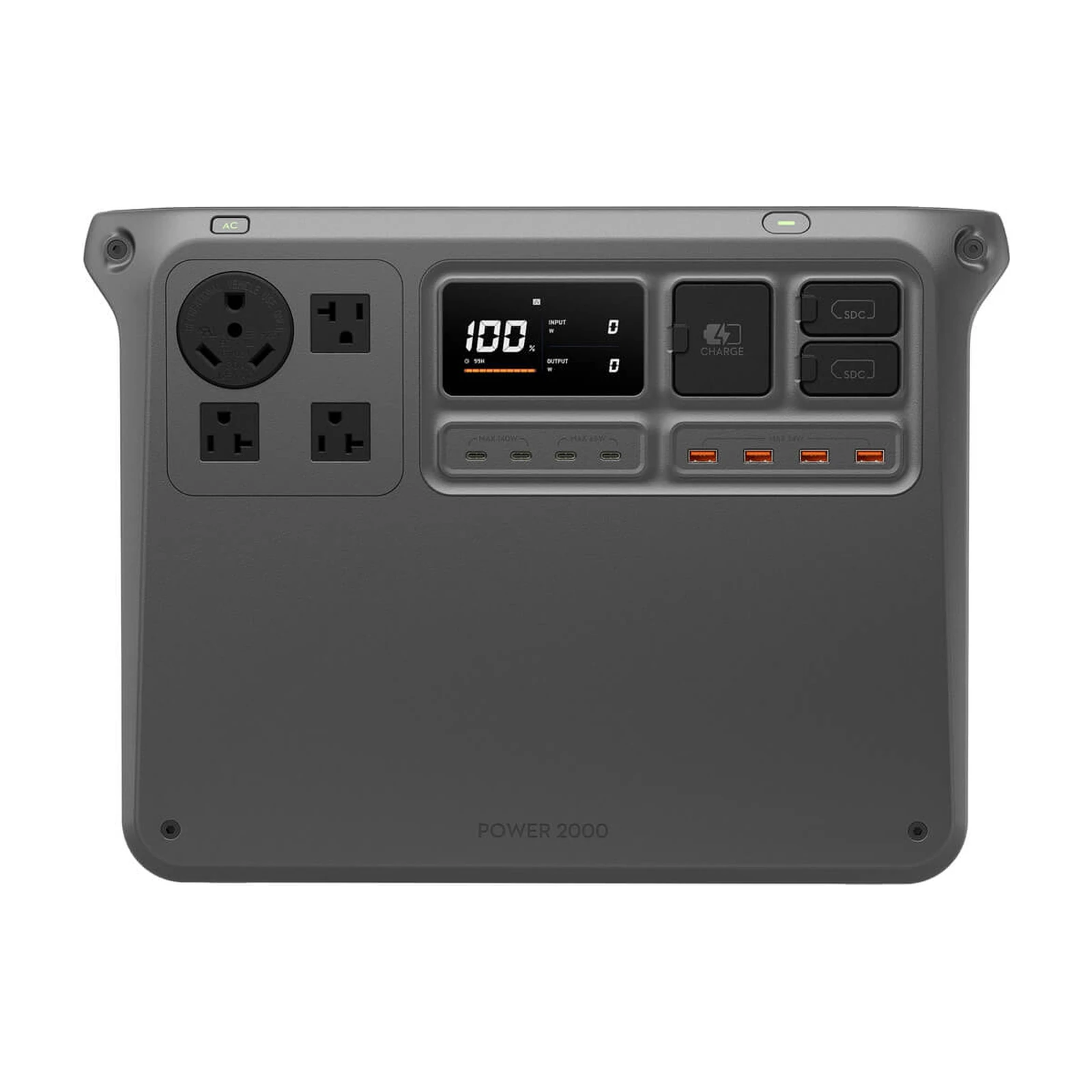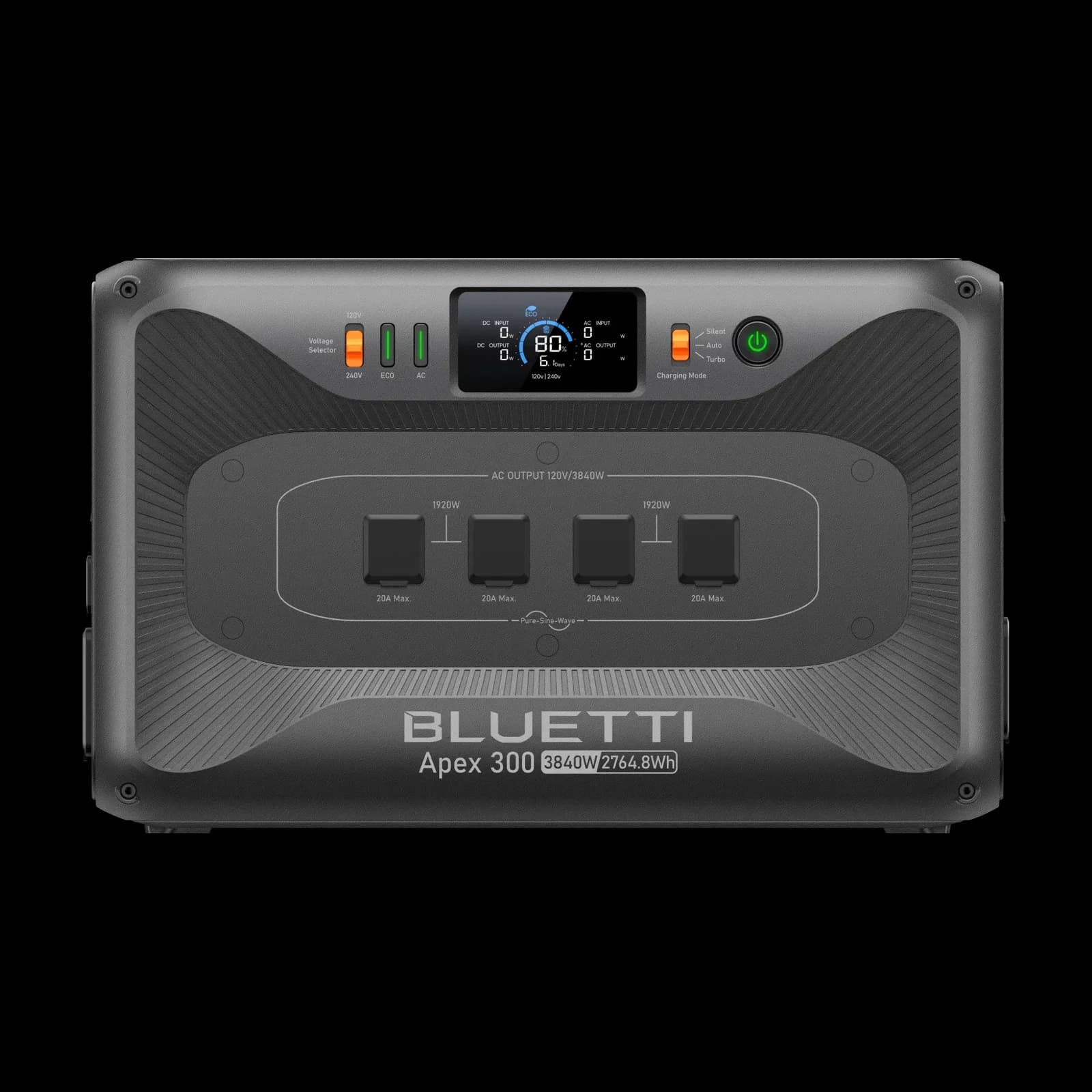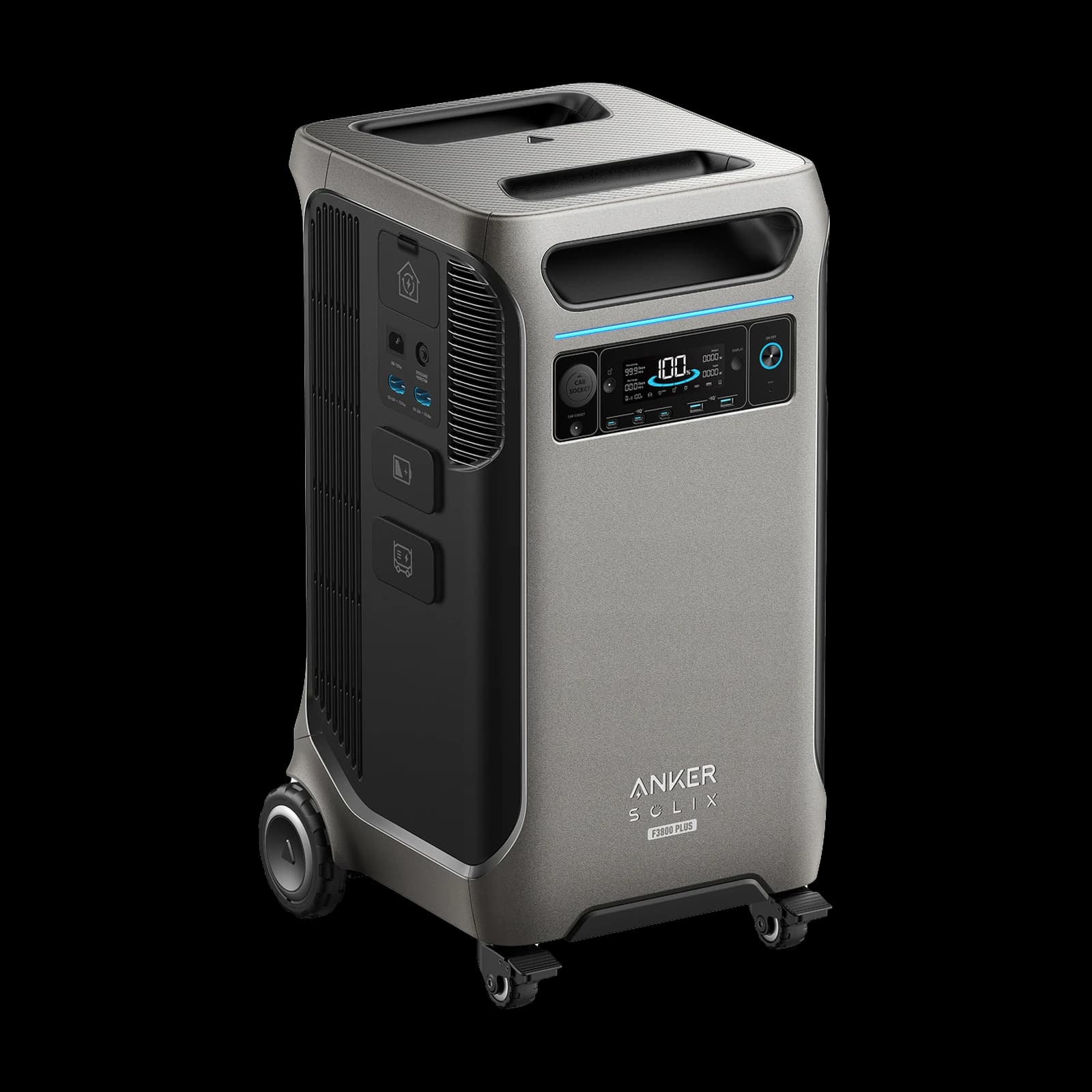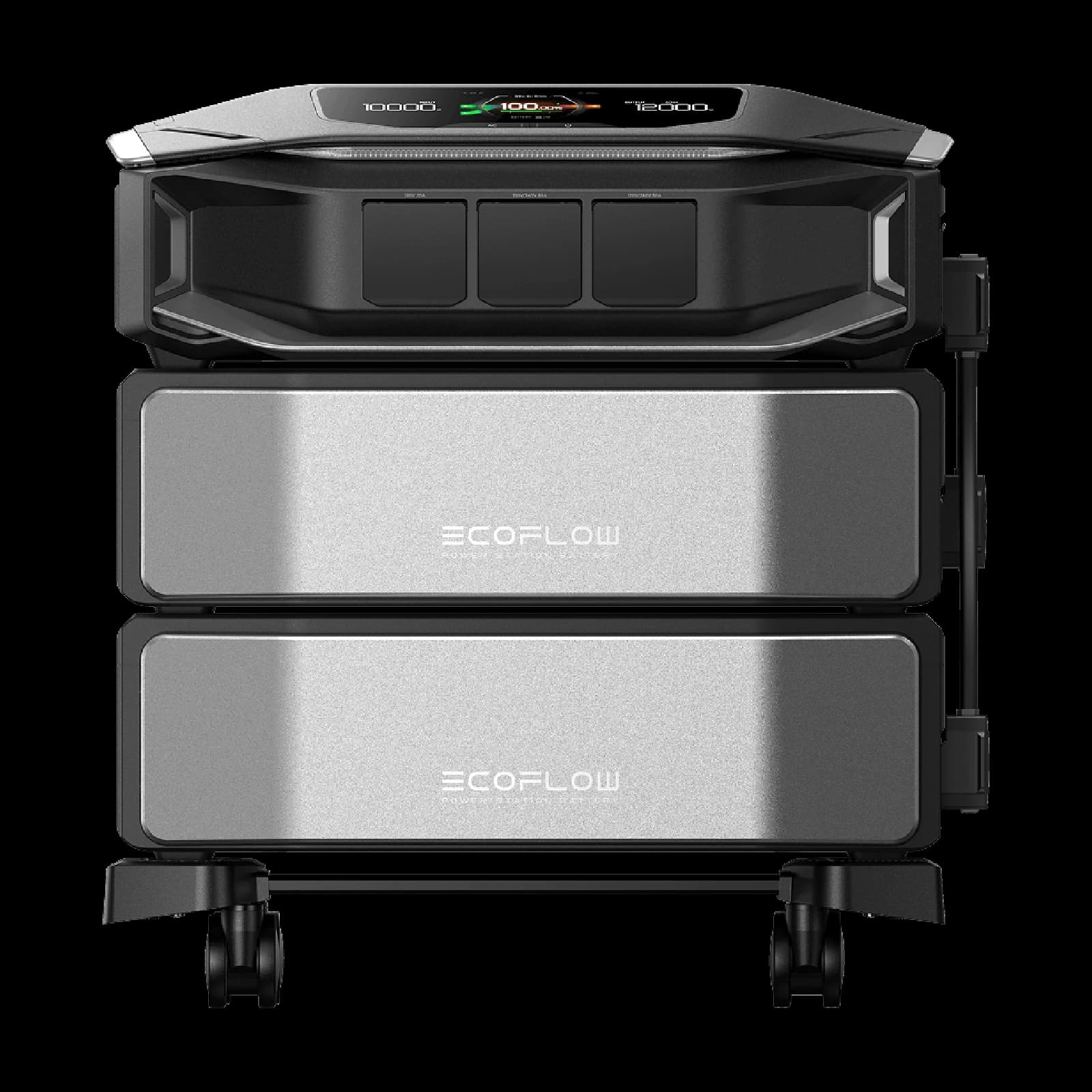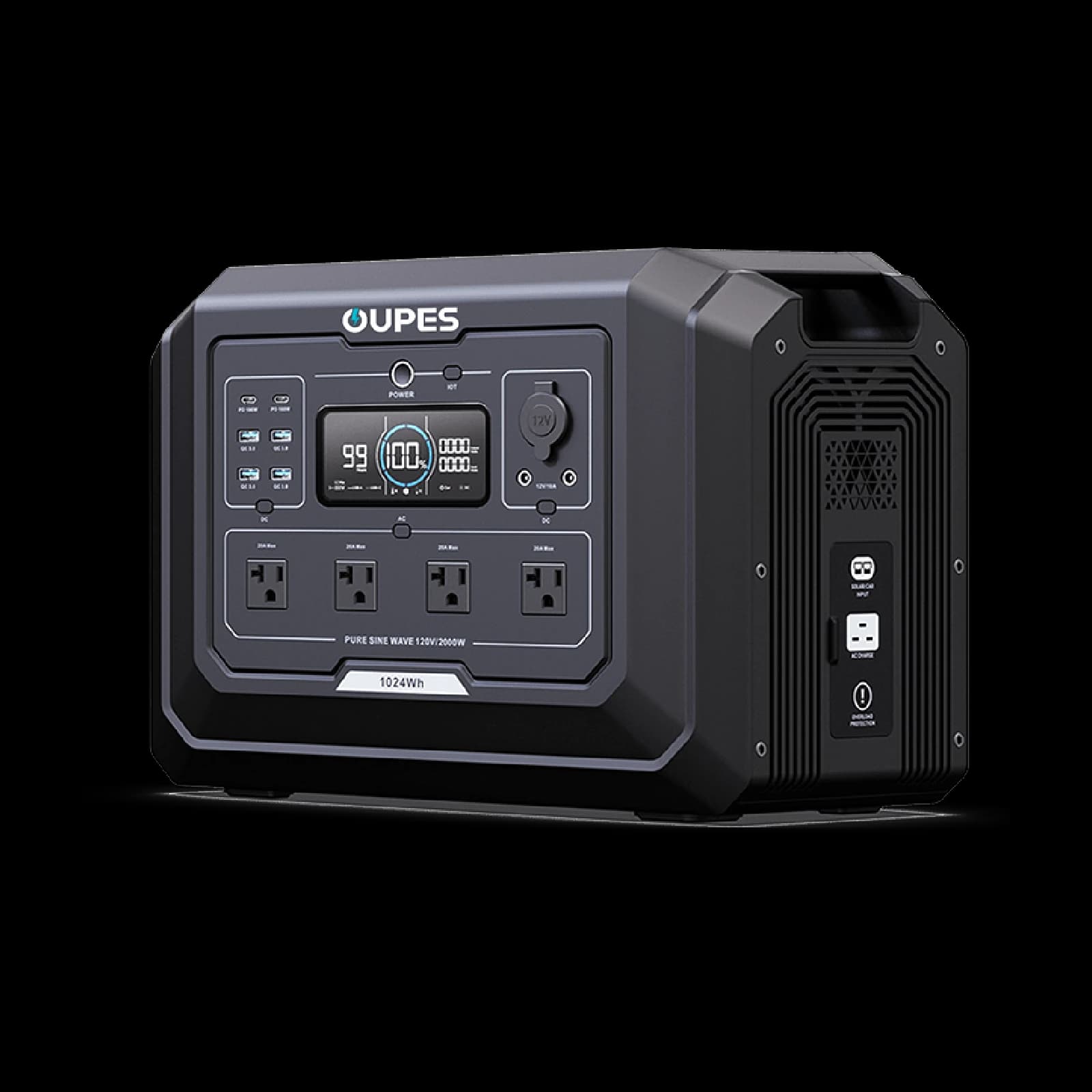
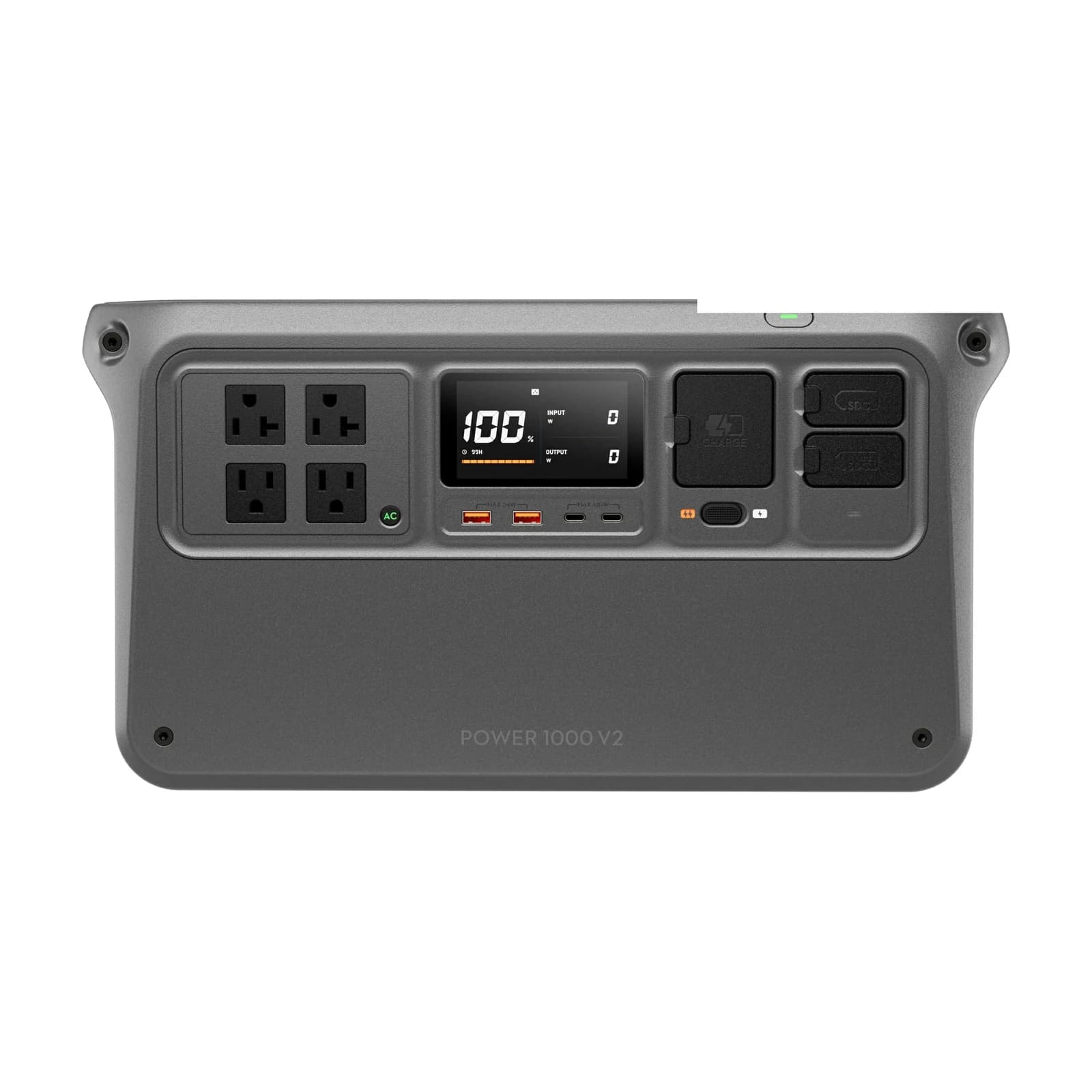
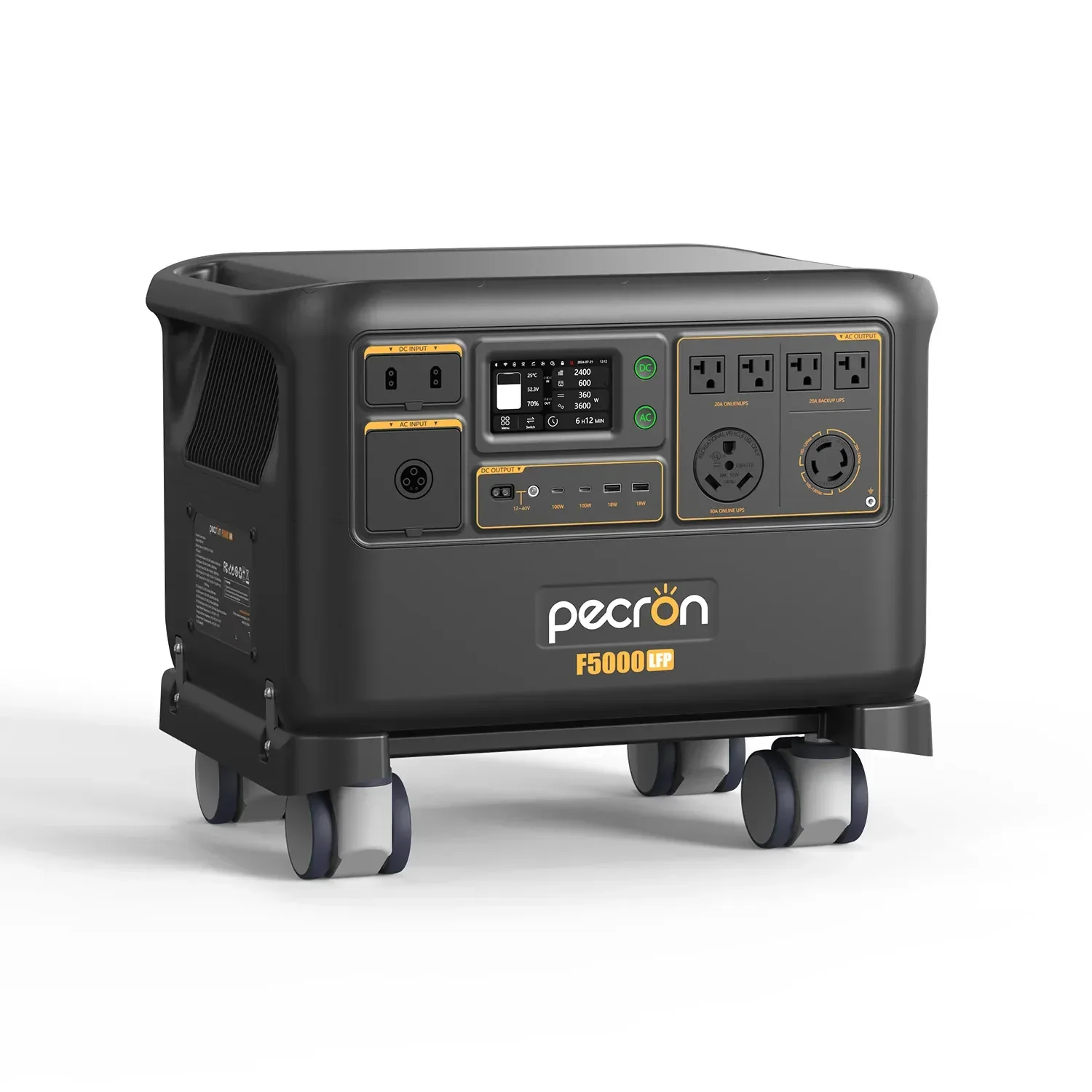
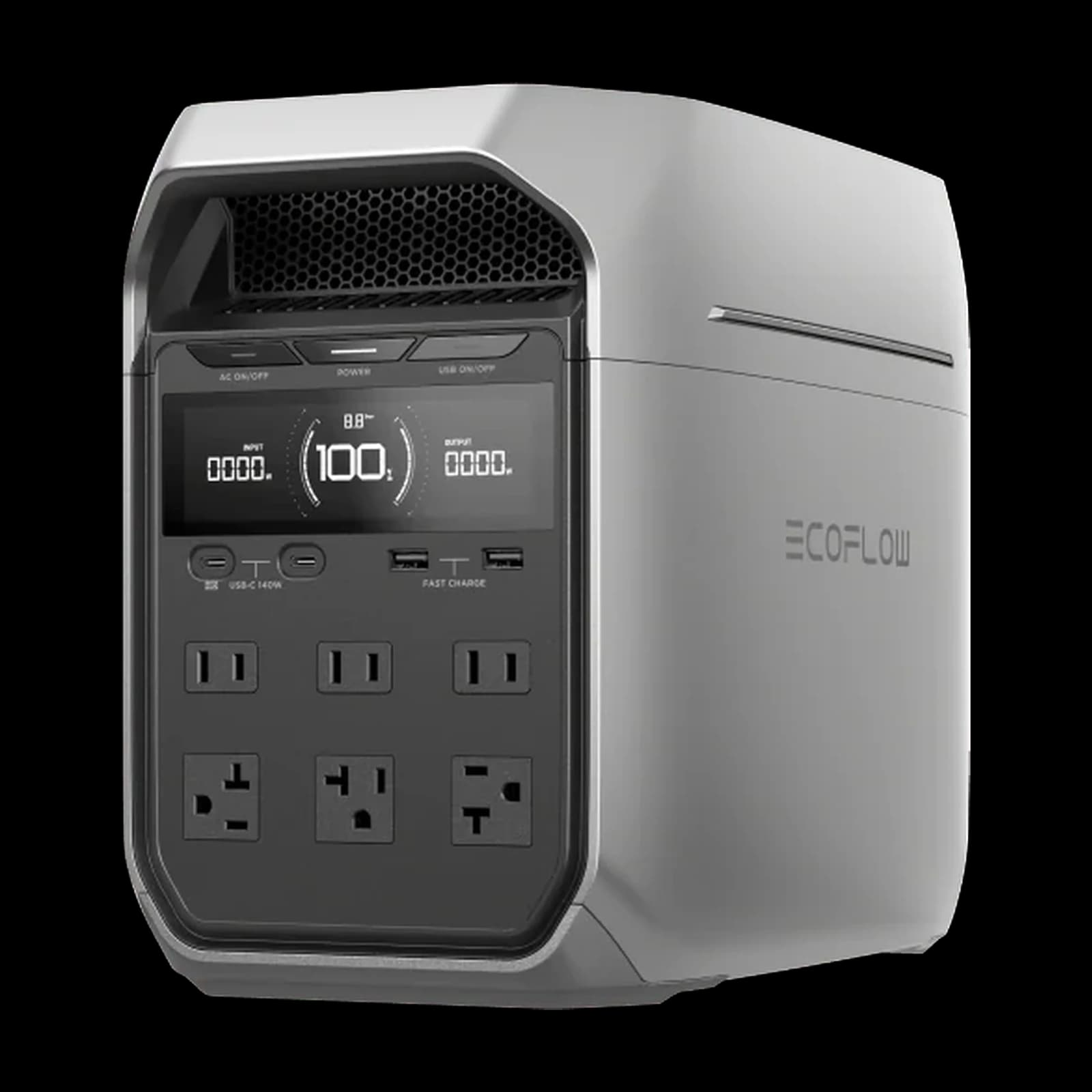
The best portable solar generators of 2026 — "solar generator" is how these are sold, and the hardware is a power station with a sourced solar input rating. A rating alone proves nothing: a 400 W ceiling is a refill on a 500 Wh pack and a slow top-up on a 2 kWh one. So every unit here clears one test — at its own rated input, one modelled solar day harvests at least its full usable capacity — and they are ordered by how far past that line they get.
Solar input capability is what separates a battery you refill from the wall from one that sustains itself away from it, and the difference matters most exactly when the grid is gone. Every station here publishes a rated input, and the range across the list spans two orders of magnitude — from a single folding panel to arrays that need a roof.
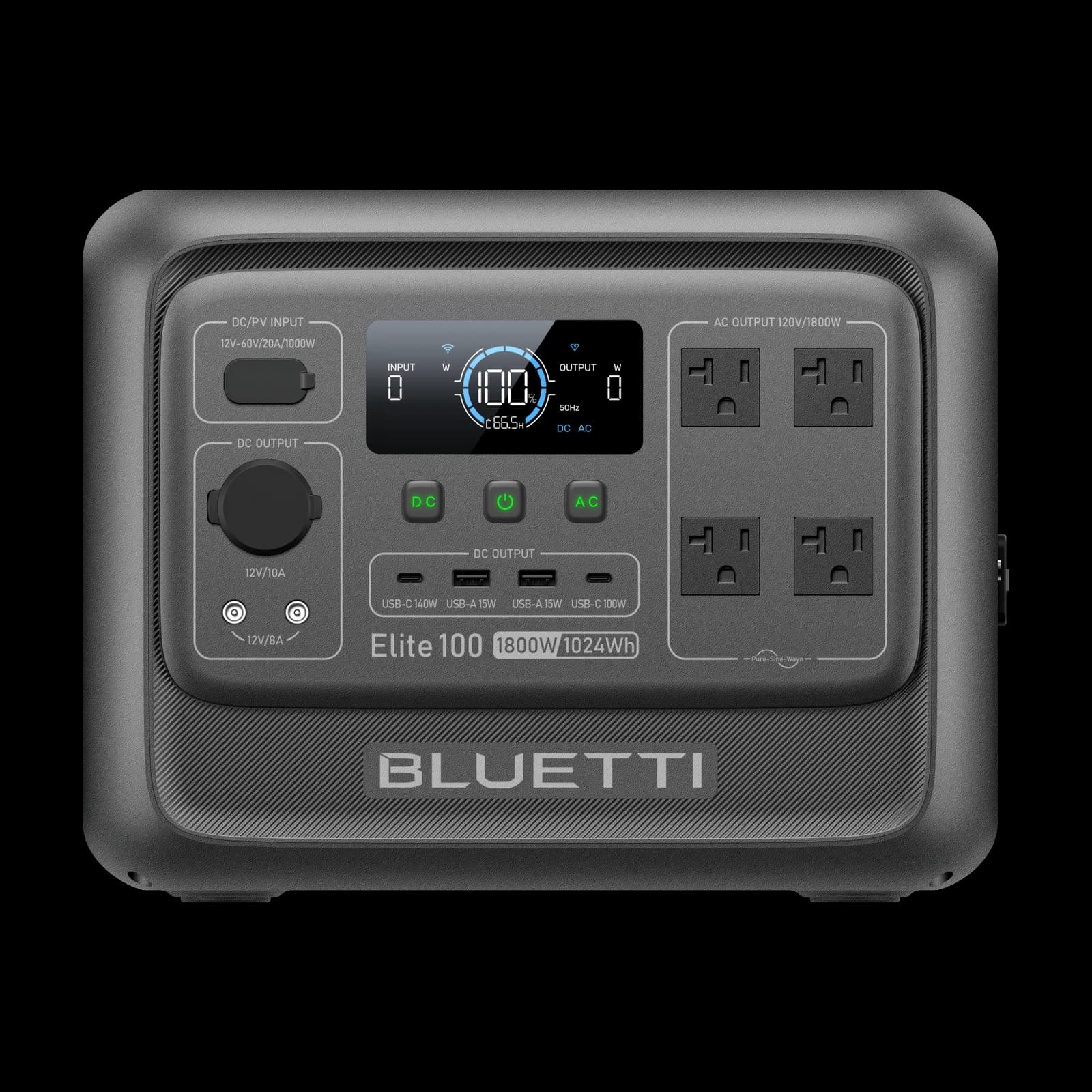
Where buyers get this ranking wrong
Reading maximum input as charging speed. The ceiling is what the station will accept, not what a panel will deliver, and the two are rarely within half of each other in real conditions. A high ceiling on a large battery can still mean a slower percentage-per-hour recharge than a modest ceiling on a small one, which is the comparison that actually answers how long until it is full.
What this ranking cannot see
We source what a station accepts, not what it harvests. Panel efficiency, tilt, cloud cover, temperature and controller behaviour all sit between the rating and the energy that arrives, and none of them are properties of the station we can publish. Treat the input figure as a hardware limit rather than a forecast.
What the self-refill number means
01It is the station's rated input ceiling multiplied by our published day (4 peak-sun hours × the catalog derate), divided by its own battery-side usable capacity.
02A reading of 1.00 means one good day of sun, into a full array, returns exactly one full battery. Below 1.00 the unit cannot catch up with itself, which is why those models are not on this page.
03It assumes you own enough panel to reach the ceiling. Nothing here is a forecast: your latitude, tilt, cloud cover and panel temperature all take a share before any of this arrives.
How this list works
01Eligibility is the self-refill test: rated solar input × one modelled solar day must be at least the unit's own battery-side usable capacity. A unit with no published solar spec is excluded rather than assumed to accept one.
02Order is the same number, largest first — so a compact unit with a modest input can and does outrank a home-backup system with ten times the ceiling, because it is the ratio that decides whether you wake up full.
03What this turns away: roughly a fifth of the catalogue, and pointedly not the small end of it. Several 2–5 kWh systems publish four-figure input ratings that still cannot fill their own pack in a day.
04This is not the BatteryRank composite. A station can lead here and sit mid-table overall, which is the honest answer to a solar question rather than the overall answer wearing a solar title.
What this rule turns away
56 of 80 tracked stations meet this list's eligibility rule, and the 10 highest-scoring of them are ranked above. The highest-scoring stations the rule excludes are Jackery HomePower 3600 Plus, EcoFlow DELTA 3 Max and Anker SOLIX C300. They rank well elsewhere on the site; they do not answer this question.
Output and Durability carry it; Portability is the drag.
POWER71
TRUST68
CHARGINGN/A
LIVABILITY38
Frequently asked
What is the best power station for solar charging?
The unit at the top is the one whose rated input goes furthest past refilling its own battery in a single modelled day of sun. That is a different question from which station is best overall, and this page deliberately answers the solar one.
Why is a big home-backup system not at the top?
Because the battery grew faster than the input did. A 3 kWh pack behind a 1 kW ceiling harvests less than its own capacity in a day, so it never catches up on solar alone — the input number looks impressive and the ratio is what you live with.
How much solar input do I actually need?
Enough to reach the ceiling this ranking assumes, which is more panel than most bundles include. Sun angle, cloud cover and conversion losses all cut into real harvest; our sizing tool estimates the realistic figure rather than the nameplate.
How much solar can I actually expect in a day?
Substantially less than the panel rating multiplied by daylight hours — angle, cloud and conversion loss all take a share. Sizing against your daily consumption with a generous margin is the approach that survives a cloudy week.
Does a higher input rating mean faster solar charging?
Only if you own enough panel to reach it. The ceiling is an upper bound on the hardware; the array in front of it and the weather above that decide what the battery receives.