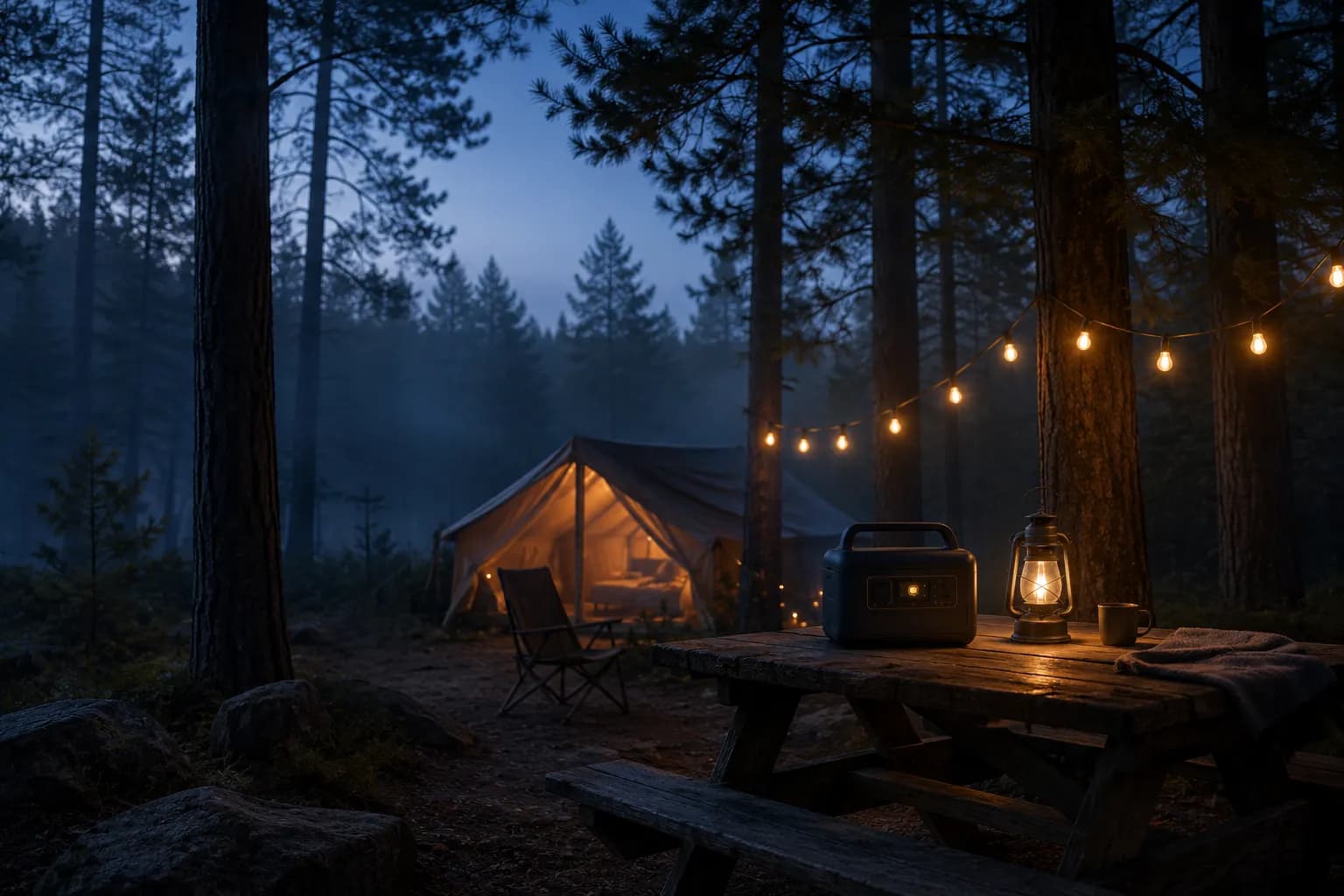
portable power station powering a campsite after sunset
← All rankings
Camping · 2026

Best Portable Power Stations for Camping (2026)

The best portable power stations for camping in 2026 — small and midsize units you can actually take camping, every one with sourced weight and solar input. These are ordered by usable watt-hours per pound, because that is the trade a camper is actually making; our tables also compare total usable energy, solar input, and pack weight so you can choose for tent, car, or basecamp use. Camping listings often call these solar generators, which flatters the panel: at campsite latitudes and angles a bundled panel rarely returns a full charge in one day, so pick on stored watt-hours first and treat solar input as the top-up.

By the BatteryRank Engineering Team

Reading this ranking

What the Camping ranking leaves out

Why this cohort, not the overall top ten

Camping is the one use where mass is a first-class constraint rather than a footnote, so this list gates on carry weight and a solar input before scoring anything. Off-grid means the battery you brought is all there is unless it can refill itself, and a station with no panel input is a one-trip product however well it scores everywhere else.

Where buyers get this ranking wrong

Sizing for the trip instead of the day. Campers work out three nights of consumption, buy for the total, and carry a unit twice the size they needed — when a modest station plus a folding panel covers the same trip because the sun does half the work. The opposite error is expecting a panel to deliver its nameplate, which it will not on a shaded morning.

What this ranking cannot see

The weight cap is a published threshold rather than a measured limit of what a person can carry, and terrain changes the answer more than a kilogram does. Solar figures are rated ceilings under laboratory illumination; real harvest depends on angle, cloud and panel temperature, none of which we can source per station.

Our clear verdict

Anker SOLIX C300 DC is the #1 camping pick

It has the highest price-independent BatteryRank score among the solar-ready models at or below 1,300 Wh and 20 kg. Its overall score balances capacity, output, trust, durability, charging, portability, and quiet.

See the sourced Anker SOLIX C300 DC dossier →
Energy-per-pound winner
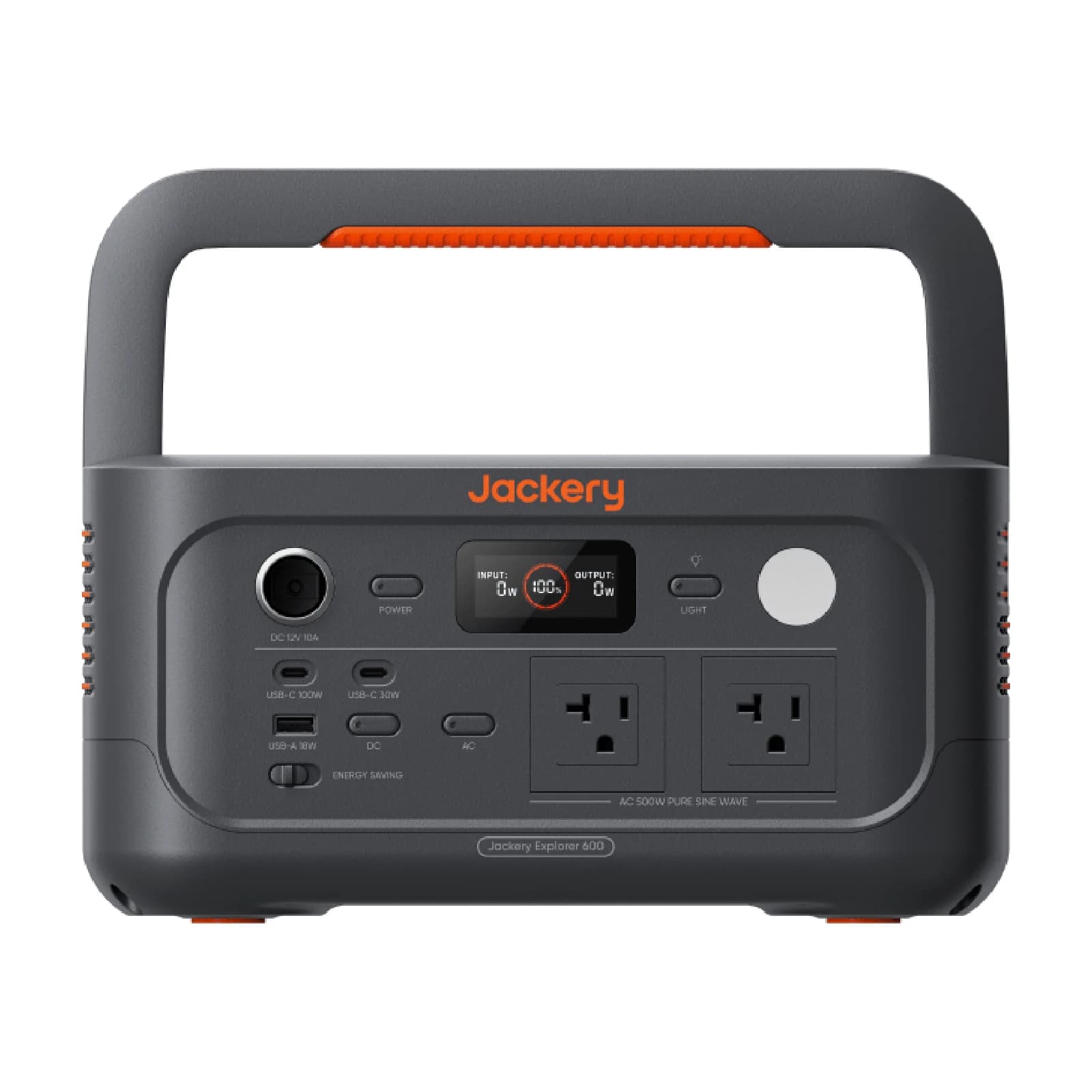
Jackery Explorer 600 v2

45.4 rated Wh/lb — a portability distinction, not a replacement for the overall score.

Choose the right camping size first

The best size depends on your devices, not the longest spec sheet. These bands keep tent charging, a fridge weekend, and a powered basecamp from being treated as the same job.

Under 400 Wh

Light camping

Best for phones, lights, camera batteries, and a fan — no fridge.

Best rated Wh/lb in this class: FlashFish A301

400–799 Wh

Fridge weekend

Best for a 12 V fridge plus small devices for a short trip.

Best rated Wh/lb in this class: Jackery Explorer 600 v2

800–1,300 Wh

Powered basecamp

Best for a fridge, work or connectivity gear, and longer stays.

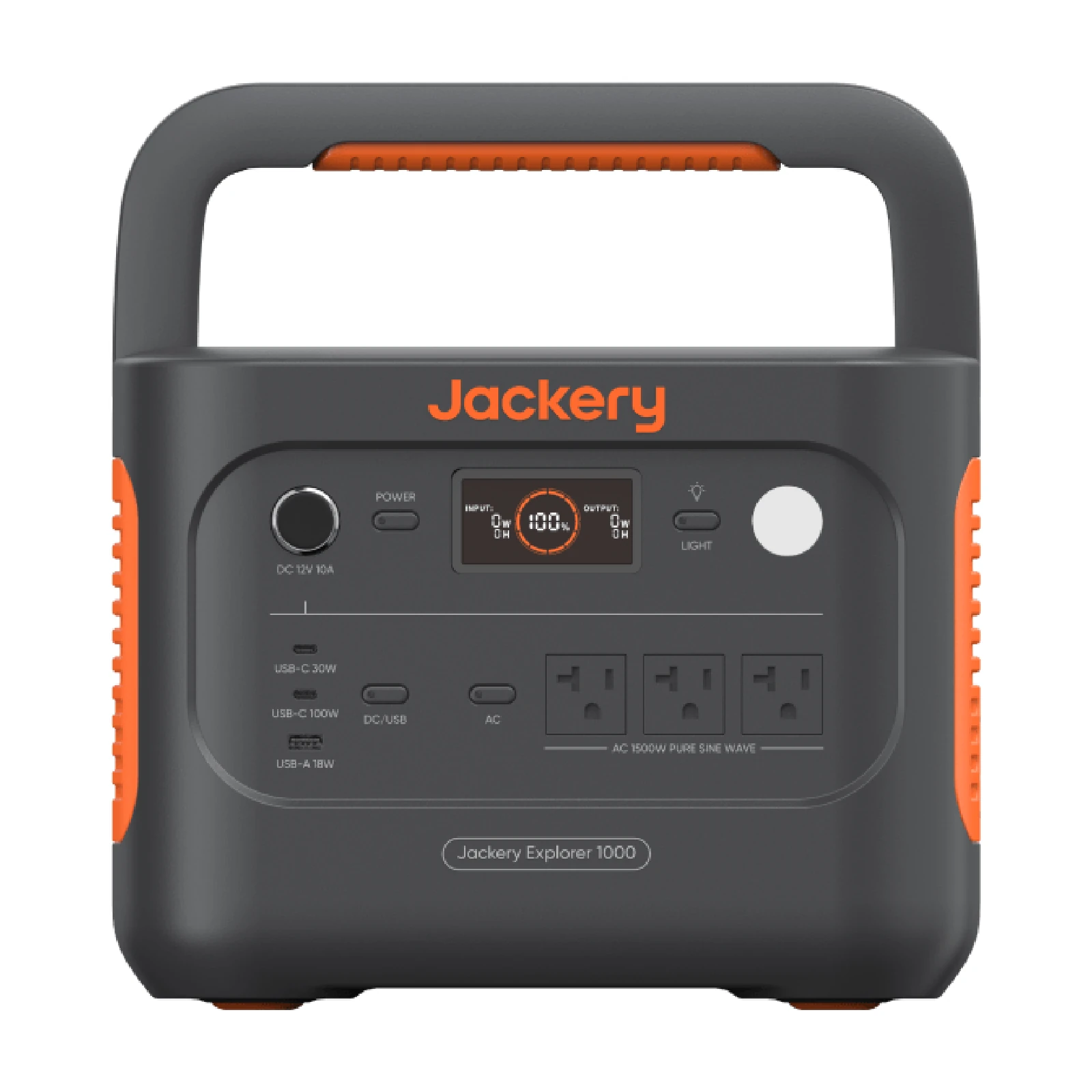
Best rated Wh/lb in this class: Jackery Explorer 1000 v2

Need the number for your own fridge, lights, phones, or Starlink? Read what size power station you need for camping.

Top 10 camping power stations compared

Overall rank follows the BatteryRank composite. The extra columns expose carry weight, energy per pound, usable AC energy, and solar input.

Specs link to each sourced, dated model dossier · every figure carries its source date
Rank & modelCamping classScoreCapacityWeightEnergy / poundSolarWhere to buy
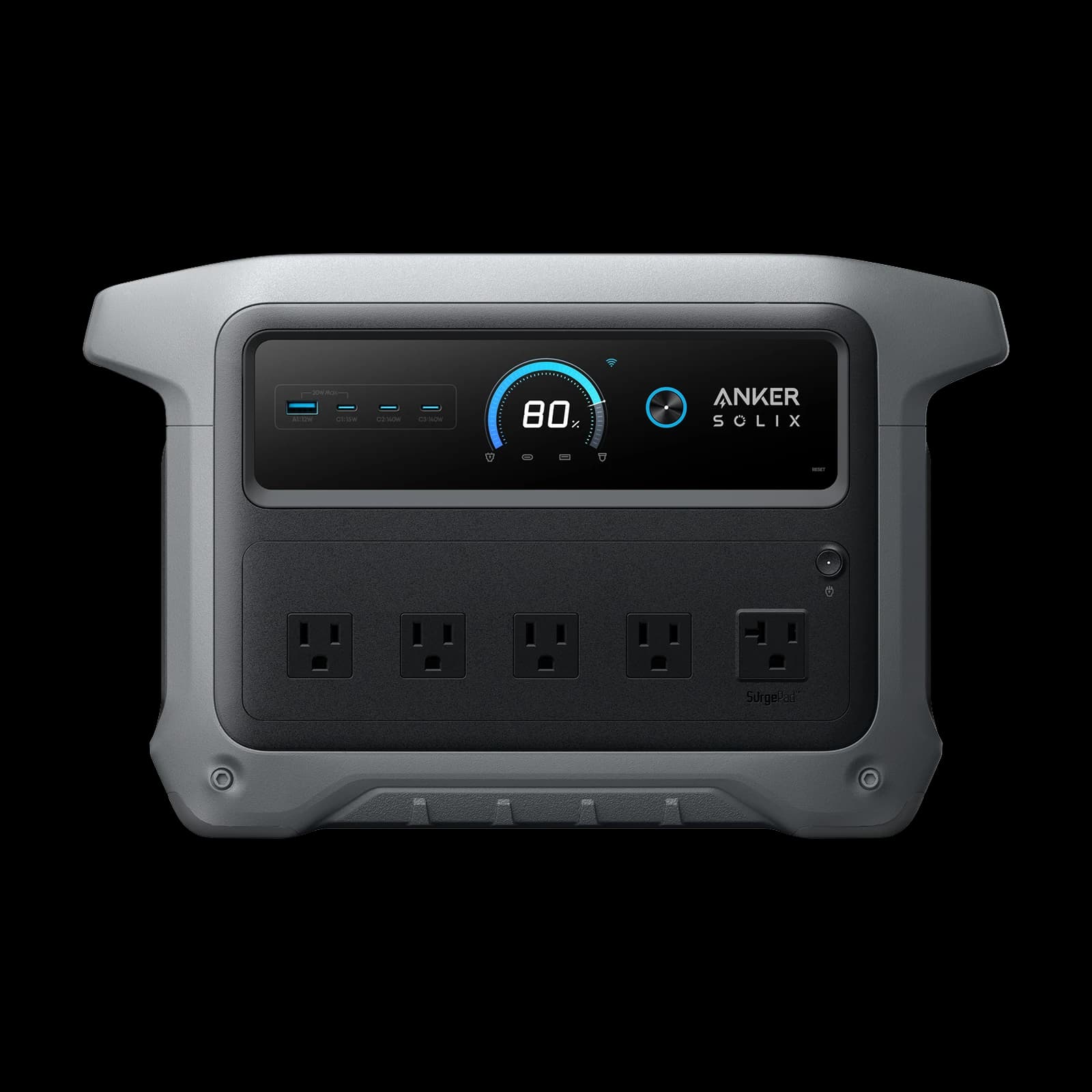
#1Anker SOLIX C300 DC
Light camping
Carry-to-site (≤10 kg)
288 Wh rated
AC-delivered —
2.8 kg
6.2 lb
46.7 rated Wh/lb
AC-delivered Wh/lb
100 W
#2Jackery Explorer 600 v2
Fridge weekend
Carry-to-site (≤10 kg)
52 / 100
640 Wh rated
544 Wh AC (est.)
6.4 kg
14.1 lb
45.4 rated Wh/lb
38.6 AC-delivered Wh/lb (est.)
200 W
#3Jackery Explorer 1000 v2
Powered basecamp
Car-camping carry (>10–15 kg)
50 / 100
1,070 Wh rated
910 Wh AC (est.)
10.8 kg
23.8 lb
44.9 rated Wh/lb
38.2 AC-delivered Wh/lb (est.)
400 W
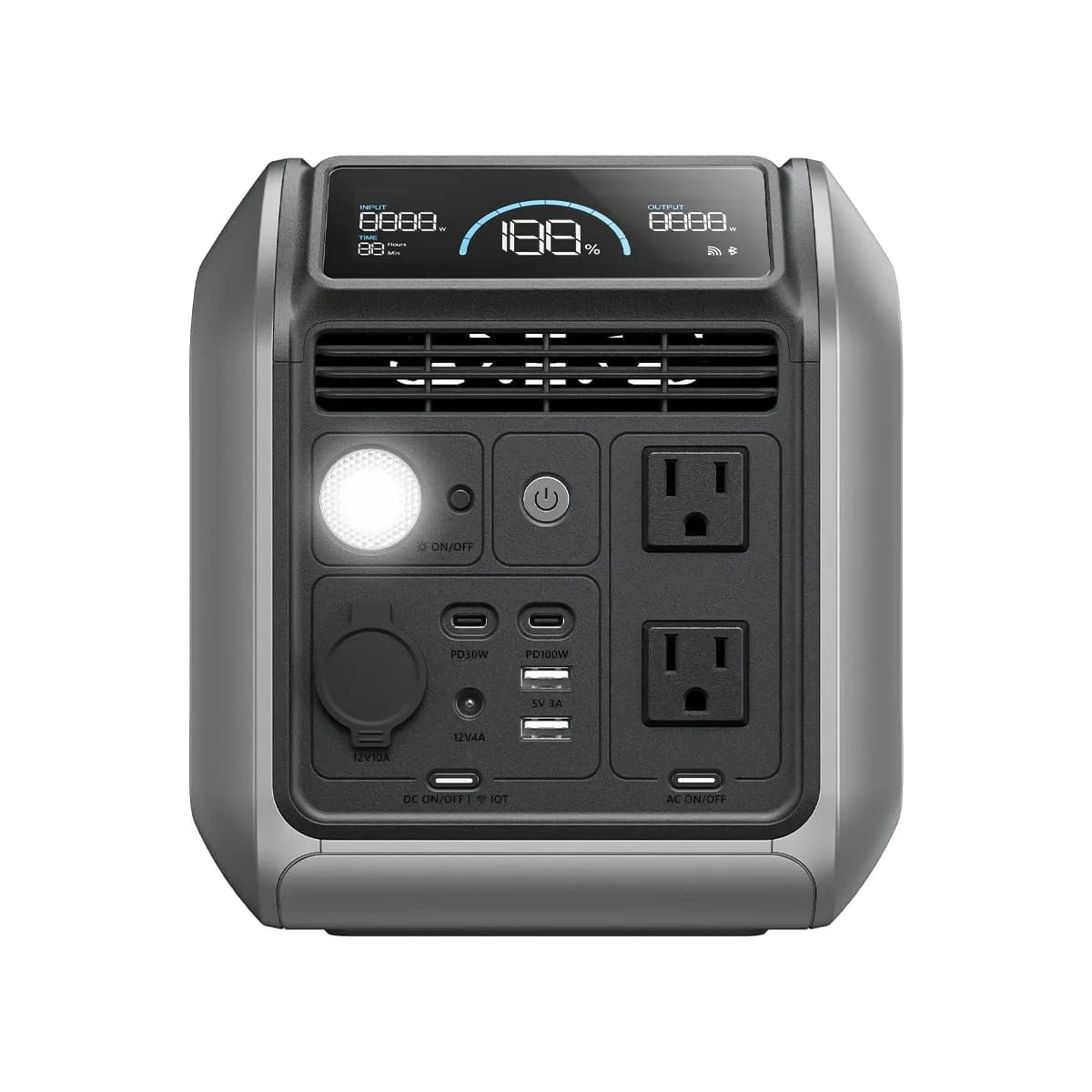
#4Dabbsson 600L
Fridge weekend
Carry-to-site (≤10 kg)
55 / 100
768 Wh rated
653 Wh AC (est.)
8.0 kg
17.6 lb
43.7 rated Wh/lb
37.1 AC-delivered Wh/lb (est.)
200 W
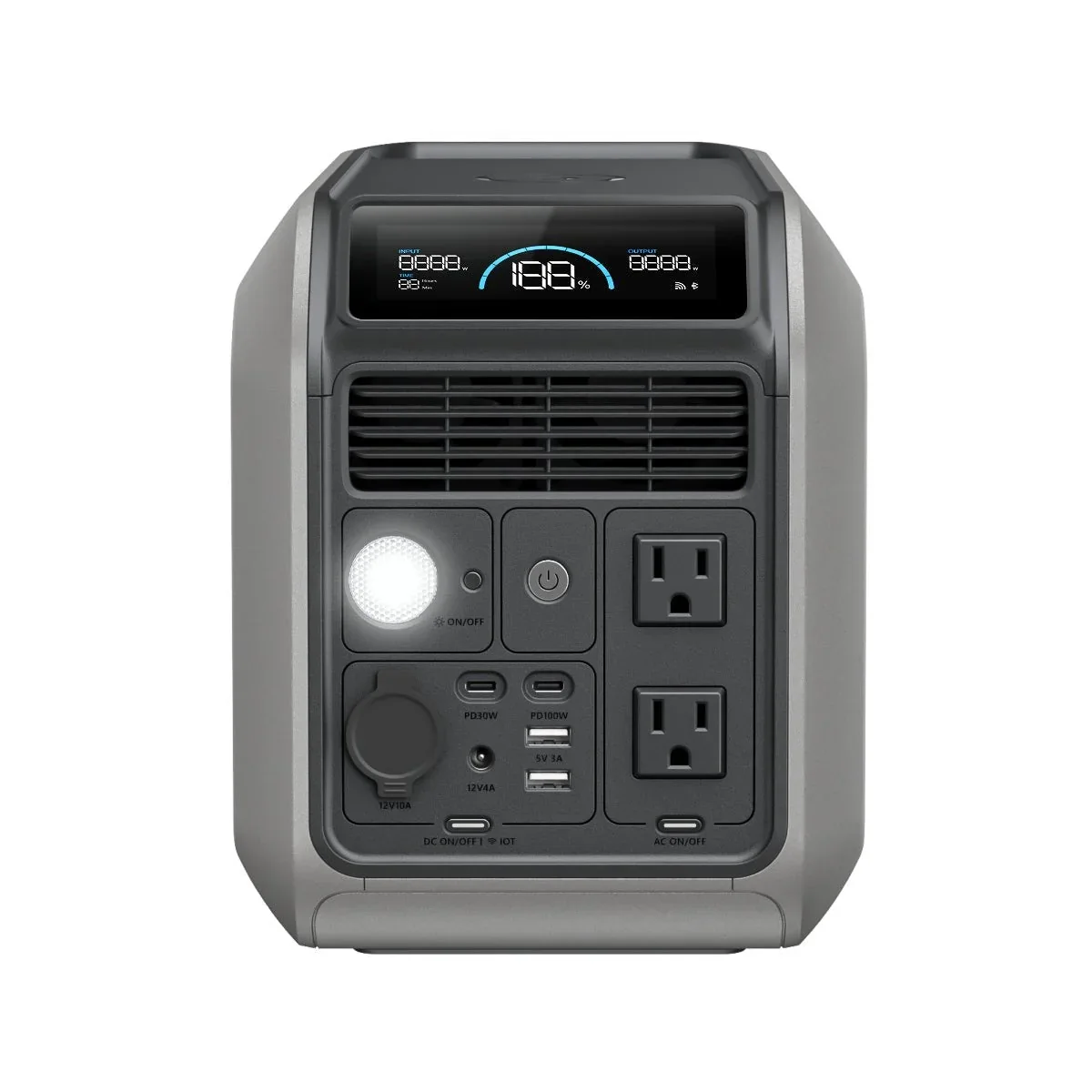
#5Dabbsson 1000L
Powered basecamp
Car-camping carry (>10–15 kg)
47 / 100
1,008 Wh rated
857 Wh AC (est.)
10.6 kg
23.4 lb
43.1 rated Wh/lb
36.7 AC-delivered Wh/lb (est.)
600 W
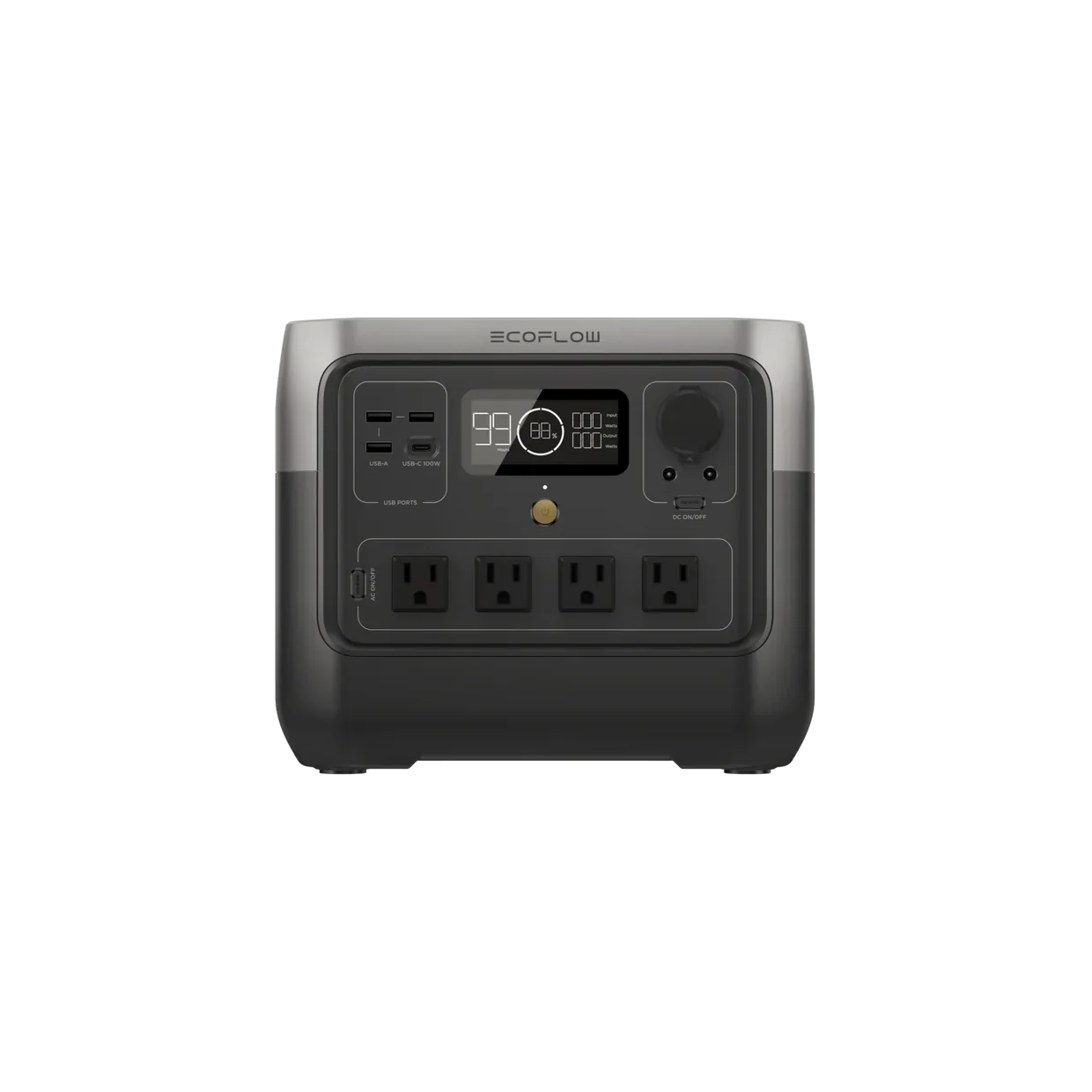
#6EcoFlow RIVER 2 Pro (700)
Fridge weekend
Carry-to-site (≤10 kg)
60 / 100
716 Wh rated
609 Wh AC (est.)
7.8 kg
17.2 lb
41.6 rated Wh/lb
35.4 AC-delivered Wh/lb (est.)
220 W
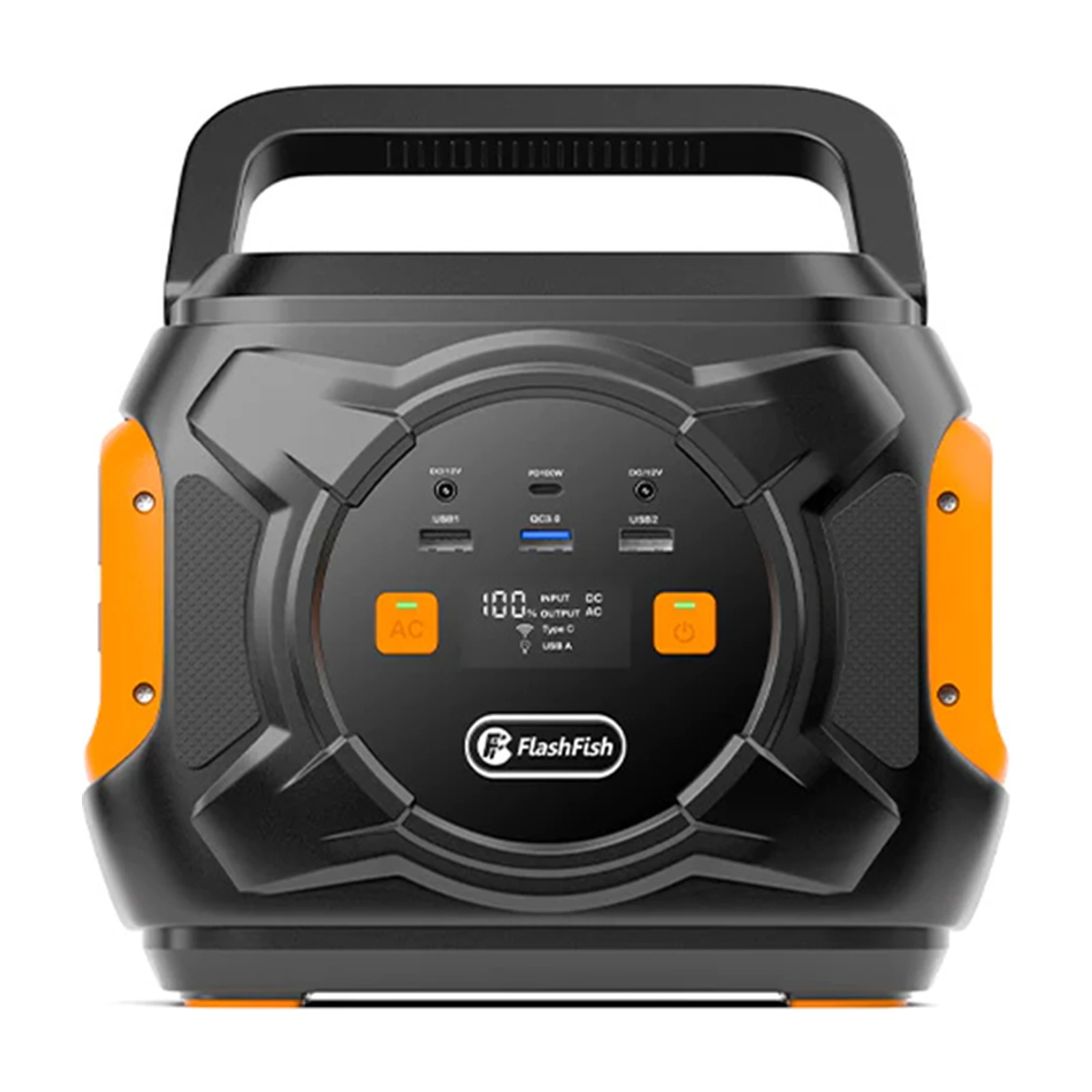
#7FlashFish A301
Light camping
Carry-to-site (≤10 kg)
43 / 100
292 Wh rated
223 Wh AC (est.)
3.2 kg
7.1 lb
41.4 rated Wh/lb
31.6 AC-delivered Wh/lb (est.)
100 W
#8Anker SOLIX C1000 Gen 2
Powered basecamp
Car-camping carry (>10–15 kg)
68 / 100
1,024 Wh rated
870 Wh AC (est.)
11.3 kg
24.9 lb
41.1 rated Wh/lb
34.9 AC-delivered Wh/lb (est.)
600 W
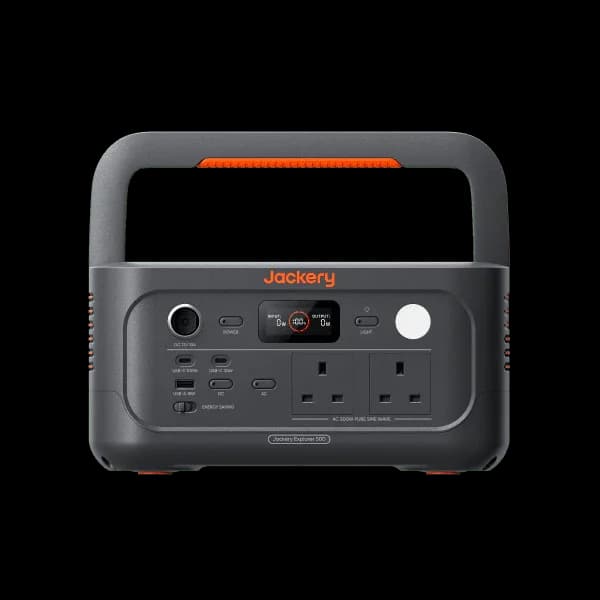
#9Jackery Explorer 500 v2
Fridge weekend
Carry-to-site (≤10 kg)
44 / 100
512 Wh rated
435 Wh AC (est.)
5.7 kg
12.6 lb
40.7 rated Wh/lb
34.6 AC-delivered Wh/lb (est.)
200 W
#10Bluetti Elite 100 v2
Powered basecamp
Car-camping carry (>10–15 kg)
67 / 100
1,024 Wh rated
1,000 Wh AC (measured)
11.5 kg
25.4 lb
40.4 rated Wh/lb
39.4 AC-delivered Wh/lb (measured)
1,000 W

Why Wh/lb does not decide the ranking

Wh/lb answers one useful question: how much energy do you carry for each pound? It does not measure AC output, solar charging, durability, source trust, ports, or noise. BatteryRank uses Wh/lb as a camping comparison and class distinction while the published composite determines the top-10 order.

How we rank camping power stations

  • Eligibility floor: small-or-midsize class (≤1300 Wh rated), a sourced weight of 20 kg or less, and a solar input — camping-carryable and off-grid-rechargeable.
  • Order is battery-side usable watt-hours per pound. Camping is the one use where the thing you are optimising really is energy divided by what you carry, so that is the number we sort on and the number each card shows.
  • This deliberately differs from our overall score, which weighs output, charging, durability and noise alongside capacity. A dense pack that ranks first here can sit mid-table site-wide, and that is the correct answer for a backpack.
  • Usable energy comes from a measurement or the manufacturer figure where one exists, never from the number on the box. A unit with no sourced weight or solar input is left off rather than guessed.
  • How many nights it covers depends on your devices and usage — use the camping sizing guide before choosing a capacity class.

What this rule turns away

38 of 80 tracked stations meet this list's eligibility rule, and the 10 highest-scoring of them are ranked above. The highest-scoring stations the rule excludes are EcoFlow DELTA Pro Ultra X, EcoFlow DELTA Pro 3 and DJI Power 2000. They rank well elsewhere on the site; they do not answer this question.

Useful next steps

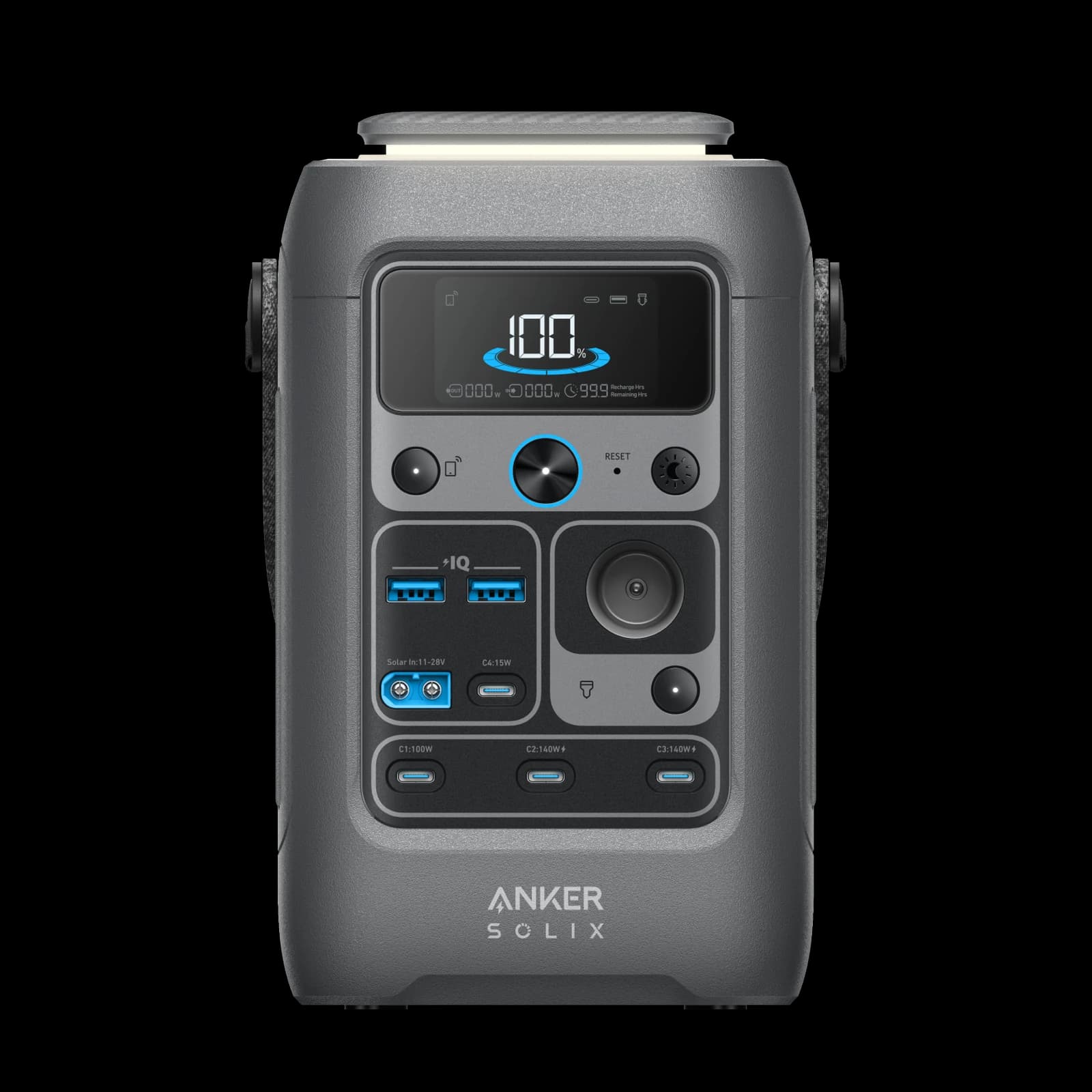
  1. Anker SOLIX C300 DC — front view
    Anker SOLIX
    C300 DC
    BatteryRank scoreDC-only · not comparable
    Usable AC energy
    Not sourced yet
    Continuous AC output
    None — DC-only
    Usable energy per pound46.7 Wh/lb
    POWER31
    TRUSTN/A
    CHARGINGN/A
    LIVABILITY87
  2. Jackery Explorer 600 v2 — front view
    BatteryRank score52 / 100 · Balanced
    Usable AC energy (est.)
    544 Whest.. Show sourceestimated sourcejackery.com2026-07-04
    Continuous AC output
    500 W. Show sourceclaimed sourcejackery.com
    Usable energy per pound45.4 Wh/lb
    Overall score · from the formula

    Durability and Portability carry it; Capacity is the drag.

    POWER32
    TRUST94
    CHARGING51
    LIVABILITY79
  3. Jackery Explorer 1000 v2 — front view
    BatteryRank score50 / 100 · Balanced
    Usable AC energy (est.)
    910 Whest.. Show sourceestimated sourcejackery.com2026-07-04
    Continuous AC output
    1500 W. Show sourceclaimed sourcejackery.com
    Usable energy per pound44.9 Wh/lb
    Overall score · from the formula

    Trust and Portability carry it; Charging is the drag.

    POWER45
    TRUST65
    CHARGING13
    LIVABILITY91
  4. Dabbsson 600L — front view
    Dabbsson
    600L
    BatteryRank score55 / 100 · Balanced
    Usable AC energy (est.)
    653 Whest.. Show sourceestimated sourcedabbsson.com2026-07-27
    Continuous AC output
    600 W. Show sourceclaimed sourcedabbsson.com
    Usable energy per pound43.7 Wh/lb
    Overall score · from the formula

    Durability and Output carry it; Charging is the drag.

    POWER53
    TRUST83
    CHARGING34
    LIVABILITY53
  5. Dabbsson 1000L — front view
    Dabbsson
    1000L
    BatteryRank score47 / 100 · Limited
    Usable AC energy (est.)
    857 Whest.. Show sourceestimated sourcecdn.shopify.com2026-07-27
    Continuous AC output
    1200 W. Show sourceclaimed sourcecdn.shopify.com
    Usable energy per pound43.1 Wh/lb
    Overall score · from the formula

    Durability and Portability carry it; Capacity is the drag.

    POWER23
    TRUST88
    CHARGING47
    LIVABILITY94
  6. EcoFlow RIVER 2 Pro (700) — front view
    BatteryRank score60 / 100 · Balanced
    Usable AC energy (est.)
    609 Whest.. Show sourceestimated sourceus.ecoflow.com2026-07-27
    Continuous AC output
    800 W. Show sourceclaimed sourceus.ecoflow.com
    Usable energy per pound41.6 Wh/lb
    Overall score · from the formula

    Output and Charging carry it; Capacity is the drag.

    POWER55
    TRUST64
    CHARGING74
    LIVABILITY50
  7. FlashFish A301 — front view
    FlashFish
    A301
    BatteryRank score43 / 100 · Limited
    Usable AC energy (est.)
    223 Whest.. Show sourceestimated sourceflashfishoutdoor.com2026-07-04
    Continuous AC output
    320 W. Show sourceclaimed sourceflashfishoutdoor.com
    Usable energy per pound41.4 Wh/lb
    Overall score · from the formula

    Output and Portability carry it; Charging is the drag.

    POWER57
    TRUST18
    CHARGING17
    LIVABILITY70
  8. Anker SOLIX C1000 Gen 2 — front view
    Anker SOLIX
    C1000 Gen 2
    BatteryRank score68 / 100 · Balanced
    Usable AC energy (est.)
    870 Whest.. Show sourceestimated sourceankersolix.com2026-07-04
    Continuous AC output
    2000 W. Show sourceclaimed sourceankersolix.com
    Usable energy per pound41.1 Wh/lb
    Overall score · from the formula

    Charging and Durability carry it; Capacity is the drag.

    POWER49
    TRUST79
    CHARGING84
    LIVABILITY84
  9. Jackery Explorer 500 v2 — front view
    BatteryRank score44 / 100 · Limited
    Usable AC energy (est.)
    435 Whest.. Show sourceestimated sourcefaq.jackery.com2026-07-27
    Continuous AC output
    500 W. Show sourceclaimed sourcefaq.jackery.com
    Usable energy per pound40.7 Wh/lb
    Overall score · from the formula

    Durability and Portability carry it; Capacity is the drag.

    POWER27
    TRUST75
    CHARGING28
    LIVABILITY82
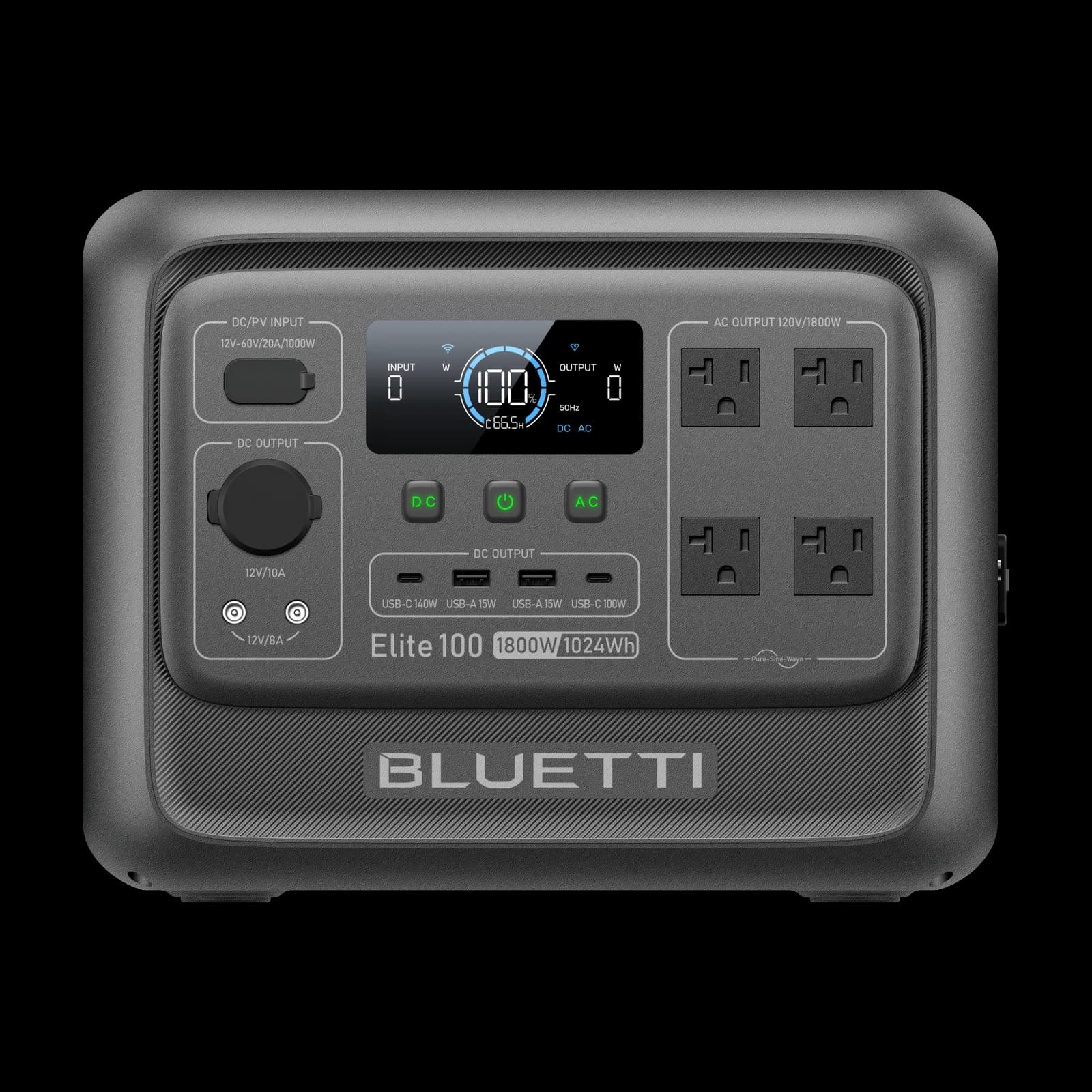
  10. Bluetti Elite 100 v2 — front view
    BatteryRank score67 / 100 · Balanced
    Usable AC energy
    1000 Whverified. Show sourceverified source~1,000 Wh effective (Trusted Reviews)2026-07-04
    Continuous AC output
    1800 W. Show sourceclaimed sourcebluettipower.com
    Usable energy per pound40.4 Wh/lb
    Overall score · from the formula

    Durability and Trust carry it; Capacity is the drag.

    POWER50
    TRUST82
    CHARGING57
    LIVABILITY91

Frequently asked

What size power station do I need for camping?
Under 400 Wh fits lights, phones, cameras, and a fan. The 400–799 Wh band is the short fridge-trip class, but its lower end may need lighter use or recharging. Choose 800–1,300 Wh for a powered basecamp or longer stay. The exact answer depends on device energy per day and trip length, which our camping sizing guide calculates.
Can I recharge a power station with solar while camping?
Yes — every unit on this list has a rated solar input, so a folding panel can top it back up between trips or across a multi-day stay. Realistic solar harvest is well under the panel’s nameplate rating (sun angle, cloud cover, and MPPT losses all cut into it), so plan for less than the max spec.
What does Wh per pound mean for a camping power station?
Watt-hours per pound divides stored energy by product weight. A higher number means more energy for each pound you carry. We show both rated Wh/lb and AC-delivered Wh/lb, but it is a secondary portability metric because output, charging, durability, trust, and noise also matter.
How heavy is too heavy for a camping power station?
We label up to 10 kg (22 lb) as carry-to-site, over 10–15 kg as a car-camping carry, and over 15–20 kg as a two-hand or basecamp unit. This ranking excludes models above 20 kg; your own lifting comfort is the final limit.
Is the number-one camping power station also the lightest?
Not necessarily. Number one is the highest BatteryRank composite among eligible camping models. The lightest unit and the model with the most Wh per pound receive separate distinctions so one narrow metric cannot hide broader tradeoffs.
How much solar do I need to keep a station topped up?
Plan on well under the panel rating — sun angle, cloud and conversion loss all take a share. Sizing the panel against your daily consumption rather than the station capacity is the calculation that actually works.
Is the highest-ranked camping station also the lightest?
Not usually. Order comes from the overall composite within the camping band, so a heavier unit with better output and durability can outrank a featherweight, which is why the lightest model is called out separately.
Ordered by a published data formula · sourced inputs only · commission excluded

Some links on this page are affiliate links — we may earn a commission if you buy through them, at no extra cost to you.