← Compare

Anker SOLIX C300 DC DC-only (no AC inverter) vs EcoFlow RIVER 3 Plus

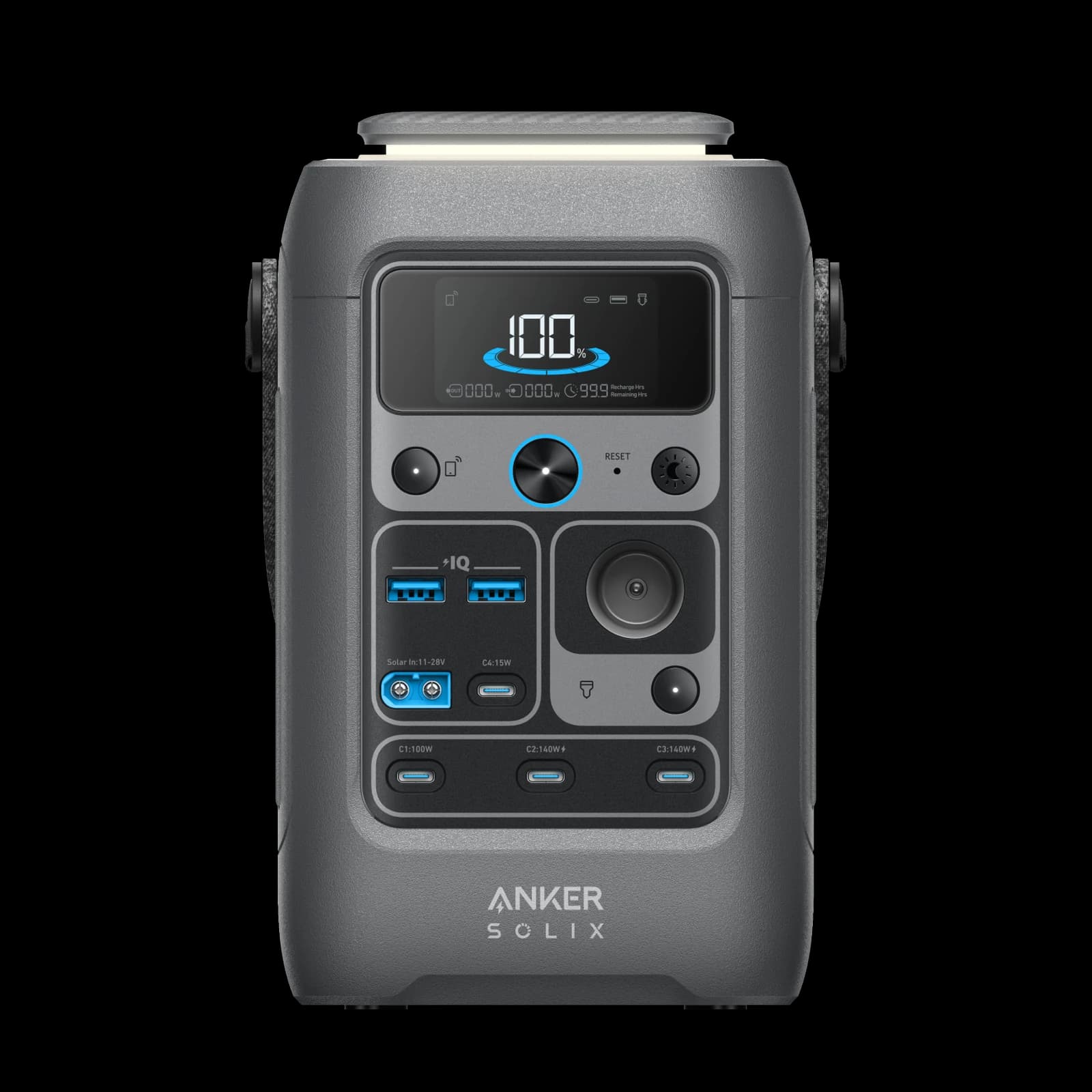
Anker SOLIX C300 DC DC-only (no AC inverter) — front view

Anker SOLIX C300 DC DC-only (no AC inverter)

N/ABatteryRank score
Check price on Amazon
Decision readout
Better station

Compare the sourced facts — a complete score is not available for both stations.
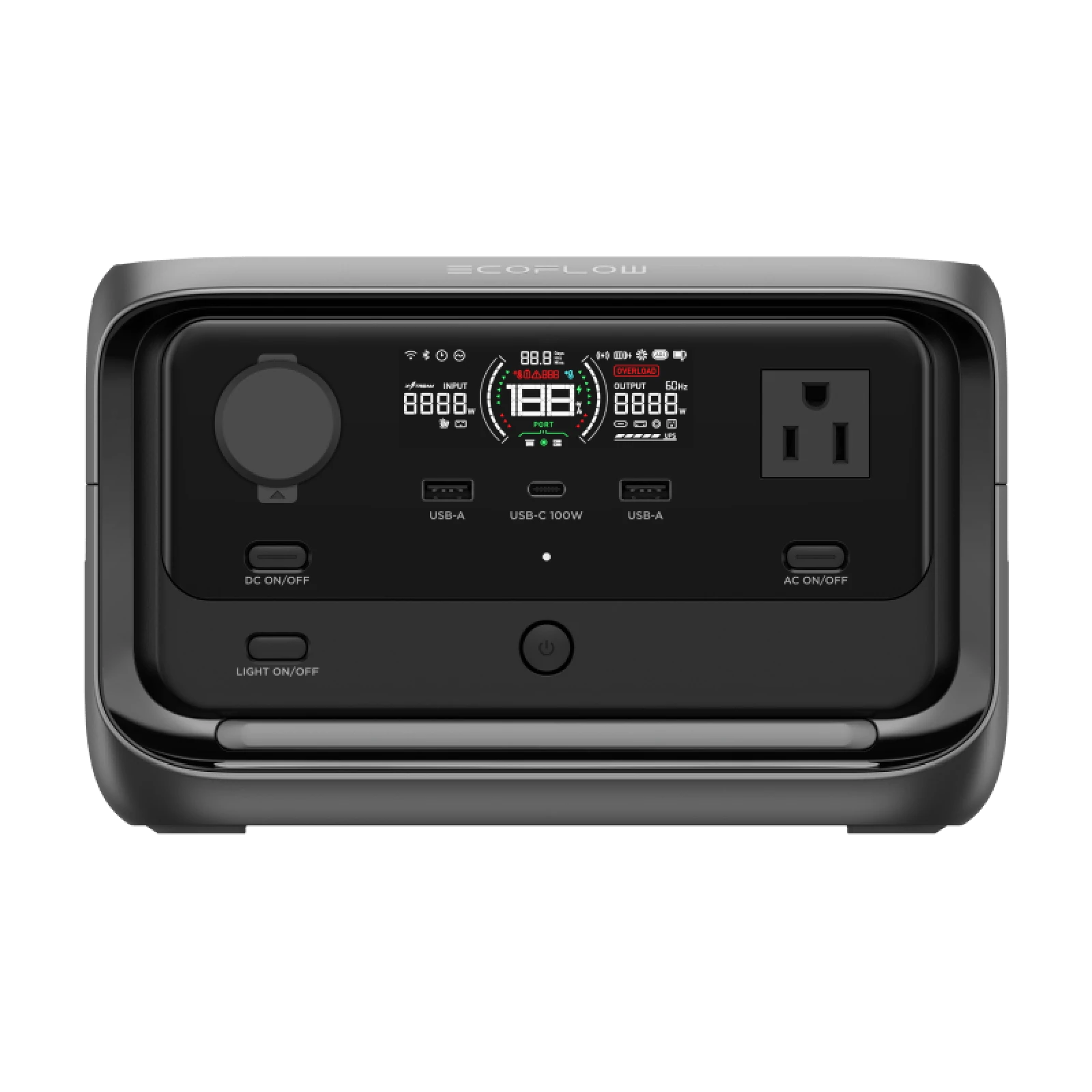
EcoFlow RIVER 3 Plus — front view

EcoFlow RIVER 3 Plus

65BatteryRank score · Balanced
Check price on Amazon
What changes the decision

By the BatteryRank Engineering Team

01 · Score evidence

Score breakdown

N/A
Anker SOLIX C300 DC DC-only (no AC inverter)
Overall
65
EcoFlow RIVER 3 Plus
31
POWER
EcoFlow RIVER 3 Plus +36
67

Battery-side usable capacity and how much you can run at once.

N/A
TRUST
Incomplete data
70

Owner reputation, safety record, warranty, and build durability.

N/A
CHARGING
Incomplete data
77

Wall and solar recharge speed.

87
LIVABILITY
Anker SOLIX C300 DC DC-only (no AC inverter) +73
14

Lightweight, portable, and quiet enough to live with.

Computed from sourced data with a published, price-independent formula. Scores are relative to each model's size class.

02 · Usable energy

Capacity truth

The watt-hours on the box aren't what reaches your devices. Same scale, both units.

Anker SOLIX C300 DC DC-only (no AC inverter)
Rated (on the box)
288 Wh. Show sourceclaimed sourceankersolix.com ↗2026-07-04

The marketing number — total cell capacity.

EcoFlow RIVER 3 Plus
Rated (on the box)
286 Wh. Show sourceclaimed sourceus.ecoflow.com ↗2026-07-04

The marketing number — total cell capacity.

AC delivered (est.)
243 Wh. Show sourceestimated sourceestimate = battery-side usable capacity × 85% inverter efficiency

What reaches an AC outlet — about 15% is lost turning battery power into household AC. How we estimate.

04 · Sourced hardware

Key specs, side by side

Key sourced specifications for Anker SOLIX C300 DC DC-only (no AC inverter) and EcoFlow RIVER 3 Plus
SpecAnker SOLIX C300 DC DC-only (no AC inverter)EcoFlow RIVER 3 Plus
AC-delivered capacity—
243 Whest.. Show sourceestimated sourceus.ecoflow.com ↗2026-07-04
Continuous power output—
600 W. Show sourceclaimed sourceus.ecoflow.com ↗2026-07-04
Surge power output—
1,200 W. Show sourceclaimed sourceus.ecoflow.com ↗2026-07-04
Max solar input
100 W. Show sourceclaimed sourceankersolix.com ↗2026-07-04
220 W. Show sourceclaimed sourceus.ecoflow.com ↗2026-07-04
AC charge time (0–100%)—
60 min. Show sourceclaimed sourceus.ecoflow.com ↗2026-07-04
Weight
2.8 kg. Show sourceclaimed sourceankersolix.com ↗2026-07-04
4.72 kg. Show sourceclaimed sourceus.ecoflow.com ↗2026-07-04
Rated cycle life—
3,000 cycles. Show sourceclaimed sourceus.ecoflow.com ↗2026-07-04

Manufacturer figures unless marked verified or est. Tap or focus a figure to view its source. The better reading in each row is highlighted — lower wins for weight and recharge time.

Where these rank

Where to buy

Affiliate links: we may earn a commission if you buy, at no extra cost to you. Commission never affects our rankings.

Quick answers

Is the Anker SOLIX C300 DC DC-only (no AC inverter) better than the EcoFlow RIVER 3 Plus?
Compare the sourced facts — a complete score is not available for both stations.
Which is lighter, the Anker SOLIX C300 DC DC-only (no AC inverter) or EcoFlow RIVER 3 Plus?
The Anker SOLIX C300 DC DC-only (no AC inverter), by 1.9 kg (2.8 kg versus 4.7 kg). Both weights are manufacturer figures for the bare unit; cables and a solar panel add to whatever you actually carry.
Which model should I buy for my use case?
On the sub-scores that describe each use case: the EcoFlow RIVER 3 Plus for home backup; the Anker SOLIX C300 DC DC-only (no AC inverter) for camping & rv. They split, so the honest answer depends on which of those you are actually buying for.

Keep deciding

Scores computed from sourced data · prices timestamped · tap or focus a figure to view its source

Some links on this page are affiliate links — we may earn a commission if you buy through them, at no extra cost to you.