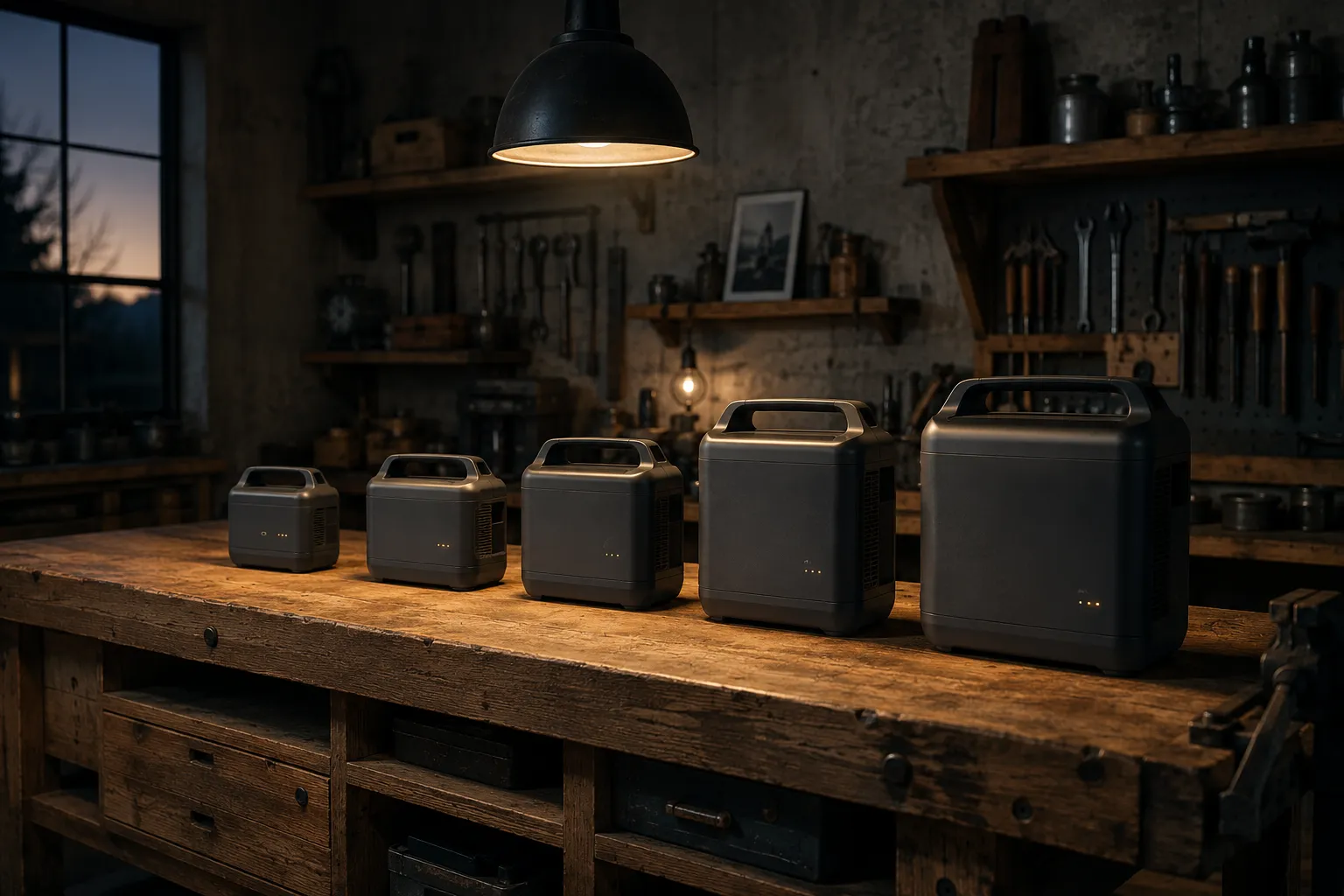
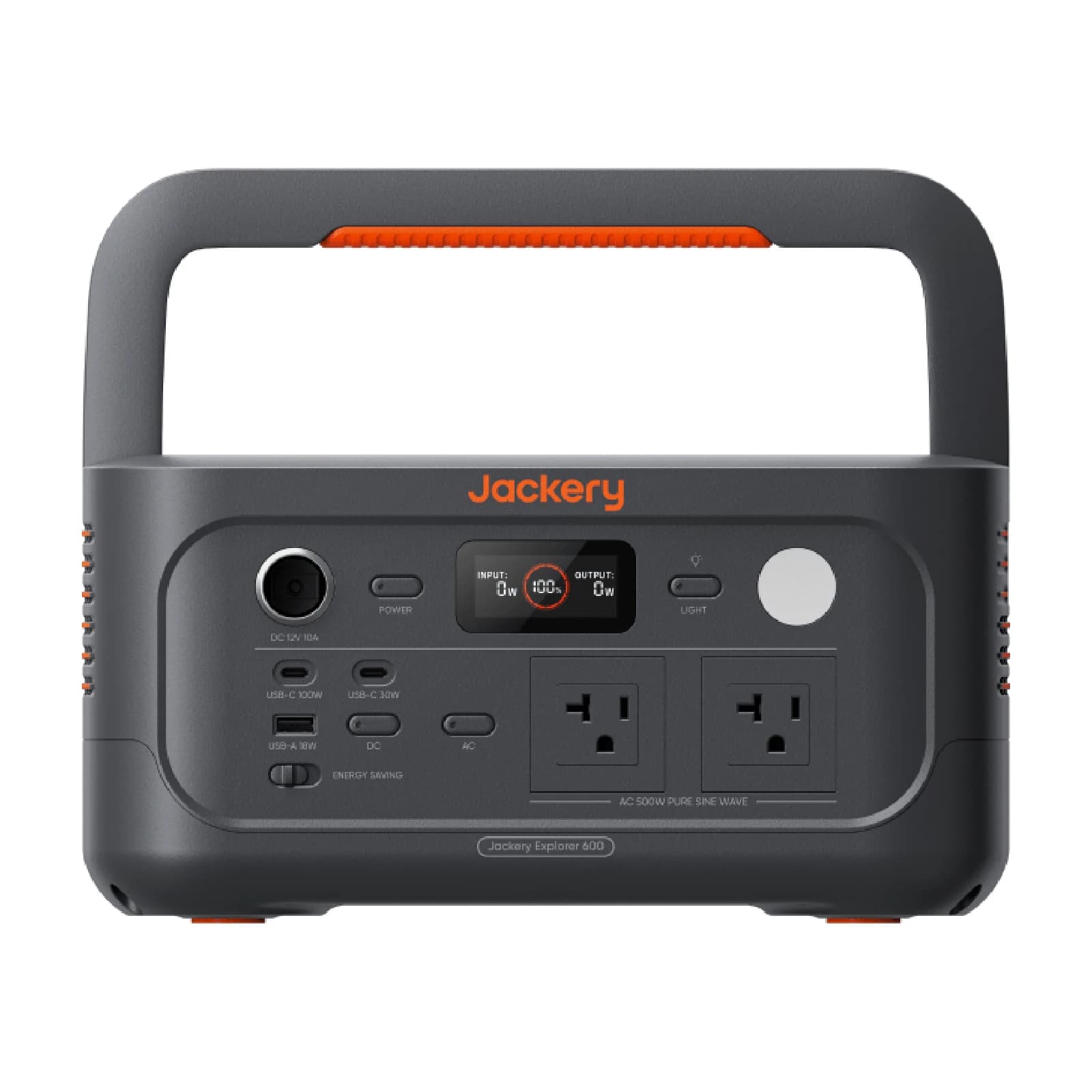
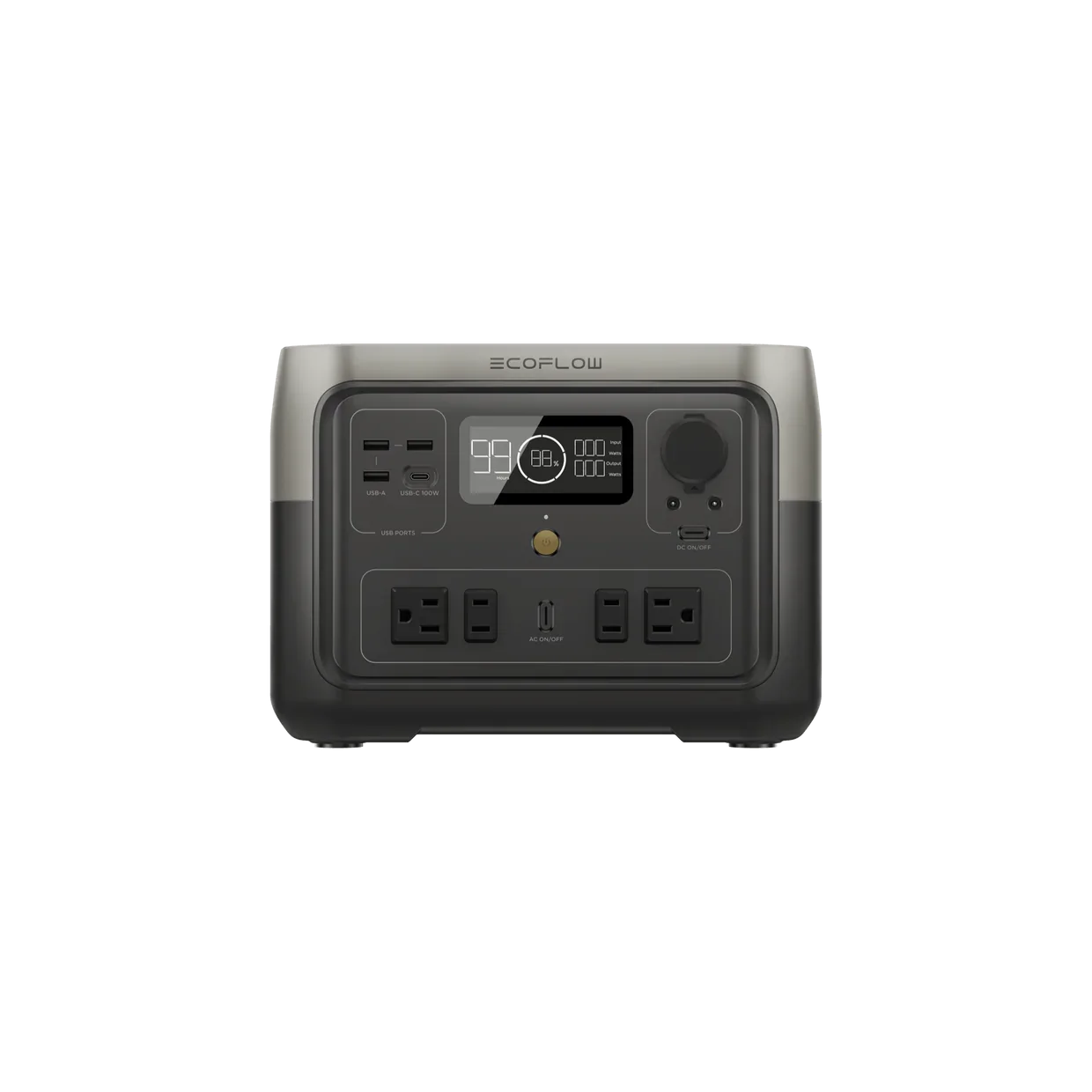
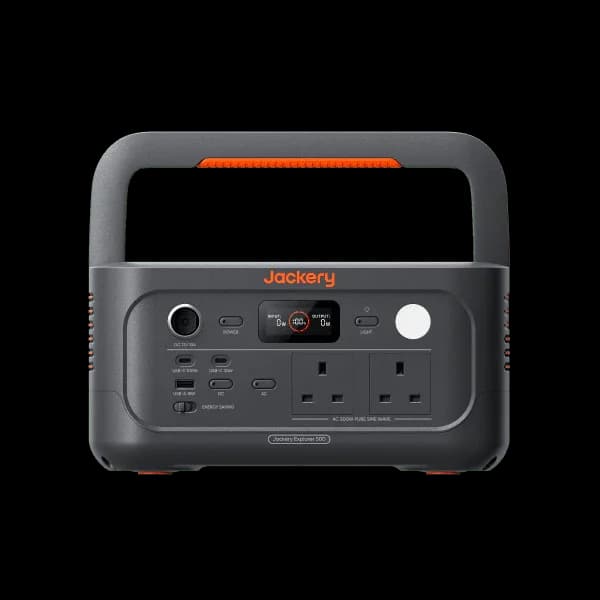
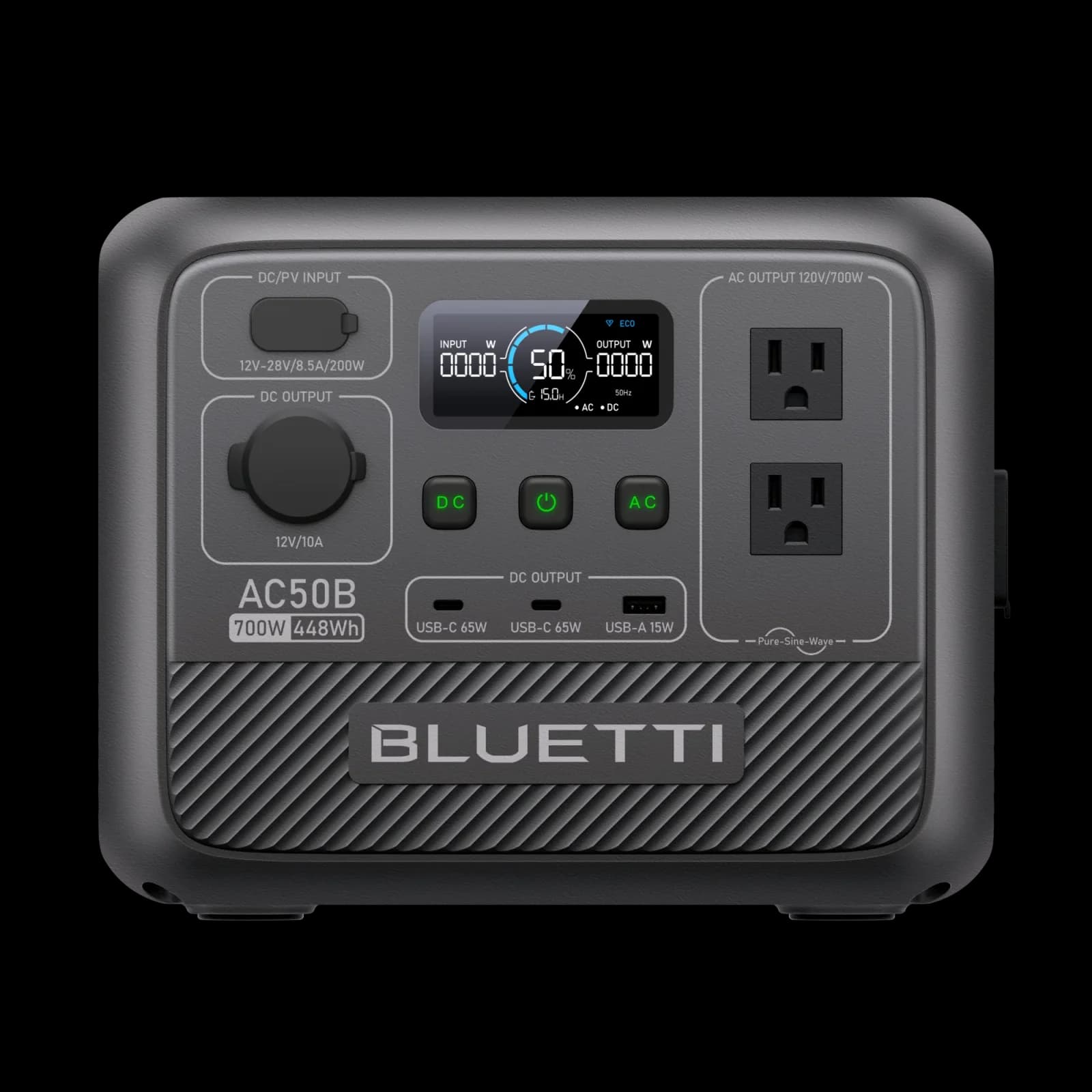
- Will a 500 Wh station run a refrigerator?
- Probably not reliably, and the reason is the outlet rather than the battery. A compressor demands a brief surge well above its running draw, and a 500 W inverter is close enough to that line that a cold garage or an older fridge can trip it. The class above is the honest answer for fridge duty.
- What does this size do well?
- Laptops, lights, phones, a fan, a router and a CPAP without humidification — loads under a few hundred watts that run for hours. That is a weekend of camping or a comfortable evening of an outage, and it is what these are actually built for.
- Why is the band 400–650 Wh rather than 450–550?
- Because brands do not build to round numbers. A tighter window would split product lines that shoppers cross-shop directly and leave several models in no band at all.
- Is this every 500 Wh station you track?
- No, it is the scored shortlist. Our 500–800 Wh class page holds the whole tracked inventory for that window with no ordering applied, which is the better place to verify one specific unit.
- How long will 500 Wh actually last?
- Divide the usable figure by your load and subtract roughly fifteen percent for the inverter. A 60 watt laptop draws about 70 watts from the pack, so a 512 Wh unit runs it for most of a working day, and a 12 watt string of lights runs for well over a week of evenings.
- Is this class a better buy than a 1,000 Wh unit?
- Only if the carry weight matters to you. These are all under seven kilograms and the class above is roughly double that, which is the entire trade. If the unit is going to live in a cupboard and come out during outages, buy the larger one.
- Why are there so few models here?
- Because the market has thinned this band from both directions: brands push buyers up to the kilowatt class where margins and headline numbers are better, and down to the 300 Wh carry size where the product is a genuinely different thing. What is left in the middle is a small, stable set that gets refreshed slowly.