← All use cases

Calculated scenario · sourced manifest

Portable Power for Remote Photography

14 stations pass every configured check; 65 fail at least one.

Energy per day
1,256 Wh
Sourced manifest ↓
Running load
359 W
Sourced manifest ↓
Worst-start surge
359 W
Sourced manifest ↓
Required delivered energy
2,513 Wh
Sourced manifest ↓
Stations passing
14
Sourced manifest ↓
Stations failing
65
Sourced manifest ↓
Edit this plan in the sizing tool →

By the BatteryRank Engineering Team

01 · Load manifest

Every load in the calculation

Average draw applies each sourced duty cycle; energy is average draw × quantity × daily hours × scenario days.

Sourced device loads and calculated energy
DeviceQuantityHours / dayAverage drawScenario energySource
Camera batteries (dual professional charger)AC2430 W480 WhSource · 2026-07-20
Drone battery (one charge)AC3265 W780 WhSource · 2026-07-06
Laptop under sustained full load (16-inch M1 Max)AC16104.4 W1,252.8 WhSource · 2026-07-20

02 · Reading the plan

What the numbers for remote photography leave out

What this situation actually demands

Half of this day is not consumption at all. Of 1,256 Wh, some 630 Wh is transfer — three drone charges at 390 Wh and two camera batteries at 240 Wh, energy moving sideways out of one cell and into another — while the remaining 626 Wh is the laptop doing actual work. That distinction is what makes this plan behave oddly: transfer is counted in charges and work is counted in hours, and only one of the two grows with how long you stay out.

Where these plans go wrong

Planning around the laptop and being surprised by the batteries. The laptop is the single heaviest line and it is also the one device on the plan, so it gets the attention. But a drone charge is 130 Wh, an hour of the laptop under sustained load is 104 Wh, and a fourth flight therefore costs more than an extra hour at the keyboard. On most manifests one line dominates and the rest is noise; here the flying and the editing cost roughly the same per unit, and you have to count both.

What this plan does not model

Every figure here is measured going into a charger, not arriving in a cell. A pack that accepts 130 Wh through its charger has stored less than 130 Wh, the difference is heat in the charger and heat in the pack, and no manufacturer publishes it — so these numbers are right about what the station spends and silent about what you get back. The second gap is the calendar: this manifest bills three charges every day because the sizing model works in days, when a drone battery is a per-flight cost. The two-day total is a shooting schedule we invented, not a duration anyone can promise you.

03 · Station picks

Three ways to cover the plan

Some links on this page are affiliate links. BatteryRank may earn a commission at no extra cost to you. Commission never affects whether a station passes these checks; when two stations tie on every measured criterion, the one with a live retail offer is shown.

Easy-carry fit

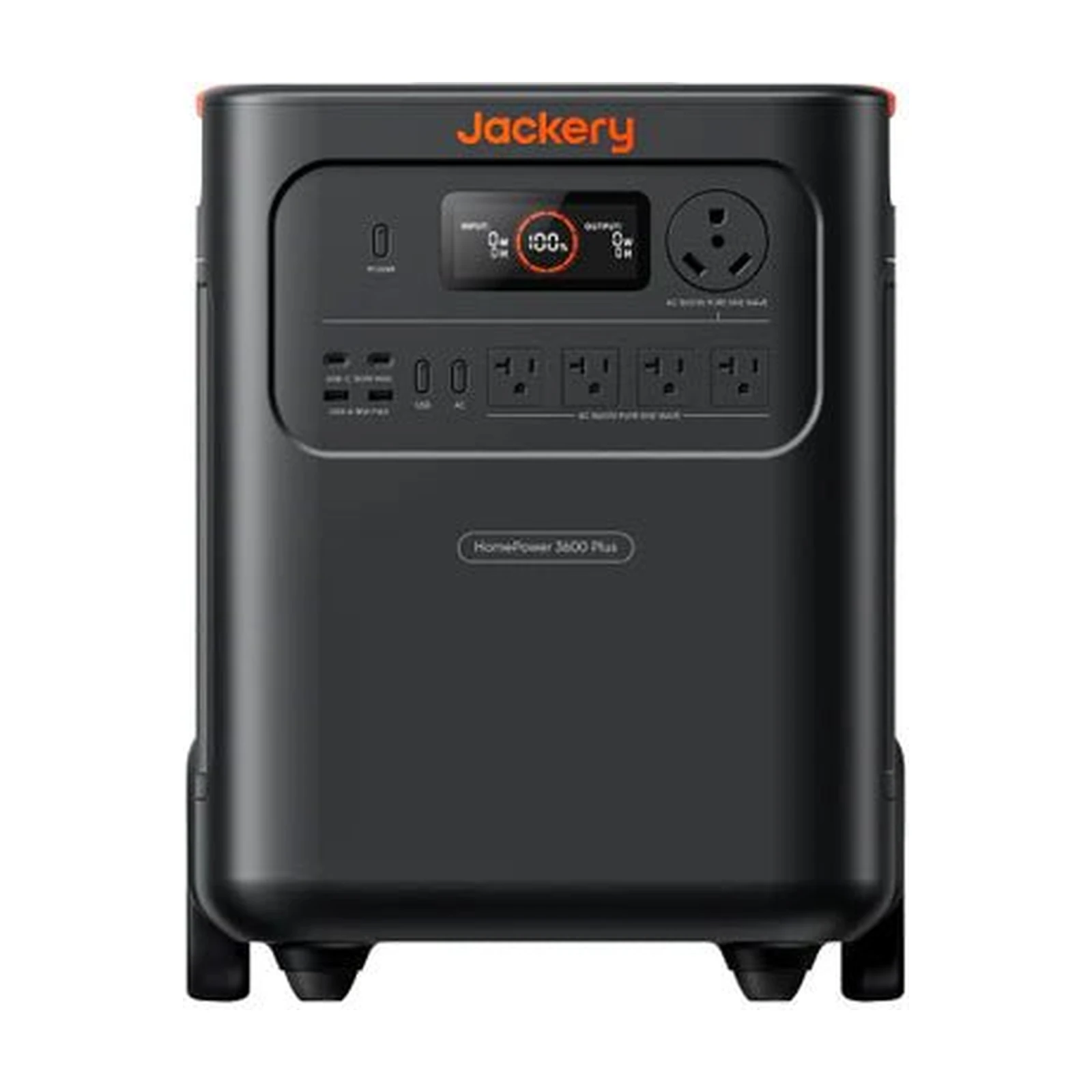
Jackery HomePower 3600 Plus

Projected runtime
2.4 days
Headroom
21.2%
Weight
35 kg

Why it fits

35 kg, 20 kg above the 15 kg preferred limit

Main compromise

8 kg heavier than the lightest eligible model (13 of 14 eligible models have this sourced value)

Open sourced model dossier →

Best all-round fit

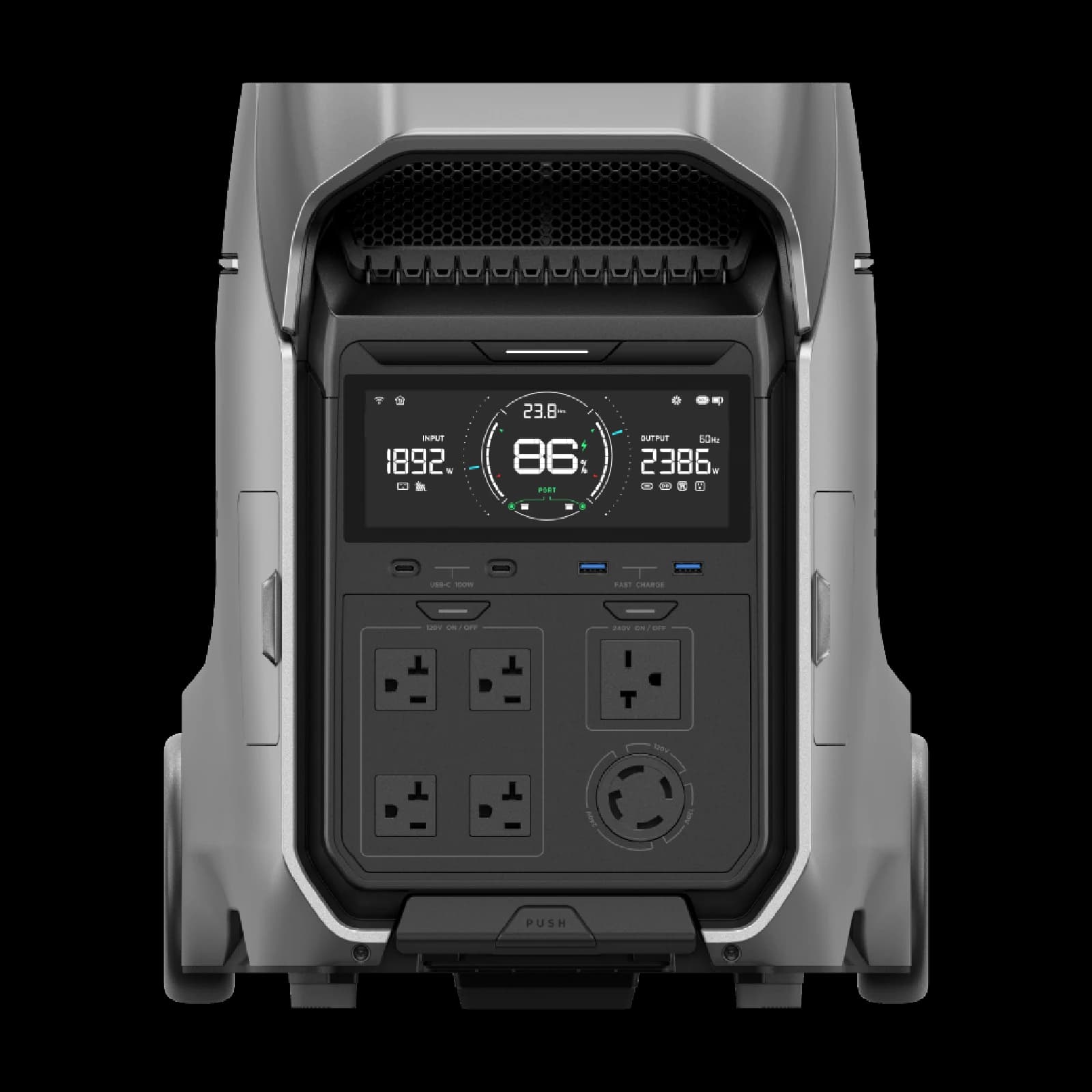
EcoFlow DELTA Pro 3

Projected runtime
3 days
Headroom
50.8%
Weight
51.5 kg

Why it fits

75.6 BatteryRank score — the highest of any station that fits this plan

Main compromise

4 points below the highest-scoring eligible model across 14 eligible models

Open sourced model dossier →

Extended runtime

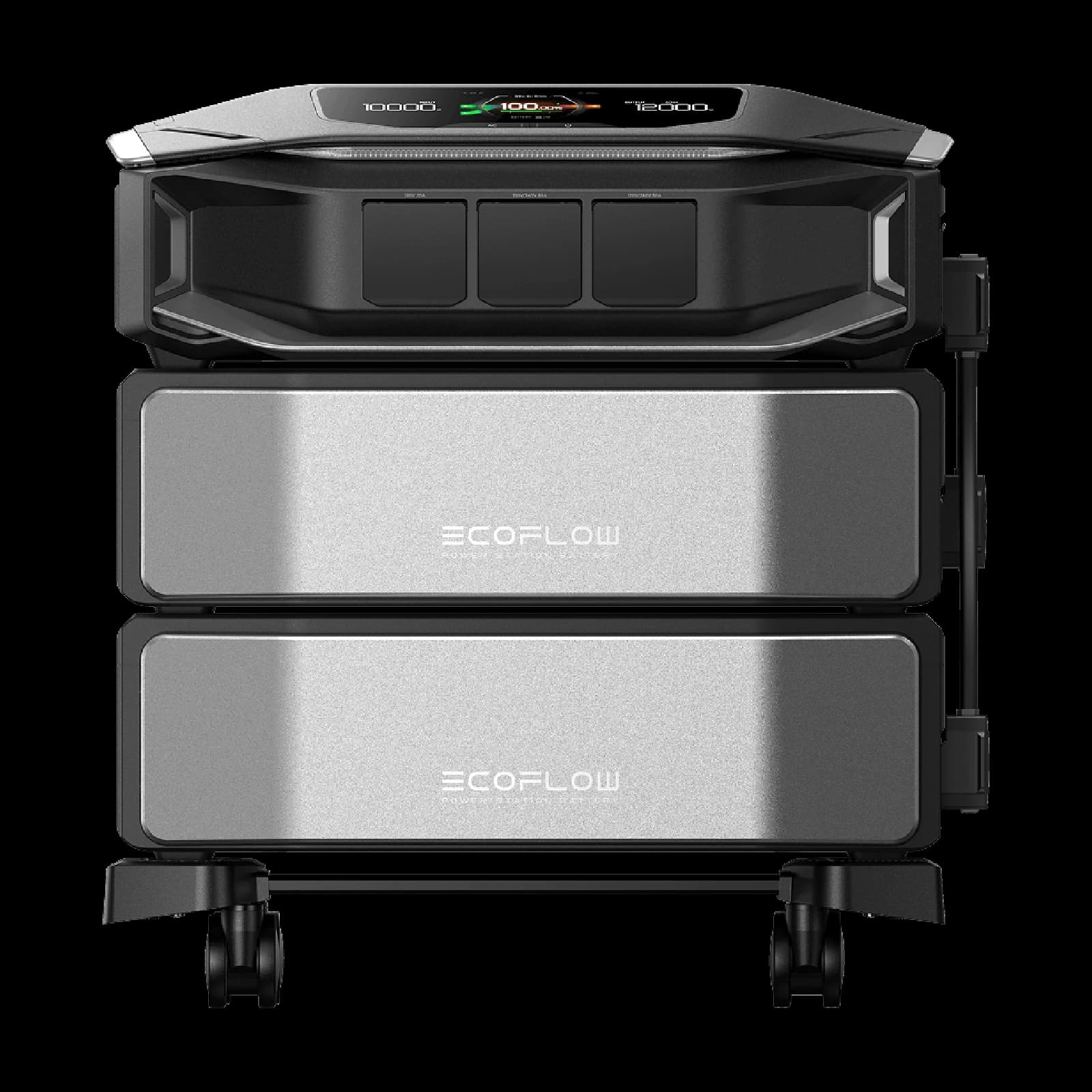
EcoFlow DELTA Pro Ultra X

Projected runtime
8.3 days
Headroom
315.7%
Weight
135.5 kg

Why it fits

8.3 projected runtime days

Main compromise

2,560 Wh below the largest sourced expanded reserve (13 of 14 eligible models have this sourced value)

Open sourced model dossier →

Solar balance

What recharging changes

On EcoFlow DELTA Pro Ultra X, the configured 200 W array harvests 560 Wh/day.

The remaining deficit is 918 Wh/day, for about 13.4 days of modeled runtime.

Review the published solar method →

Explore passing models by projected runtime

This ordered data view is separate from the three recommended buying strategies above.

  1. 01EcoFlow DELTA Pro Ultra X8.3 days
  2. 02EcoFlow DELTA Pro Ultra4.2 days
  3. 03Zendure SuperBase V64003.9 days
  4. 04Jackery Explorer 5000 Plus3.4 days
  5. 05Pecron F5000LFP3.1 days

Questions from the same calculation

How much power do you need for remote photography?
2,513 Wh of delivered energy over 2 days, drawing 359 W if every device runs at once. Laptop under sustained full load (16-inch M1 Max) alone is 50% of that energy, so it is the load worth measuring first — the rest of the manifest barely moves the answer.
What decides whether a station can start this setup?
Nothing in this manifest has a motor or compressor start above its running draw, so the 359 W continuous figure is the real inverter requirement. That is unusual — most outage plans are gated by a startup spike rather than by running watts.
Why is every load on this plan running through the inverter?
None of the devices in this manifest has a manufacturer-supported DC input, so each one pays the DC-to-AC conversion cost. Where a device does offer a native 12 V cord — camping fridges especially — using it is the cheapest runtime you can buy.
How many drone batteries will a station actually charge?
Divide, then subtract. At 130 Wh a charge measured at the socket, a nominal 1,000 Wh station has roughly 850 Wh to give once the inverter takes its share — six charges and nothing else, or one full editing day and not quite two charges after it. Charges are the planning unit on this trip; converting to them once at the start turns every later decision into arithmetic instead of guesswork.
Why does the plan bill three drone charges every single day?
Because the sizing model works in days and a drone battery does not. Three a day is a shooting rate we assumed; the real cost is 130 Wh per flight whenever it happens, so a slow first day followed by a heavy second one produces the same 2,513 Wh two-day total arranged differently. Size on the total and read the daily figure as a smoothing convenience rather than a schedule.
Is the running load worth worrying about here?
It is the least interesting number on the page. Everything plugged in simultaneously is 359 W, and in practice chargers finish at different times so even that overstates it. The scarce resource on a field trip is stored energy and the sun to replace it, not instantaneous output — which is why a heavier battery beats a bigger inverter on every version of this plan.