← Can it run?

Runtime evidence · sourced load

How Many Watts Does a Chest Freezer Use?

A chest freezer draws 30 W while running, and 700 W at startup. 54 stations clear the capacity, inverter, and startup checks at that load.

Average draw
30 W
Source · 2026-07-06
Startup requirement
700 W
Source · 2026-07-06
Stations passing
54
Current sourced catalog

By the BatteryRank Engineering Team

01 · Runtime ladder

Capacity steps, on the same load

Nominal capacity × depth of discharge × inverter efficiency ÷ sourced average draw.

Estimated runtime by portable power station capacity
Capacity classEstimated runtimeEvidence
300 Whstep 17.7 hrChest freezer load · 2026-07-06
500 Whstep 212.8 hrChest freezer load · 2026-07-06
1,000 Whstep 325.5 hrChest freezer load · 2026-07-06
2,000 Whstep 451 hrChest freezer load · 2026-07-06

These are comparison projections, not a promise. Temperature, inverter behavior, cycling, and the individual station's measured delivered capacity can change real runtime.

02 · Reading the numbers

What the chest freezer numbers leave out

How this load actually behaves

A chest freezer is a compressor load with an unusually forgiving duty cycle. The sourced 100 W running draw only applies while the compressor is actually turning, which is roughly 30% of the time once the cabinet is at temperature — so the figure that decides your battery size is about 30 W averaged over the day, not 100 W. The lid is the reason: cold air is dense and stays in the box when you open the top, which is why a chest freezer cycles far less than an upright of the same volume.
Where buyers get this one wrong

Sizing for continuous draw. People multiply 100 W by 24 hours, conclude they need 2.4 kWh a day, and buy roughly three times the station they need. The opposite mistake is worse though: ignoring the 700 W start spike. A station whose inverter is rated 600 W continuous will run this freezer beautifully right up to the moment the compressor restarts, then trip — usually overnight, unattended, with the food inside.

What our figure does not cover

Our duty figure describes a freezer that is already cold and left closed. A freezer you just loaded with warm food, or one in a 35 °C garage, can run near-continuously for hours and will consume several times the projection below until it pulls back down.

03 · Passing stations

Three scenario-aware recommendations

Some links on this page are affiliate links. BatteryRank may earn a commission at no extra cost to you. Commission never affects whether a station passes these checks; when two stations tie on every measured criterion, the one with a live retail offer is shown.

Critical-load fit

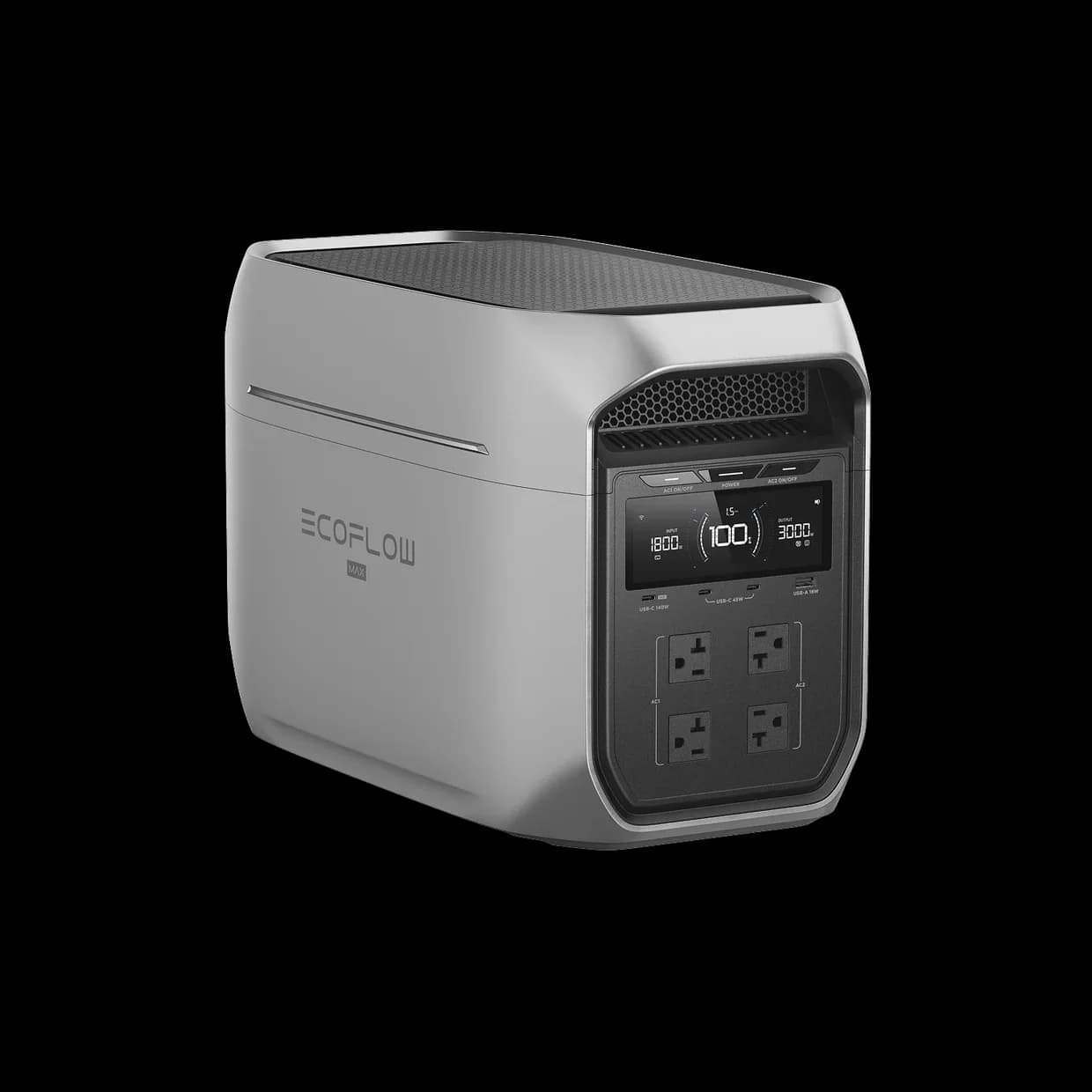
EcoFlow DELTA 3 Max Plus (2048Wh)

Projected runtime
52.2 hr
Headroom
117.6%
Weight
22.1 kg

Why it fits

2,900 W above the plan's running load (3,000 W continuous output)

Main compromise

9,000 W below the highest output reserve across 54 eligible models

Open sourced model dossier →

Best all-round fit

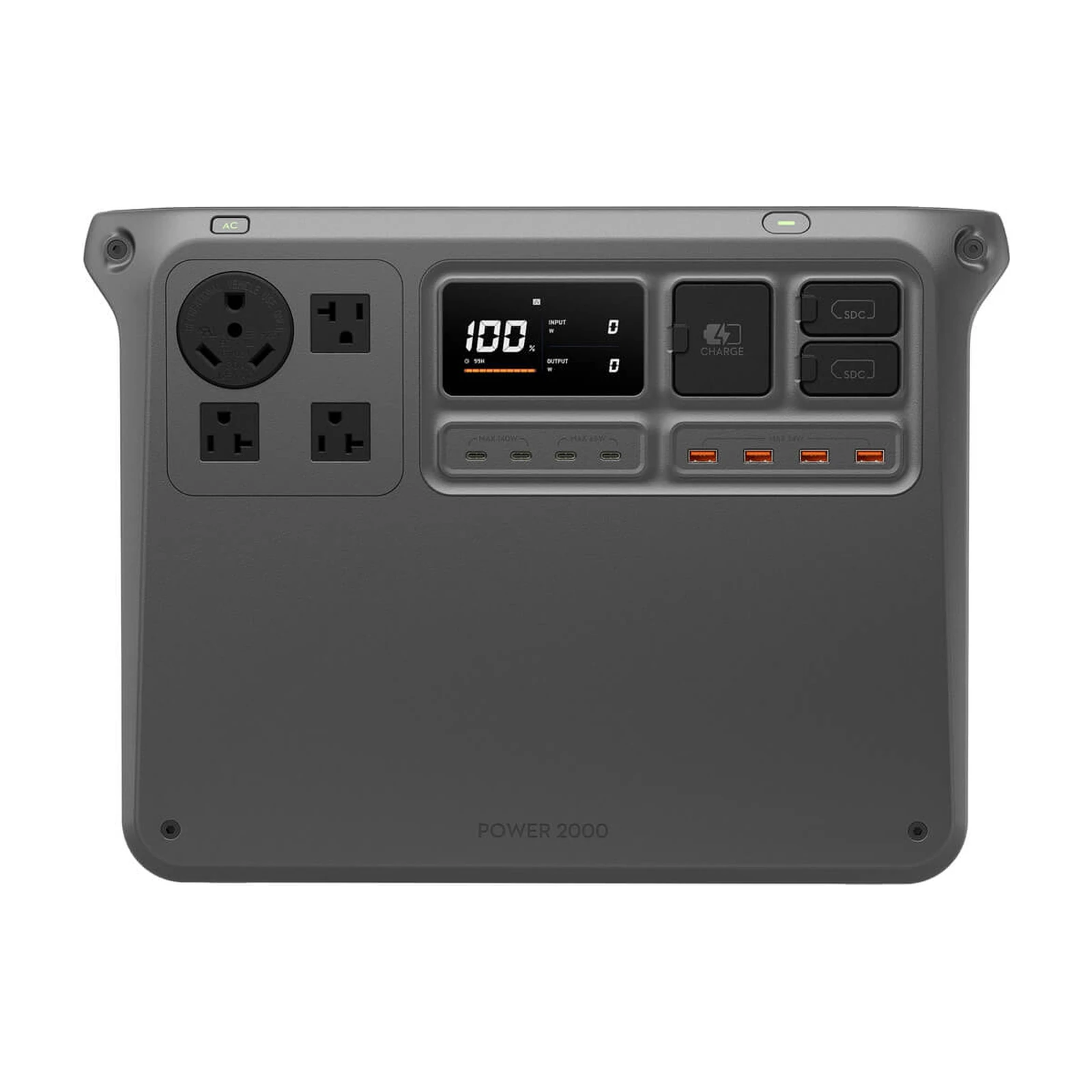
DJI Power 2000

Projected runtime
58 hr
Headroom
141.8%
Weight
22 kg

Why it fits

74.9 BatteryRank score — the highest of any station that fits this plan

Main compromise

4.8 points below the highest-scoring eligible model (53 of 54 eligible models have this sourced value)

Open sourced model dossier →

Maximum useful reserve

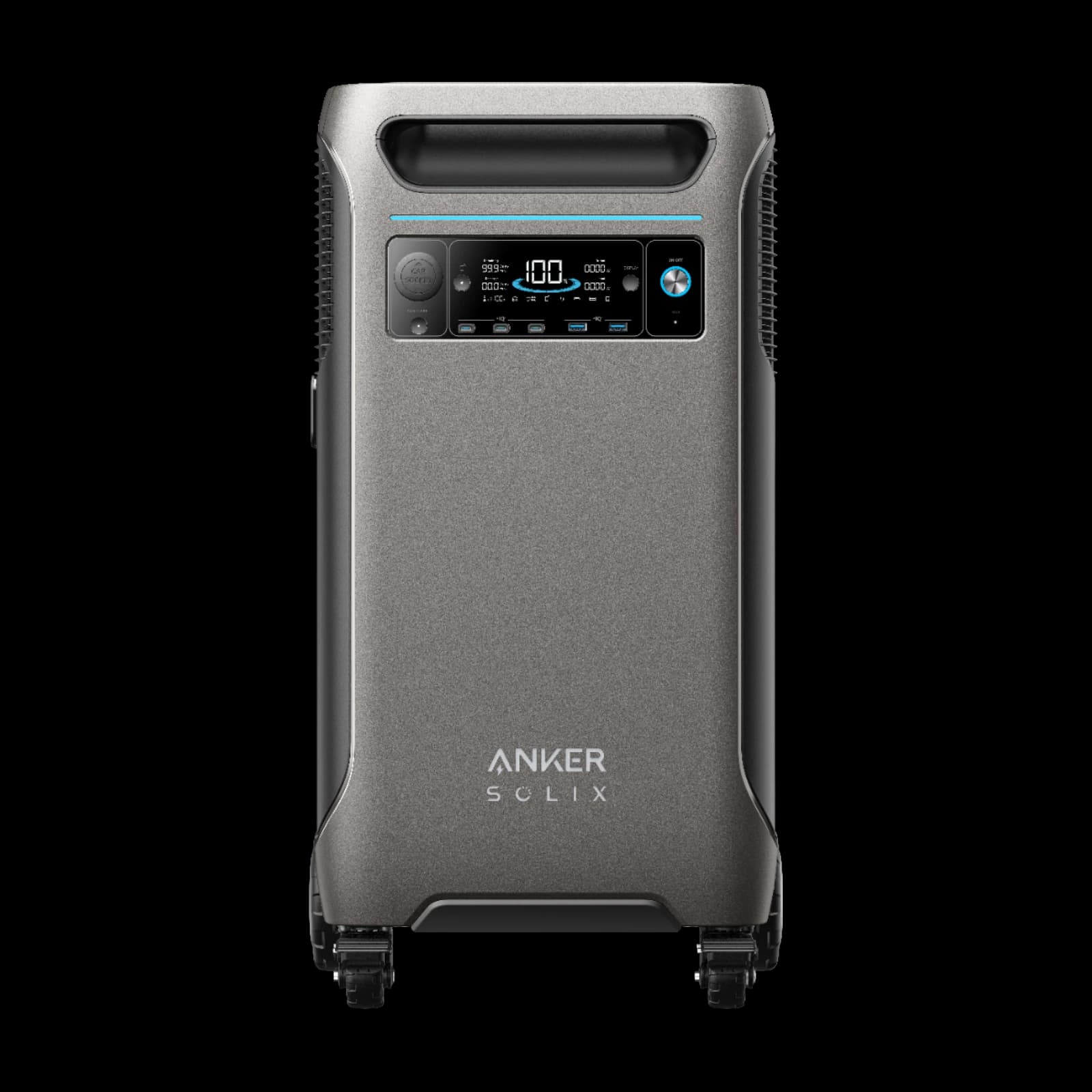
Anker SOLIX F3800

Projected runtime
108.8 hr
Headroom
353.3%
Weight
60 kg

Why it fits

108.8 projected runtime hours

Main compromise

239.4 hours less projected runtime than the longest-running eligible model across 54 eligible models

Open sourced model dossier →

Explore passing models by projected runtime

This ordered data view is separate from the three recommended buying strategies above.

  1. 01EcoFlow DELTA Pro Ultra X348.2 hr
  2. 02EcoFlow DELTA Pro Ultra174.1 hr
  3. 03Zendure SuperBase V6400164.2 hr
  4. 04Jackery Explorer 5000 Plus142.8 hr
  5. 05Pecron F5000LFP130.6 hr

Runtime uses each linked model's sourced capacity and output data; open its dossier for provenance.

Solar effect

200 W of panels on EcoFlow DELTA Pro Ultra X

Daily harvest
560 Wh
Daily balance
287 Wh deficit
Runtime with solar
42.8 days

Computed with this model's sourced solar-input limit and BatteryRank's published harvest assumptions. Check the solar method → · Model sources →

04 · Evidence record

Device assumptions used

Sourced running draw
100 W
Duty cycle
30%
Startup surge
700 W
Manufacturer spec · 2026-07-06

Questions, answered from the same inputs

How Many Watts Does a Chest Freezer Use?
Yes. 54 stations in the current sourced catalog pass the capacity, inverter, and startup checks for the default runtime.
What power figure matters most for a chest freezer?
Average draw determines battery runtime, while the sourced startup requirement must stay within the station inverter's surge capability.
How long will a chest freezer stay cold without any power at all?
A full, closed chest freezer typically holds safe temperature far longer than most people expect, which changes the sizing question: you are usually powering the compressor for a few cycles a day, not running it continuously. Keeping the lid shut is worth more than a larger battery, and a freezer thermometer tells you which one you actually need.
Does the freezer need to run the entire outage?
No, and planning it that way is what inflates the battery. Many owners run the freezer in blocks — a few hours on, several off — and watch cabinet temperature rather than the clock. That approach stretches a mid-size station across a multi-day outage.
Why does the startup number matter more than the running number here?
Because the running draw decides how long the battery lasts, but the 700 W start spike decides whether the station works at all. Inverter surge capability is the gate; capacity is the duration. A station has to clear both, and they are different specs.