← All use cases

Calculated scenario · sourced manifest

Portable Power for Tailgating

13 stations pass every configured check; 66 fail at least one.

Energy per day
2,452 Wh
Sourced manifest ↓
Running load
2,831 W
Sourced manifest ↓
Worst-start surge
2,831 W
Sourced manifest ↓
Required delivered energy
2,452 Wh
Sourced manifest ↓
Stations passing
13
Sourced manifest ↓
Stations failing
66
Sourced manifest ↓
Edit this plan in the sizing tool →

By the BatteryRank Engineering Team

01 · Load manifest

Every load in the calculation

Average draw applies each sourced duty cycle; energy is average draw × quantity × daily hours × scenario days.

Sourced device loads and calculated energy
DeviceQuantityHours / dayAverage drawScenario energySource
Electric cooler (20L thermoelectric)DC1846 W368 WhSource · 2026-07-20
Coffee maker, 12-cup drip (while brewing)AC10.3975 W243.8 WhSource · 2026-07-20
Induction cooktop, 1,800W element (on full)AC111,800 W1,800 WhSource · 2026-07-20
LED camping lanternAC245 W40 WhSource · 2026-07-06

02 · Reading the plan

What the numbers for tailgating leave out

What this situation actually demands

What decides this plan is an instant, not an afternoon. Everything switched on together is 2,831 W, and only 20 of the 79 stations with a sourced inverter rating can supply that. But the figure assumes you brew coffee while the cooktop is running on full, which nobody actually does — stagger the two and the requirement falls to 1,856 W, which 41 of them meet. One scheduling decision more than doubles the shortlist available to you, and it costs nothing at all.

Where these plans go wrong

Shopping for the worst-case number the page prints. The 2,831 W total is the honest arithmetic of every device running at once, and it is also a situation that only exists if you arrange it. The corollary is less comfortable: the induction cooktop is 1,800 W and 1,800 Wh, three-quarters of the day's entire energy, and it is the one load here you cannot schedule around, because an hour of cooking is an hour of cooking. Everything else on the manifest comes to 652 Wh of the 2,452 Wh day — which is to say this is a cooking plan with a cooler attached.

What this plan does not model

One hour on full is the assumption carrying this plan, and an induction hob does not run on full: it modulates, and a pan that has come up to temperature holds at a fraction of the element's rating. We bill the whole 1,800 W for the whole hour because that is the only figure anyone publishes, so the energy side here is a ceiling rather than an estimate. The output side does not soften the same way — when the element is calling for heat it really is asking for 1,800 W, and an inverter that cannot hold it trips no matter how briefly it is asked. There is also no recharge in this scenario: one day, no array, so what arrives in the car is the entire budget.

03 · Station picks

Three ways to cover the plan

Some links on this page are affiliate links. BatteryRank may earn a commission at no extra cost to you. Commission never affects whether a station passes these checks; when two stations tie on every measured criterion, the one with a live retail offer is shown.

Easy-carry fit

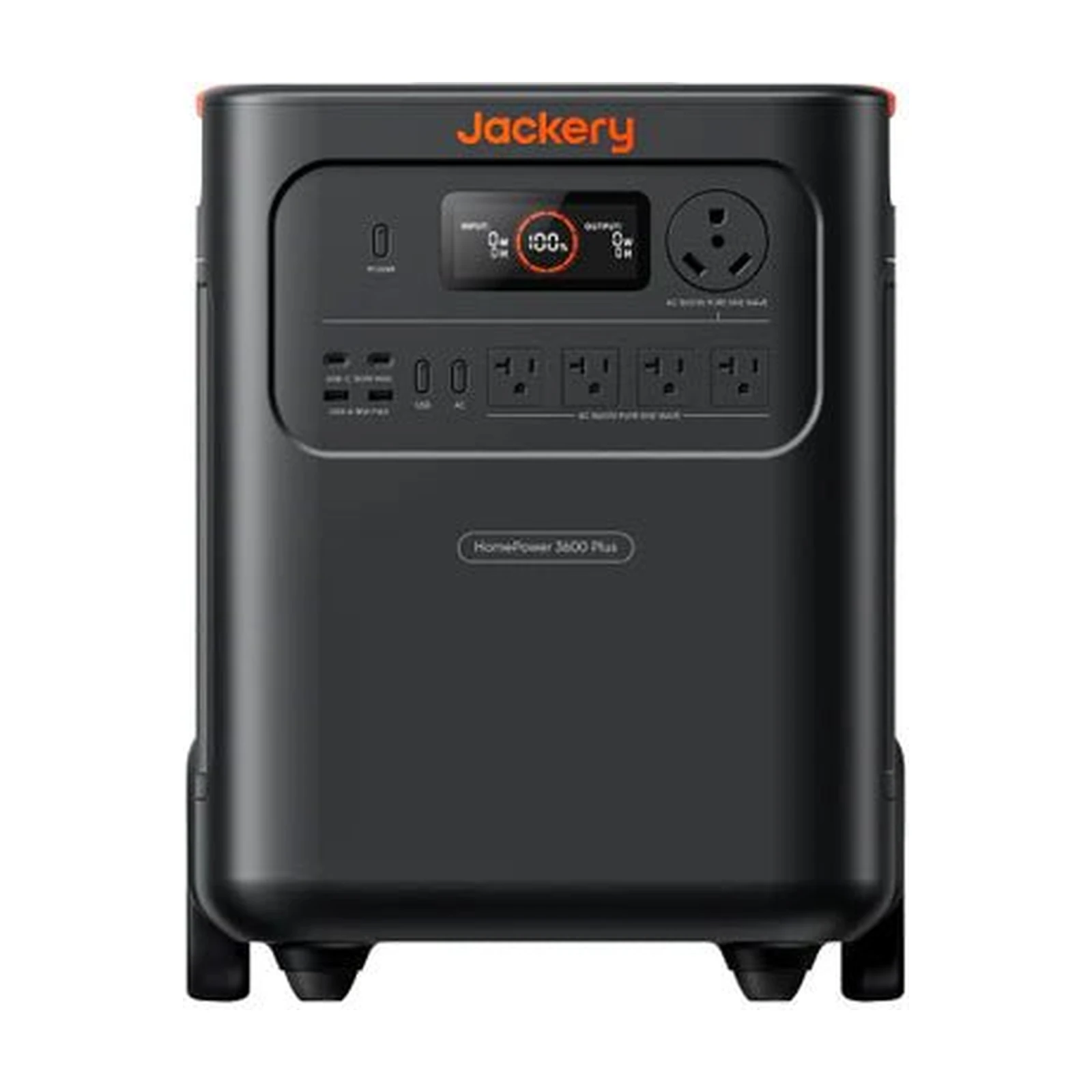
Jackery HomePower 3600 Plus

Projected runtime
1.3 days
Headroom
25.3%
Weight
35 kg

Why it fits

35 kg, 15 kg above the 20 kg preferred limit

Main compromise

8 kg heavier than the lightest eligible model (12 of 13 eligible models have this sourced value)

Open sourced model dossier →

Best all-round fit

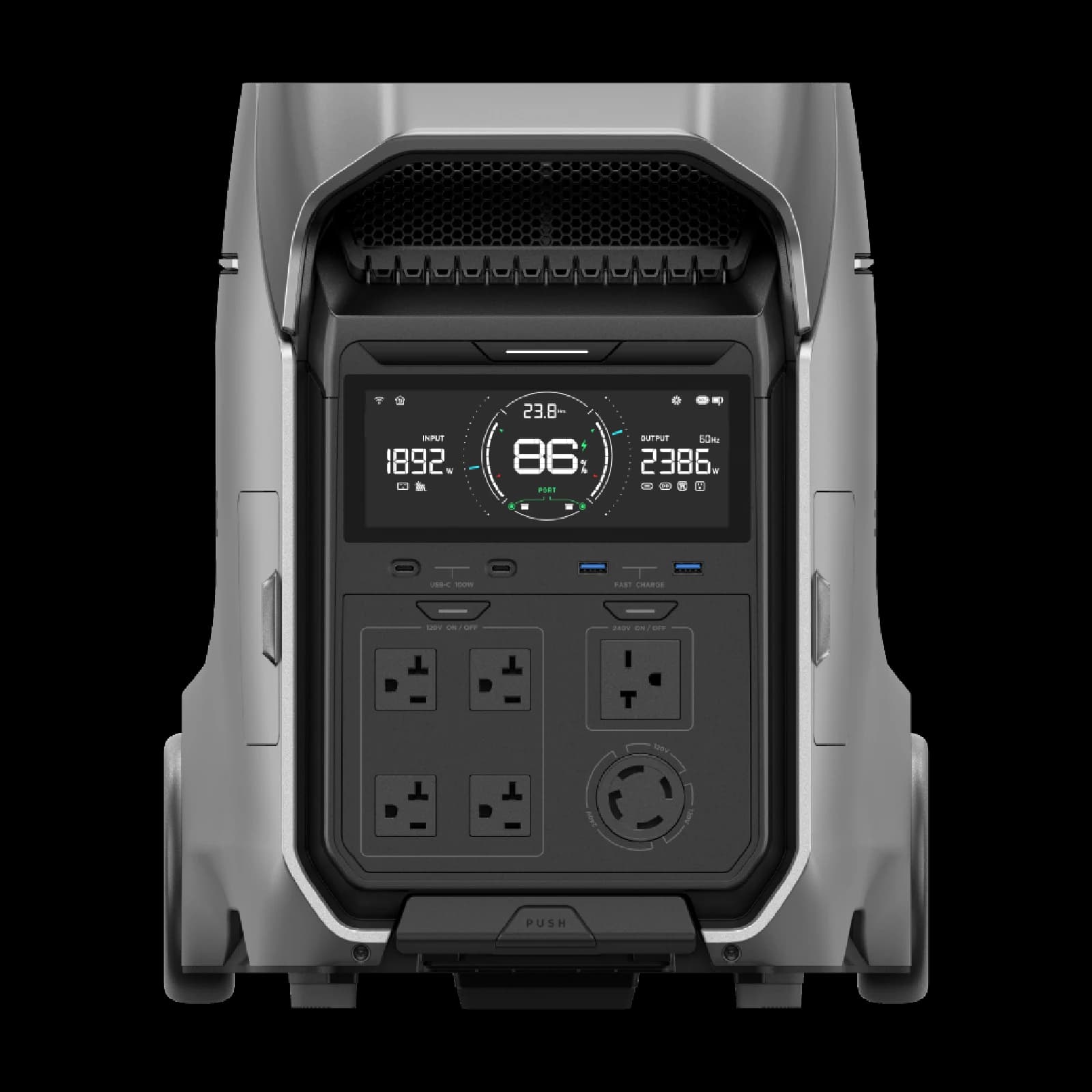
EcoFlow DELTA Pro 3

Projected runtime
1.6 days
Headroom
55.9%
Weight
51.5 kg

Why it fits

75.6 BatteryRank score — the highest of any station that fits this plan

Main compromise

4 points below the highest-scoring eligible model across 13 eligible models

Open sourced model dossier →

Appliance-ready headroom

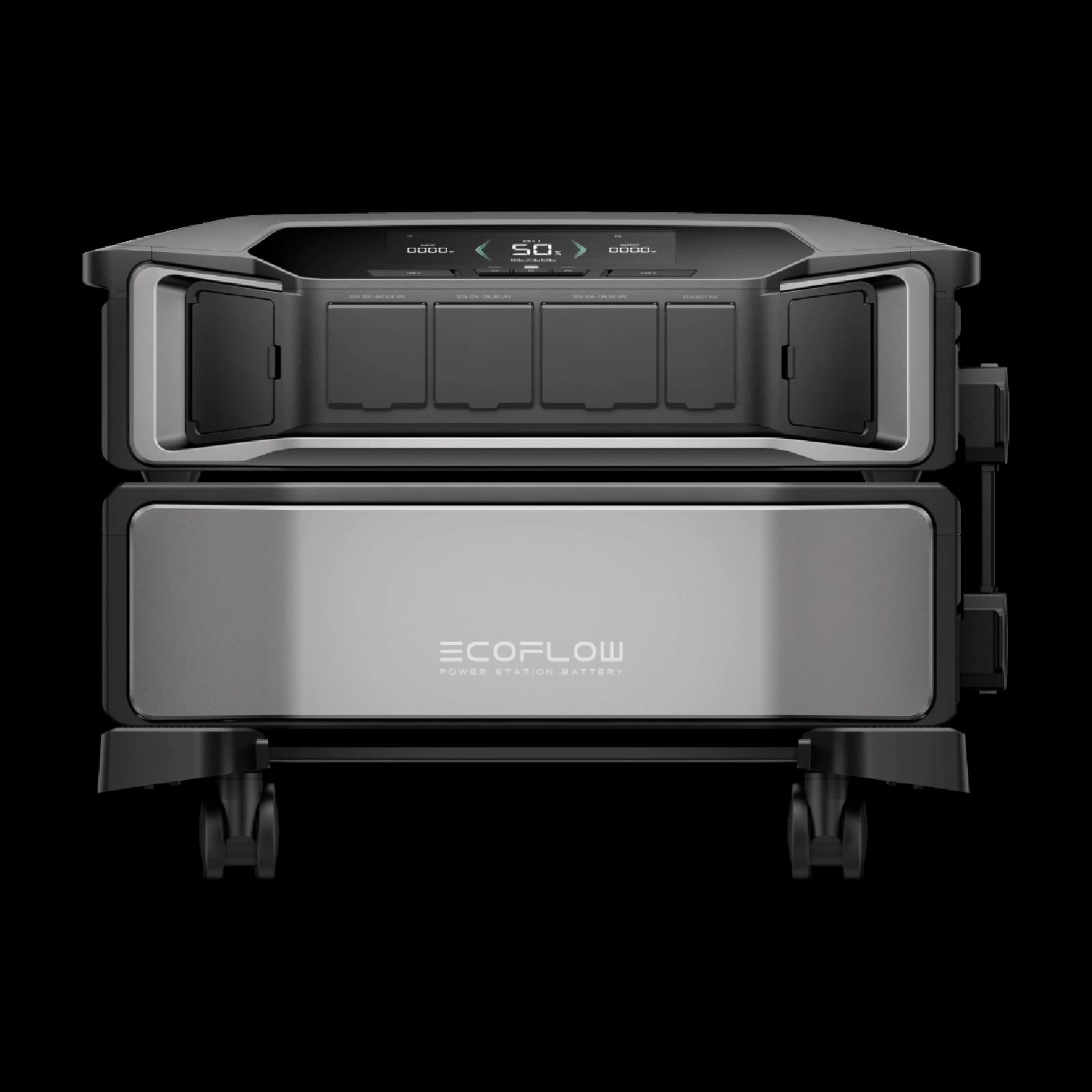
EcoFlow DELTA Pro Ultra

Projected runtime
2.1 days
Headroom
114.8%
Weight
82.4 kg

Why it fits

4,369 W above the plan's running load (7,200 W continuous output)

Main compromise

4,800 W below the highest output reserve across 13 eligible models

Open sourced model dossier →

Solar balance

What recharging changes

The default plan does not assume solar recharging. Add a panel size in the editable calculator to see daily harvest and deficit by station.

Review the published solar method →

Explore passing models by projected runtime

This ordered data view is separate from the three recommended buying strategies above.

  1. 01EcoFlow DELTA Pro Ultra X4.3 days
  2. 02EcoFlow DELTA Pro Ultra2.1 days
  3. 03Zendure SuperBase V64002 days
  4. 04Jackery Explorer 5000 Plus1.8 days
  5. 05Pecron F5000LFP1.6 days

Questions from the same calculation

How much power do you need for tailgating?
2,452 Wh of delivered energy over 1 day, drawing 2,831 W if every device runs at once. Induction cooktop, 1,800W element (on full) alone is 73% of that energy, so it is the load worth measuring first — the rest of the manifest barely moves the answer.
What decides whether a station can start this setup?
Nothing in this manifest has a motor or compressor start above its running draw, so the 2,831 W continuous figure is the real inverter requirement. That is unusual — most outage plans are gated by a startup spike rather than by running watts.
Does running the DC loads on 12 V actually change the result?
Yes. Electric cooler (20L thermoelectric) is planned on the station's DC output, which skips the inverter conversion entirely. The same hardware on an AC outlet would draw the same work from the battery plus the conversion overhead, and over 1 day that difference compounds.
Can I buy a smaller station if I never brew and cook at the same moment?
Yes, and it is the cheapest upgrade on this page. The simultaneous 2,831 W is met by 20 stations with a sourced inverter rating; take the brewer out of that instant and the 1,856 W left is met by 41. That is the output check alone — a station still has to hold the energy — but it widens the pool you are choosing from more than any amount of extra budget will.
Is a battery even the right way to cook at a tailgate?
Worth asking, and this is the plan where the answer might be a different fuel entirely. An hour of induction is 1,800 Wh and buys you an hour of cooking; a propane burner does the same job with no inverter rating, no capacity check, and no worst-case instant to design around. BatteryRank has no sourced data on gas and will not compare running costs — but note what happens if the cooktop leaves the manifest: 652 Wh and 1,031 W is not a hard plan for anything.
What does the cooler actually cost me?
368 Wh across eight hours, about 15% of the day, at a steady 46 W that never troubles the inverter. It is the only line here that runs continuously and the only one still working while nobody is paying attention to it. If this plan has to shrink, the cooler is the last thing to give up rather than the first.