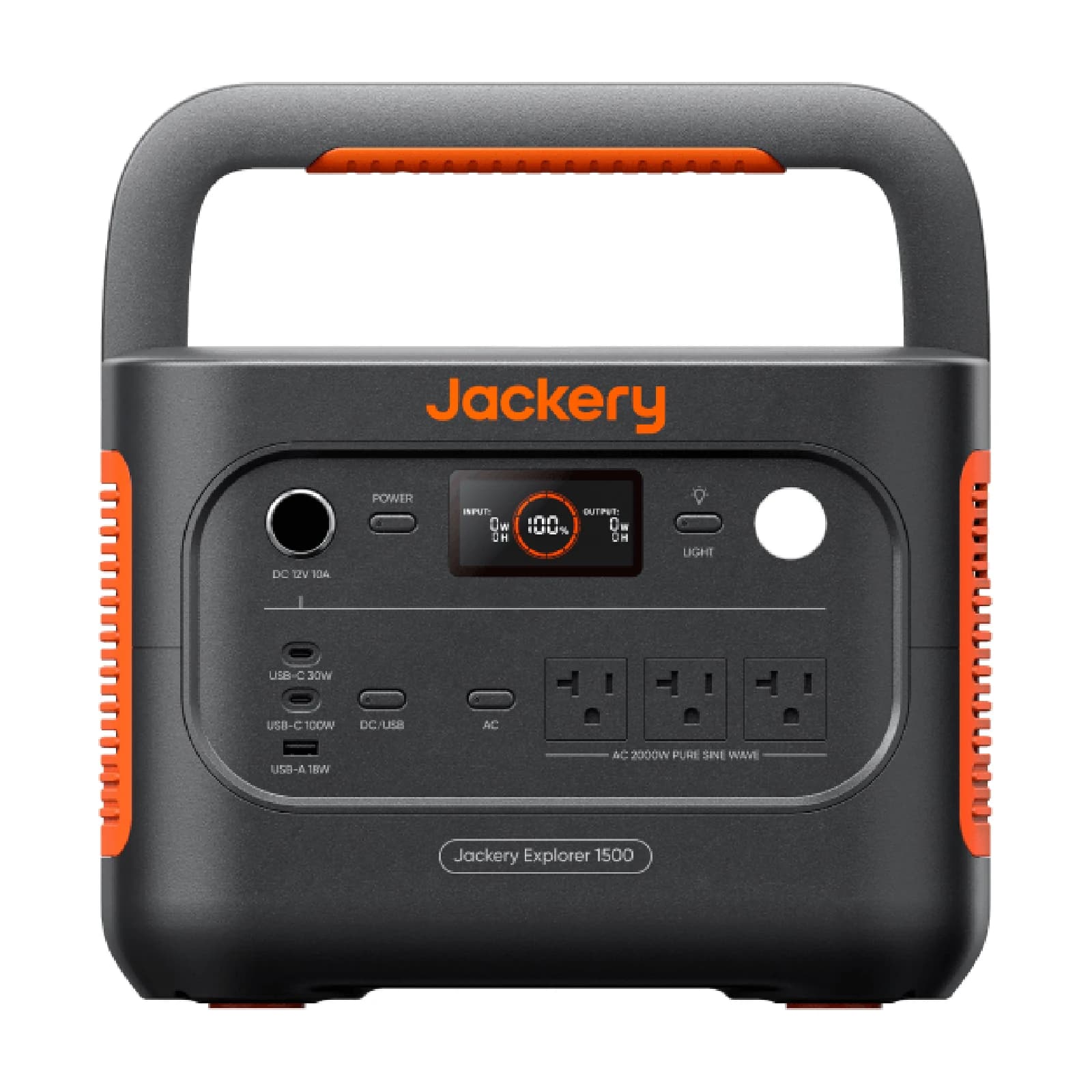
Lightweight fit
Jackery Explorer 1500 v2
- Projected runtime
- 28.4 hr
- Headroom
- 18.3%
- Weight
- 14.5 kg
Why it fits
14.5 kg, 0.5 kg below the 15 kg preferred limit
Main compromise
9,600 W below the highest sourced solar input across 39 eligible models
Runtime evidence · sourced load
An electric cooler draws 46 W while running. 39 stations clear the capacity, inverter, and startup checks at that load.
01 · Runtime ladder
Nominal capacity × depth of discharge × inverter efficiency ÷ sourced average draw.
| Capacity class | Estimated runtime | Evidence |
|---|---|---|
| 300 Whstep 1 | 5 hr | Electric cooler (20L thermoelectric) load · 2026-07-20 |
| 500 Whstep 2 | 8.3 hr | Electric cooler (20L thermoelectric) load · 2026-07-20 |
| 1,000 Whstep 3 | 16.6 hr | Electric cooler (20L thermoelectric) load · 2026-07-20 |
| 2,000 Whstep 4 | 33.3 hr | Electric cooler (20L thermoelectric) load · 2026-07-20 |
These are comparison projections, not a promise. Temperature, inverter behavior, cycling, and the individual station's measured delivered capacity can change real runtime.
Personalize the estimate
Replace the representative load with a typical-day meter reading. Add the running and startup watts from your own label or meter to update the inverter checks. These entries only change this page view.
Sourced baseline: 46 W average from 46 W running at a 100% duty cycle. Electric cooler (20L thermoelectric) source · 2026-07-20 ↗
Blank uses the sourced default. Enter nameplate watts or a meter reading while the compressor or pump is running.
Leave blank to use a sourced figure when available. Enter real startup watts only from an OEM source or an inrush meter; an LRA amp rating is not a watt value.
Default follows this page's cited use case. Average energy is assumed to continue through this window.
Average load 46 W · running check 46 W
300 Wh nominal
5 hr
500 Wh nominal
8.3 hr
1,000 Wh nominal
16.6 hr
2,000 Wh nominal
33.3 hr
Runtime ladder uses the same comparison assumptions as the table above. Station-specific fit below uses each model's capacity and inverter data.
39 of 80 stations pass the capacity, running, and startup checks for 24 hr using published station specs; appliance startup remains unverified.
Passes the entered checks
Passes the entered checks
Passes the entered checks
Passes the entered checks
Passes the entered checks
Passes the entered checks
Station checks use data on linked model profiles. Temperature, compressor cycling, wiring, inverter behavior, and actual starting current can change results.
03 · Passing stations
Some links on this page are affiliate links. BatteryRank may earn a commission at no extra cost to you. Commission never affects whether a station passes these checks; when two stations tie on every measured criterion, the one with a live retail offer is shown.
Lightweight fit
Why it fits
14.5 kg, 0.5 kg below the 15 kg preferred limit
Main compromise
9,600 W below the highest sourced solar input across 39 eligible models
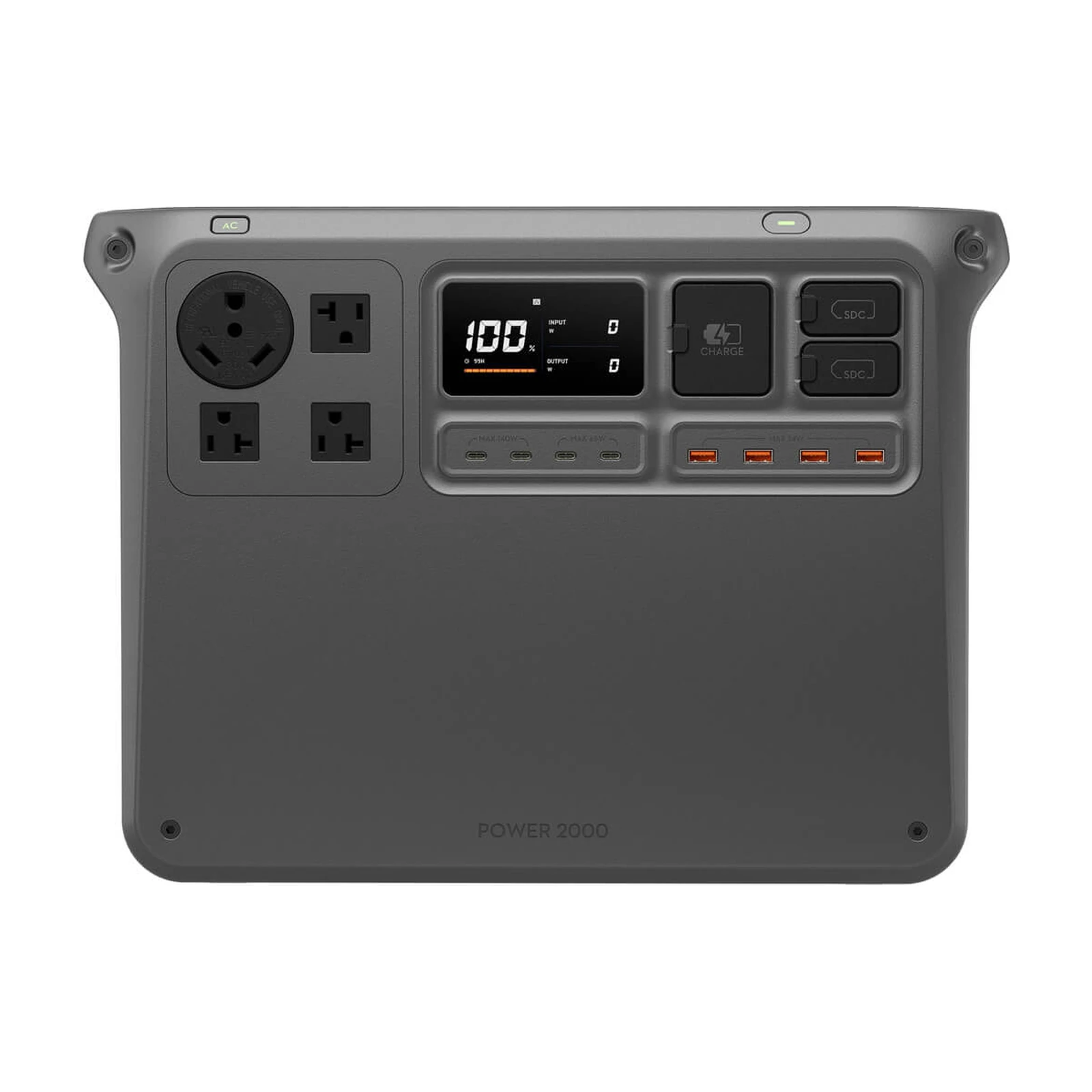
Best all-round fit
Why it fits
74.9 BatteryRank score, considered alongside this role's capacity and output requirements
Main compromise
4.8 points below the highest-scoring eligible model (38 of 39 eligible models have this sourced value)
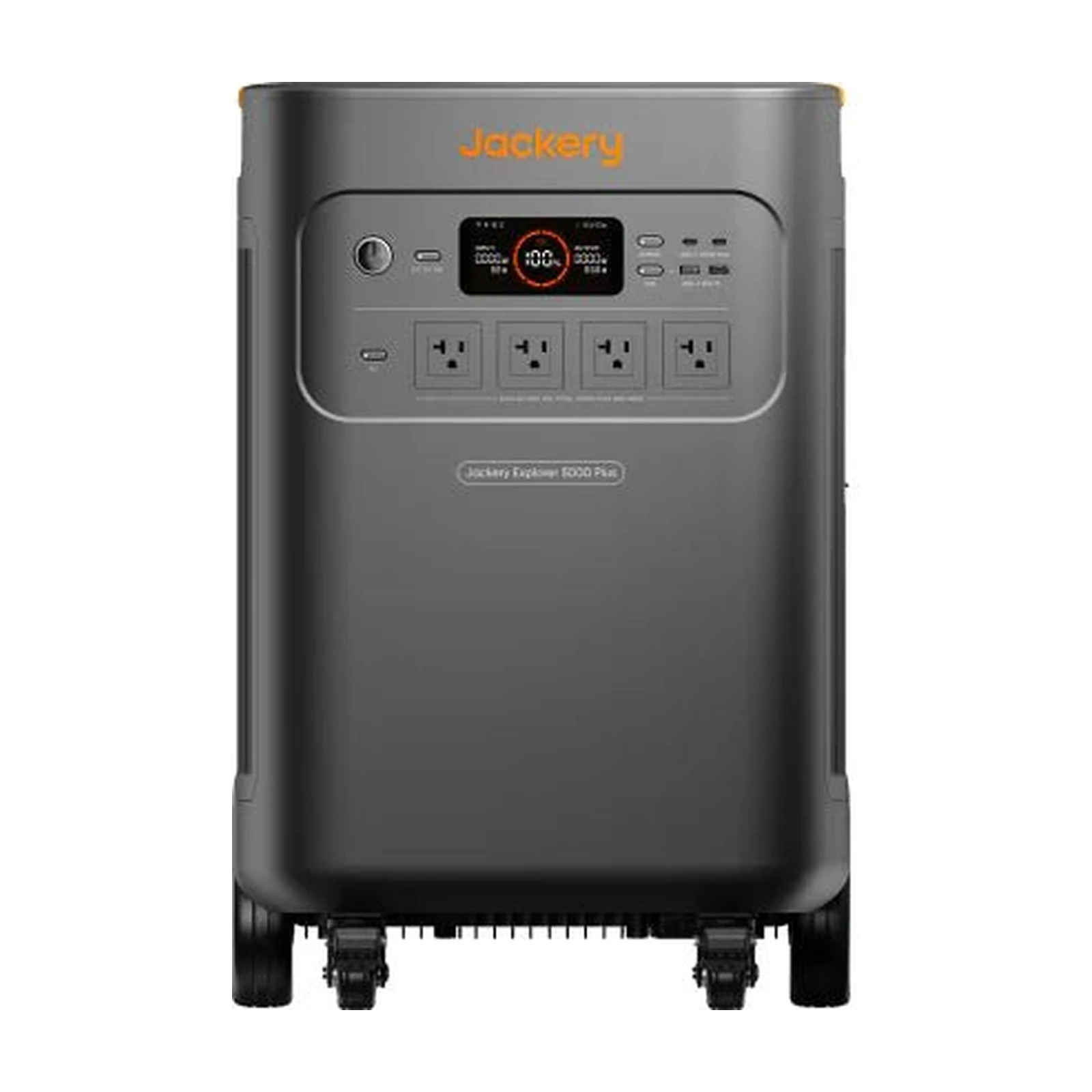
Longer off-grid stay
Why it fits
93.1 projected runtime hours
Main compromise
133.9 hours less projected runtime than the longest-running eligible model across 39 eligible models
This ordered data view is separate from the three recommended buying strategies above.
Runtime uses each linked model's sourced capacity and output data; open its dossier for provenance.
Solar effect
Computed with this model's sourced solar-input limit and BatteryRank's published harvest assumptions. Check the solar method → · Model sources →
04 · Evidence record