Power stationsSections
Generator vs battery: what does it really cost to run?
The honest metric is dollars per kWh actually delivered to your loads. Set your daily energy use and how long you run it, and we compare a gas generator against a power station charged from the grid or from solar — on live national fuel and electricity prices, never a made-up number.
Gas generator
- Cost per kWh delivered
- $1.36
- Total for this scenario
- $8.16
- Gasoline burned
- 1.8 gal
Burns fuel at ~3.3 usable kWh/gallon. Plus oil, maintenance, noise, and fumes that keep it outdoors.
Power station — grid
- Cost per kWh delivered
- $0.22
- Total for this scenario
- $1.32
Recharged from a wall outlet at the national residential rate, after round-trip battery loss. Silent, indoor-safe, zero fumes.
Power station — solar
- Cost per kWh delivered
- $0.00
- Total for this scenario
- $0.00
Recharged from panels: no fuel, no grid draw. Harvest depends on sun — check the solar recharge deficit tool to size an array.
Over one 3-day outage, running a power station off the grid instead of a gas generator saves about $6.84 in fuel — and recharging from solar saves the generator’s $8.16 in full. The generator still wins where you need days of uninterrupted multi-kilowatt output; for outages and camping the battery wins on cost, quiet, and indoor safety.
Power stations that replace a generator
Home-backup-capable units — ~1 kWh or larger with an 800 W+ inverter — ranked by the BatteryRank score.
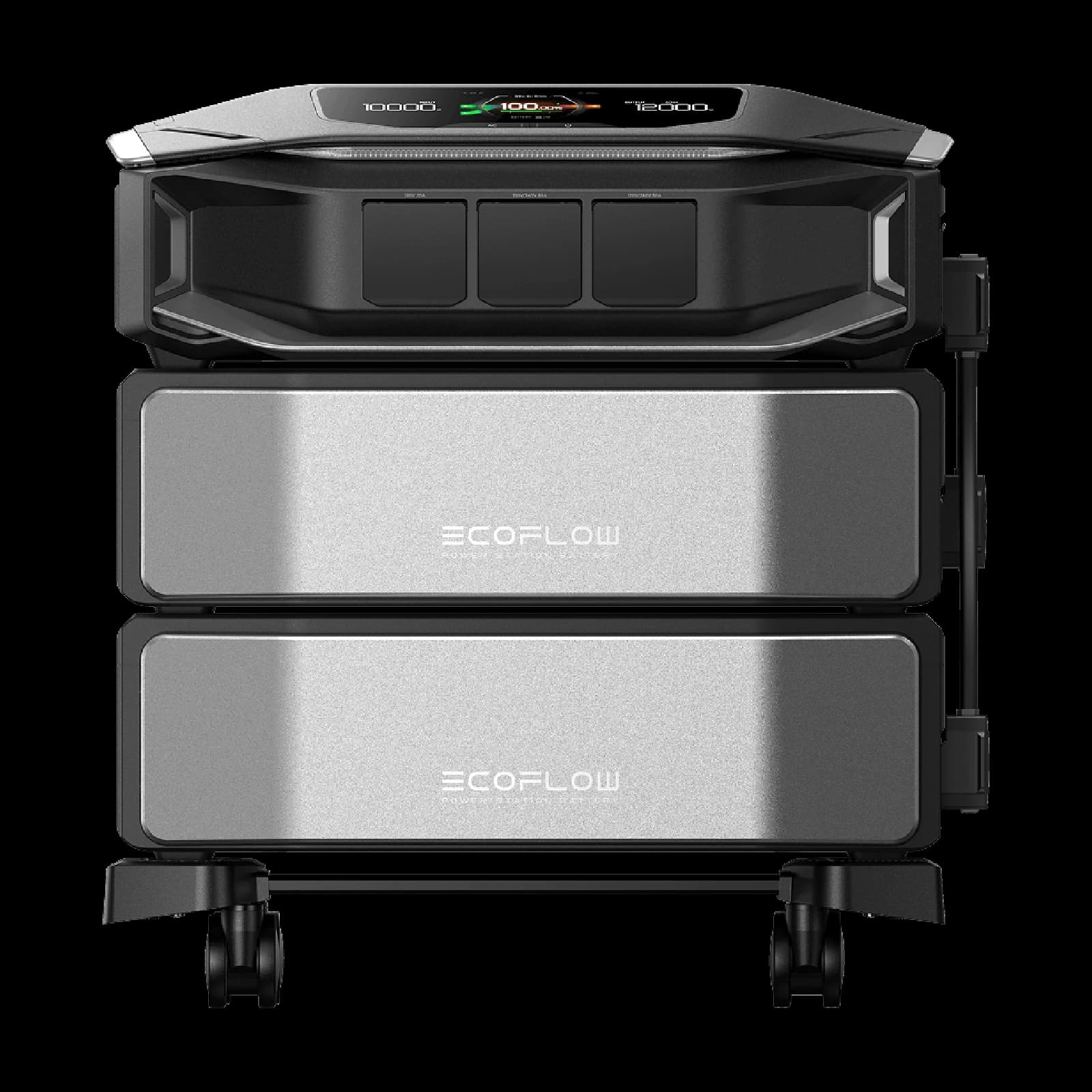
- Usable AC energy (est.)
10445 Whest.. Show source
estimated sourceus.ecoflow.com ↗2026-07-04- Continuous AC output
12000 W. Show source
claimed sourceus.ecoflow.com ↗2026-07-04
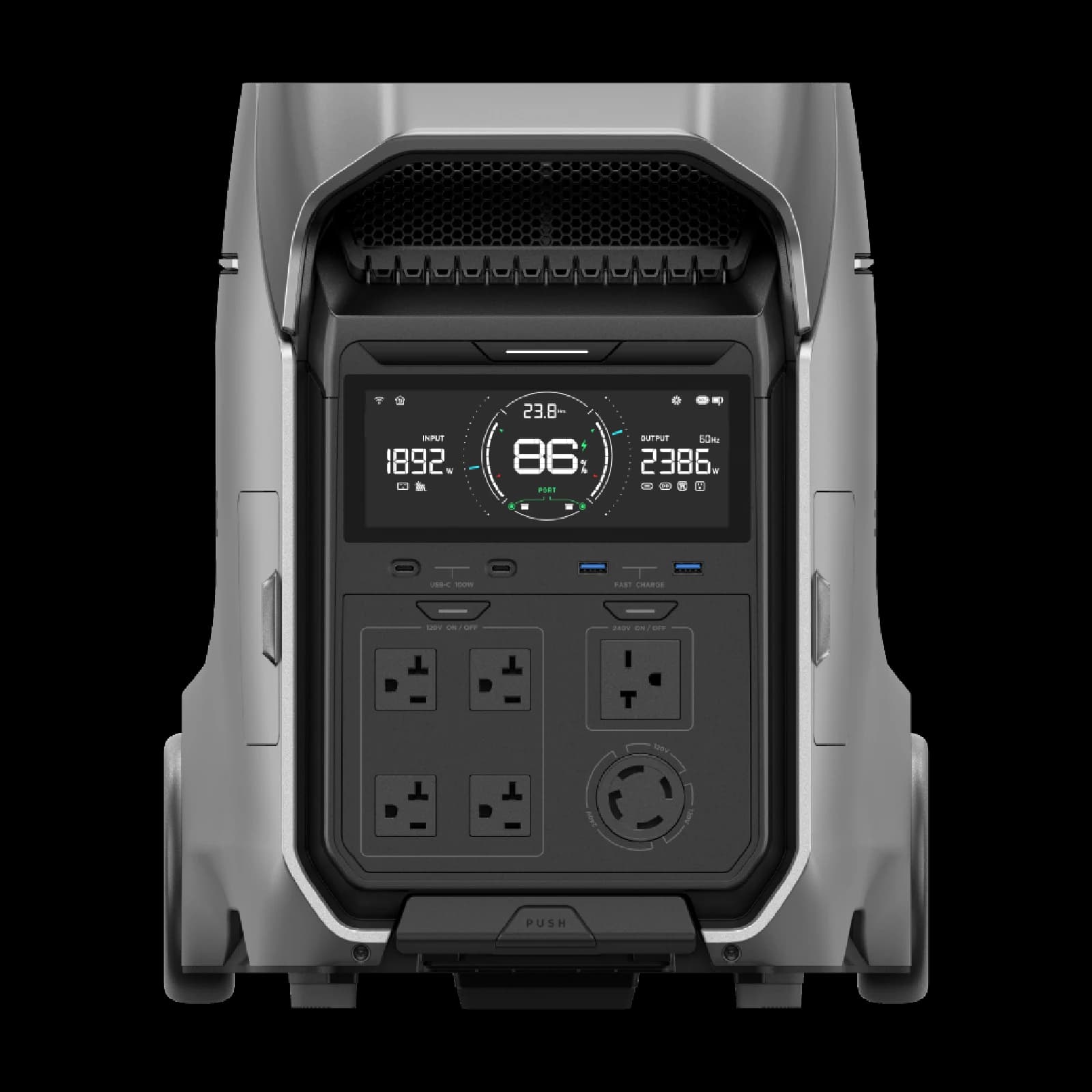
- Usable AC energy
3790 Whverified. Show source
verified source3790Wh usable at >93% efficiency (OutdoorGearLab) vs 4096 rated2026-07-04- Continuous AC output
4000 W. Show source
claimed sourceus.ecoflow.com ↗2026-07-04
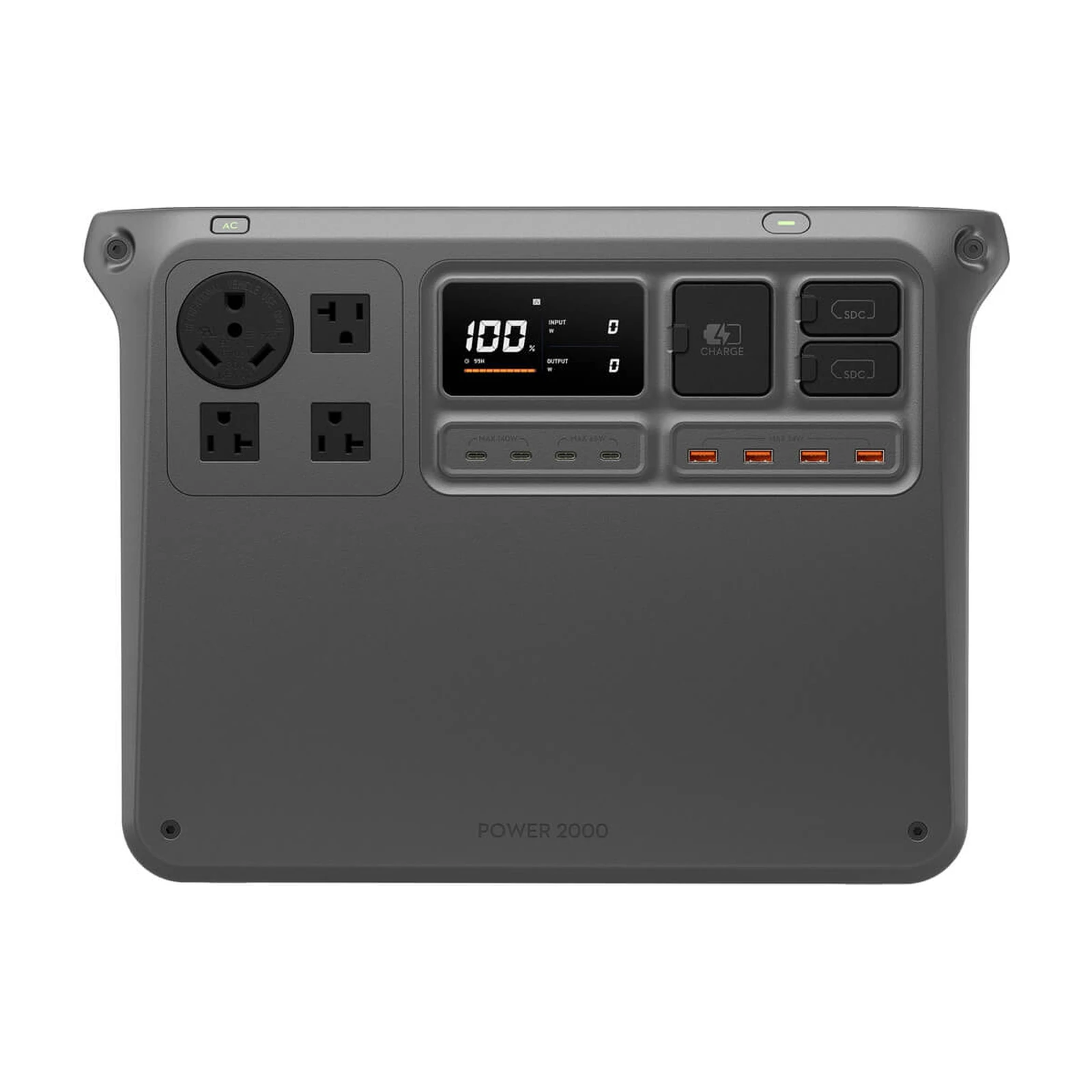
- Usable AC energy (est.)
1741 Whest.. Show source
estimated sourcedjiusa.com ↗2026-07-04- Continuous AC output
3000 W. Show source
claimed sourcedjiusa.com ↗2026-07-04
Generator vs battery, straight answers
- Is it cheaper to run a power station or a gas generator?
- On fuel alone, a grid-charged power station is far cheaper per kWh. A gas generator delivers roughly $1.36 per kWh at today's national gas price, because a small generator turns only a fraction of the fuel's energy into usable output. Charging a battery from the grid costs about $0.22 per kWh after round-trip losses — and from solar it's effectively free. This tool compares only running cost — what the hardware costs to buy is a separate question, and we do not publish purchase prices.
- Why does the generator cost so much more per kWh?
- Gasoline holds about 33.7 kWh of energy per gallon, but a small portable generator's overall efficiency at partial load is only around 10–15%, so it delivers roughly 3.3 usable kWh per gallon. At national pump prices that works out to several times the cost of grid electricity — before you count oil, maintenance, and the fumes that keep a generator outdoors.
- Does a power station ever cost more to run than a generator?
- Essentially never on fuel. Grid electricity is cheaper per delivered kWh than gasoline through a small generator in every U.S. state, and solar recharging is free after the panels. The generator's advantage is refueling for effectively unlimited runtime and high sustained output — not running cost. Where you need days of continuous multi-kilowatt output, gas still earns its place; for outages and camping, the battery wins on cost, noise, and indoor safety.
- Are these prices current?
- Yes — the electricity rate is the EIA U.S. residential average (as of 2026-05-25) and the gas price is the AAA U.S. average (as of 2026-05-26). We never hardcode a made-up energy price; both are sourced constants refreshed from their publishers, so the math tracks reality.