← Can it run?

Runtime evidence · sourced load

How Many Watts Does a Furnace Blower Use?

A furnace blower draws 233 W while running. 11 stations clear the capacity, inverter, and startup checks at that load.

Average draw
233 W
Source · 2026-07-20
Startup requirement
No separate surge figure sourced
Source · 2026-07-20
Stations passing
11
Current sourced catalog

By the BatteryRank Engineering Team

01 · Runtime ladder

Capacity steps, on the same load

Nominal capacity × depth of discharge × inverter efficiency ÷ sourced average draw.

Estimated runtime by portable power station capacity
Capacity classEstimated runtimeEvidence
300 Whstep 11 hrFurnace blower (1,000 CFM ECM) load · 2026-07-20
500 Whstep 21.6 hrFurnace blower (1,000 CFM ECM) load · 2026-07-20
1,000 Whstep 33.3 hrFurnace blower (1,000 CFM ECM) load · 2026-07-20
2,000 Whstep 46.6 hrFurnace blower (1,000 CFM ECM) load · 2026-07-20

These are comparison projections, not a promise. Temperature, inverter behavior, cycling, and the individual station's measured delivered capacity can change real runtime.

02 · Reading the numbers

What the furnace blower numbers leave out

How this load actually behaves

A gas furnace burns gas for heat and uses electricity only to move air, which is why a modest battery can keep a house warm through an outage that would defeat any attempt to heat electrically. The blower modelled here is an ECM — an electronically commutated motor that ramps up smoothly and holds about 233 W per 1,000 cfm of airflow.
Where buyers get this one wrong

Assuming every furnace has an ECM blower. Older PSC blower motors draw substantially more and start abruptly, and they are still extremely common. Check the furnace label before planning around this figure. The second mistake is the same one as with well pumps: a furnace is hardwired, so a transfer switch or interlock is part of the project.

What our figure does not cover

The 233 W figure comes from a DOE test of a compliant ECM unit at 1,000 cfm. Your furnace moves whatever air its blower is set for, and its label lists the actual amperage. Igniter and control-board draw are separate and brief.

03 · Passing stations

Three scenario-aware recommendations

Some links on this page are affiliate links. BatteryRank may earn a commission at no extra cost to you. Commission never affects whether a station passes these checks; when two stations tie on every measured criterion, the one with a live retail offer is shown.

Critical-load fit

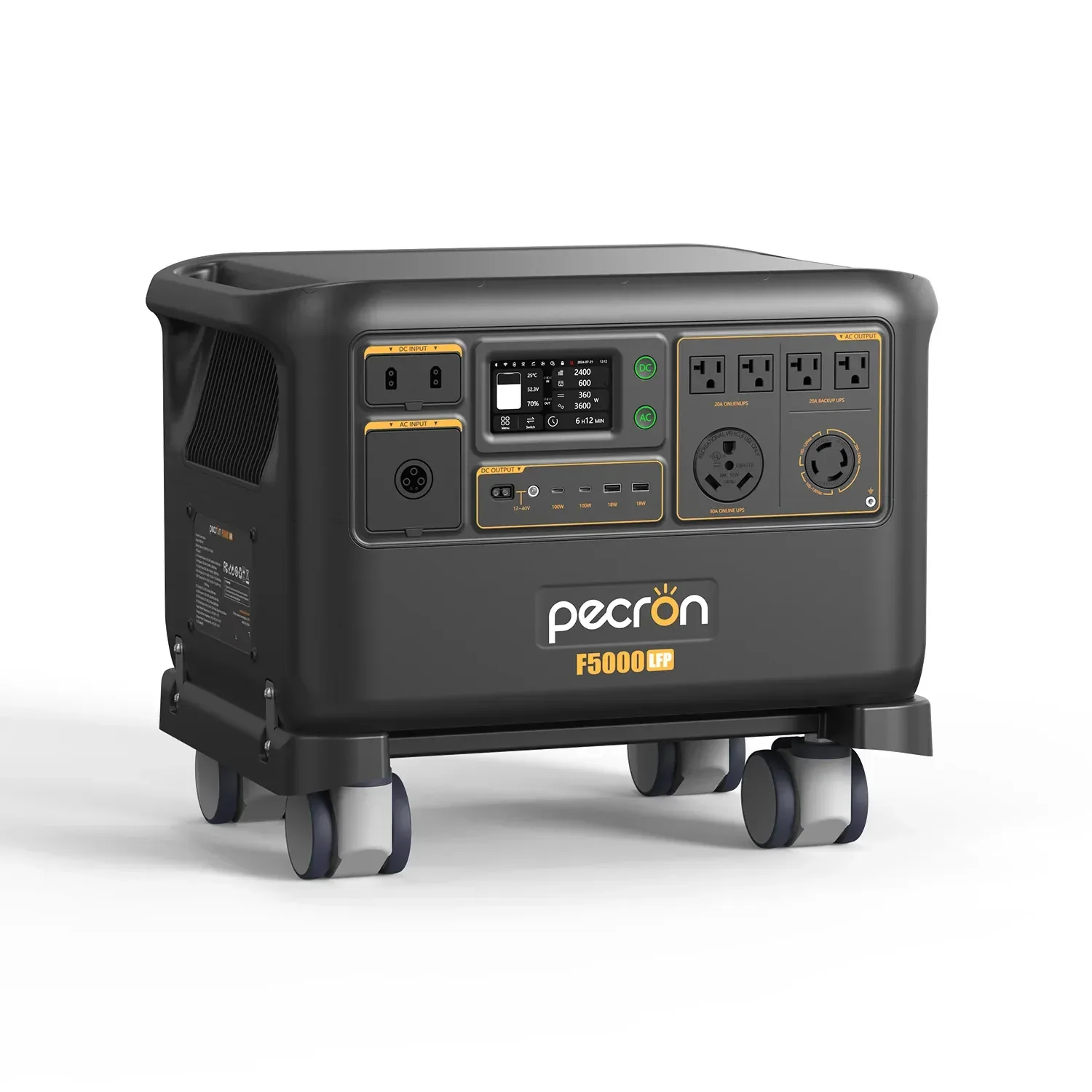
Pecron F5000LFP

Projected runtime
33.6 hr
Headroom
40.1%
Weight
56.2 kg

Why it fits

6,967 W above the plan's running load (7,200 W continuous output)

Main compromise

4,800 W below the highest output reserve across 11 eligible models

Open sourced model dossier →

Best all-round fit

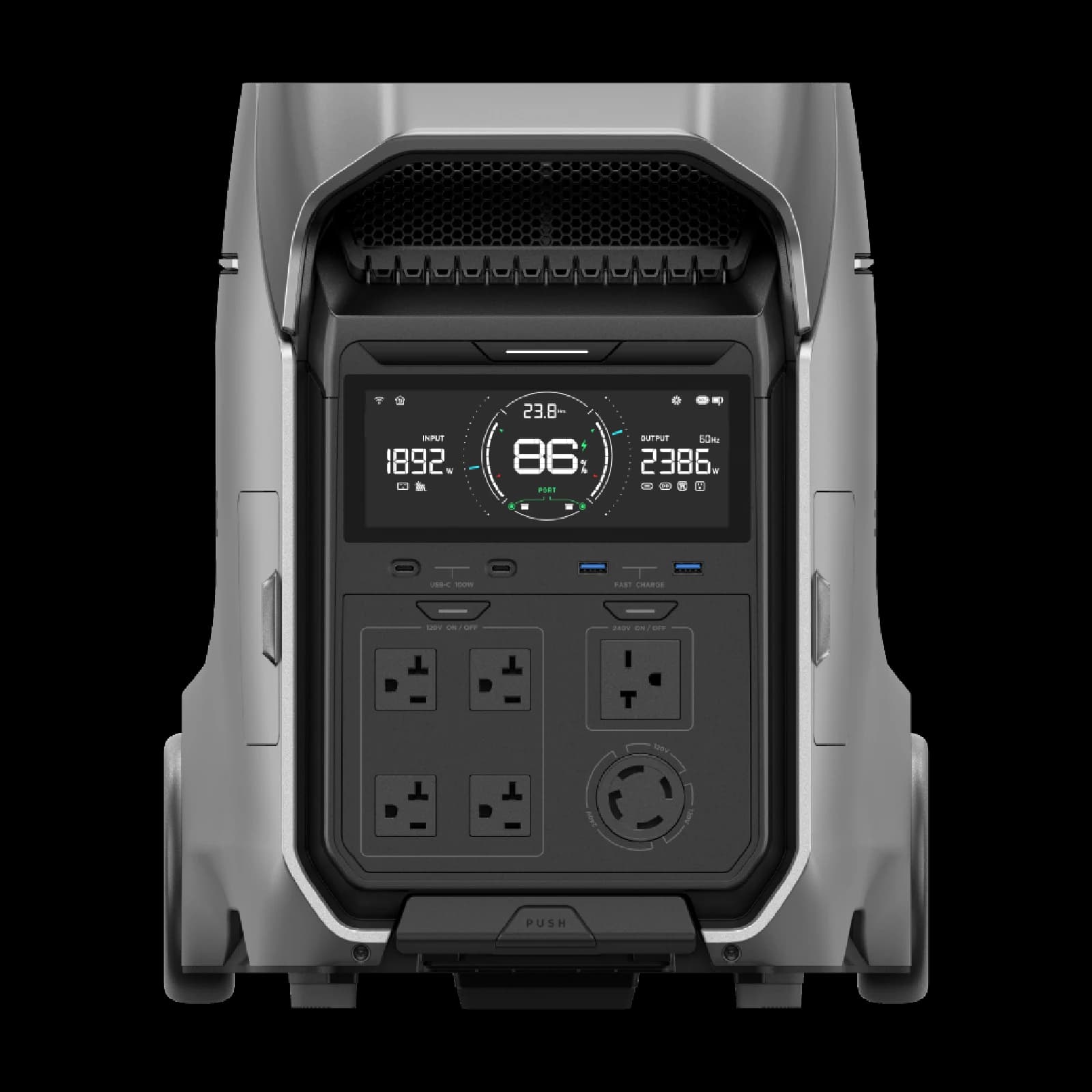
EcoFlow DELTA Pro 3

Projected runtime
32.5 hr
Headroom
35.6%
Weight
51.5 kg

Why it fits

75.6 BatteryRank score — the highest of any station that fits this plan

Main compromise

4 points below the highest-scoring eligible model across 11 eligible models

Open sourced model dossier →

Maximum useful reserve

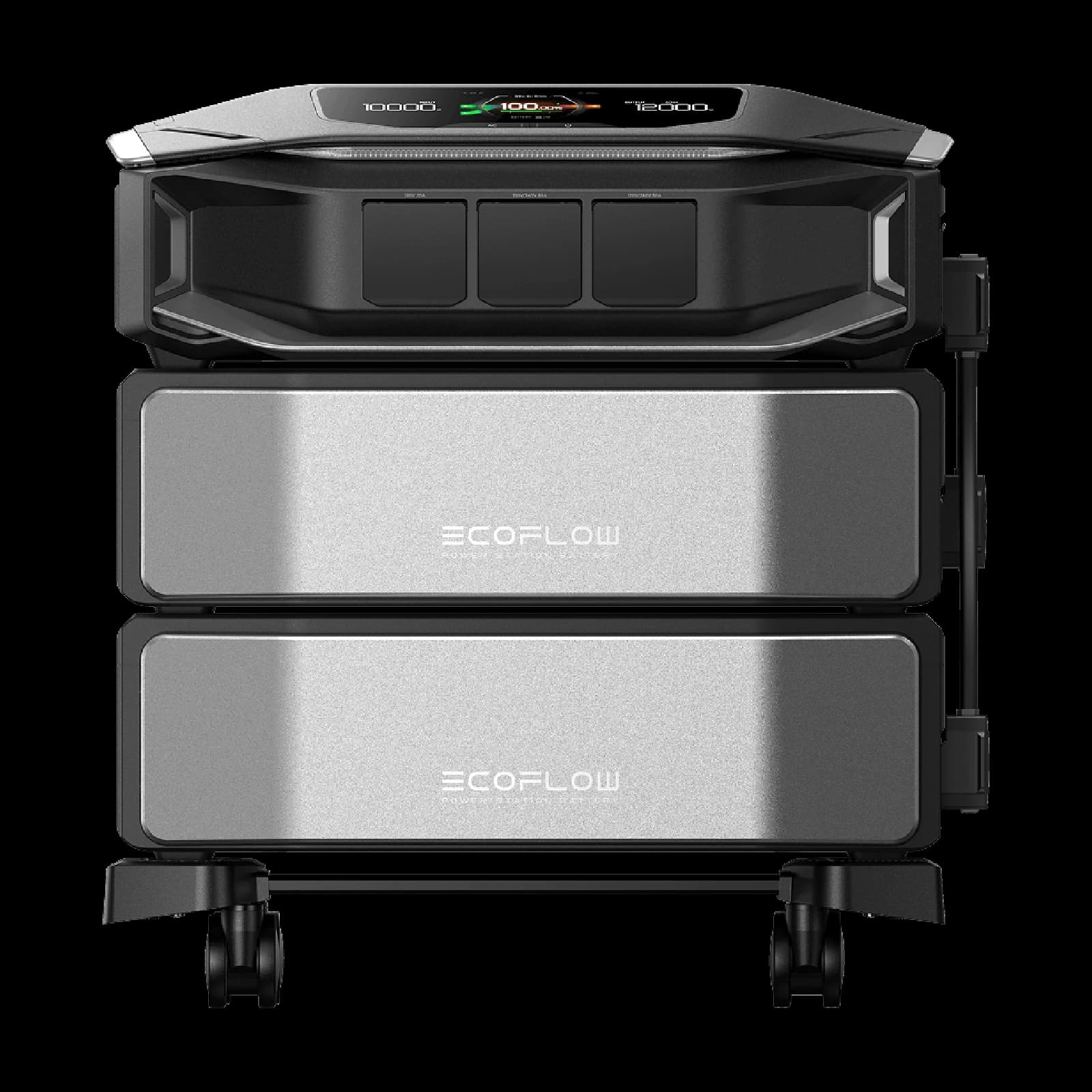
EcoFlow DELTA Pro Ultra X

Projected runtime
89.7 hr
Headroom
273.6%
Weight
135.5 kg

Why it fits

89.7 projected runtime hours

Main compromise

2,560 Wh below the largest sourced expanded reserve across 11 eligible models

Open sourced model dossier →

Explore passing models by projected runtime

This ordered data view is separate from the three recommended buying strategies above.

  1. 01EcoFlow DELTA Pro Ultra X89.7 hr
  2. 02EcoFlow DELTA Pro Ultra44.8 hr
  3. 03Zendure SuperBase V640042.3 hr
  4. 04Jackery Explorer 5000 Plus36.8 hr
  5. 05Pecron F5000LFP33.6 hr

Runtime uses each linked model's sourced capacity and output data; open its dossier for provenance.

Solar effect

400 W of panels on EcoFlow DELTA Pro Ultra X

Daily harvest
1,120 Wh
Daily balance
2,169 Wh deficit
Runtime with solar
5.7 days

Computed with this model's sourced solar-input limit and BatteryRank's published harvest assumptions. Check the solar method → · Model sources →

04 · Evidence record

Device assumptions used

Sourced running draw
233 W
Duty cycle
100%
Startup surge
No separate surge figure sourced
Independent measurement · 2026-07-20

Questions, answered from the same inputs

How Many Watts Does a Furnace Blower Use?
Yes. 11 stations in the current sourced catalog pass the capacity, inverter, and startup checks for the default runtime.
What power figure matters most for a furnace blower?
The sourced running draw determines both inverter fit and battery runtime. No separate real-watt startup figure is available from the cited source.
Can a portable power station run a gas furnace?
Frequently yes, and it is one of the best value propositions in backup power — you are buying electricity for a fan while the gas does the heating. An efficient ECM blower at a few hundred watts is a load most mid-size stations can carry for a long night.
How do I connect it without rewiring the house?
A licensed electrician installs a transfer switch or an interlock kit, and many also fit a dedicated furnace outlet. Cutting the furnace cord to add a plug is a common suggestion online and a genuinely bad idea.
What about the thermostat and the igniter?
Both are small compared to the blower — the igniter draws briefly at the start of each heating call, and the thermostat is negligible. The blower is the load that sizes the station.