Skip to content
← Can it run?

Runtime evidence · sourced load

How Many Watts Does an RV Refrigerator Use?

An RV refrigerator draws 17.5 W while running. 64 stations cover that running draw, but no source publishes a startup surge for the RV refrigerator (Dometic RC10 class) — so no station here can be confirmed to start it.

Average draw
17.5 W
Source · 2026-07-20
Startup requirement
Motor start — no published figure
Source · 2026-07-20
Cover running load
64
Startup surge unverified

01 · Runtime ladder

Capacity steps, on the same load

Nominal capacity × depth of discharge × inverter efficiency ÷ sourced average draw.

Estimated runtime by portable power station capacity
Capacity classEstimated runtimeEvidence
300 Whstep 113.1 hrRV refrigerator (Dometic RC10 class) load · 2026-07-20
500 Whstep 221.9 hrRV refrigerator (Dometic RC10 class) load · 2026-07-20
1,000 Whstep 343.7 hrRV refrigerator (Dometic RC10 class) load · 2026-07-20
2,000 Whstep 487.4 hrRV refrigerator (Dometic RC10 class) load · 2026-07-20

These are comparison projections, not a promise. Temperature, inverter behavior, cycling, and the individual station's measured delivered capacity can change real runtime.

Personalize the estimate

Use your appliance label or meter

Replace the representative load with a typical-day meter reading. Add the running and startup watts from your own label or meter to update the inverter checks. These entries only change this page view.

Sourced baseline: 17.5 W average from 50 W running at a 35% duty cycle. RV refrigerator (Dometic RC10 class) source · 2026-07-20 ↗

Blank uses the sourced default. Enter nameplate watts or a meter reading while the compressor or pump is running.

Leave blank to use a sourced figure when available. Enter real startup watts only from an OEM source or an inrush meter; an LRA amp rating is not a watt value.

Default follows this page's cited use case. Average energy is assumed to continue through this window.

Your adjusted estimate

Average load 17.5 W · running check 50 W

300 Wh nominal

13.1 hr

500 Wh nominal

21.9 hr

1,000 Wh nominal

43.7 hr

2,000 Wh nominal

87.4 hr

Runtime ladder uses the same comparison assumptions as the table above. Station-specific fit below uses each model's capacity and inverter data.

0 of 80 stations pass the capacity, running, and startup checks for 24 hr using published station specs; appliance startup remains unverified.

Startup remains unverified. 64 stations cover the entered energy and running watts, but none is counted as a confirmed start.

Station checks use data on linked model profiles. Temperature, compressor cycling, wiring, inverter behavior, and actual starting current can change results.

03 · Passing stations

Three scenario-aware recommendations

Some links on this page are affiliate links. BatteryRank may earn a commission at no extra cost to you. Commission never affects whether a station passes these checks; when two stations tie on every measured criterion, the one with a live retail offer is shown.

Output-capable fit

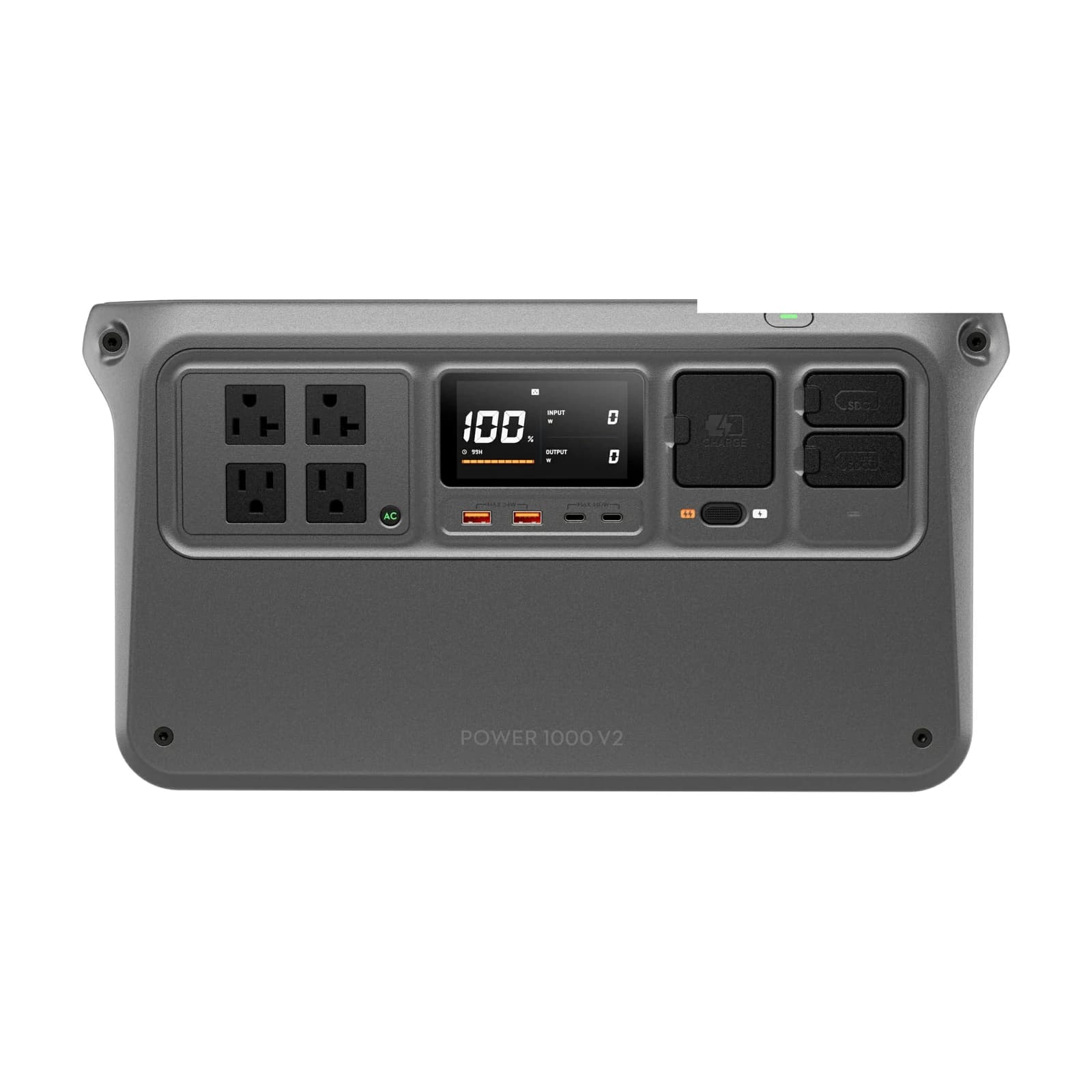
DJI Power 1000 V2

Projected runtime
49.7 hr
Headroom
107.2%
Weight
14 kg

Why it fits

2,550 W above the plan's running load (2,600 W continuous output)

Main compromise

9,400 W below the highest output reserve across 64 eligible models
Open sourced model dossier →

Best all-round reserve

EcoFlow DELTA 3 Plus

Projected runtime
49.7 hr
Headroom
107.2%
Weight
12.5 kg

Why it fits

72 BatteryRank score, considered alongside this role's capacity and output requirements

Main compromise

7.7 points below the highest-scoring eligible model (63 of 64 eligible models have this sourced value)

Open sourced model dossier →

Extended reserve

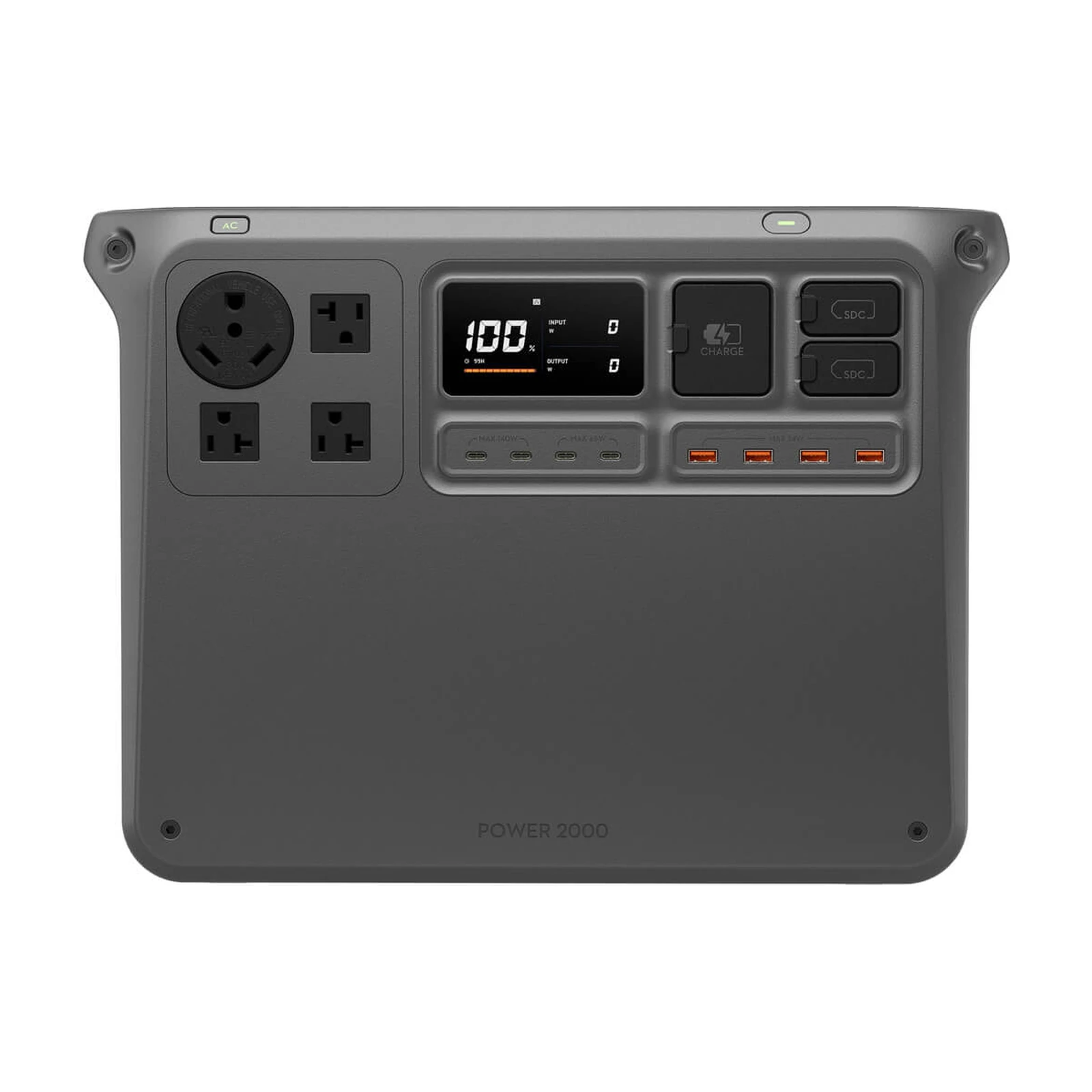
DJI Power 2000

Projected runtime
99.5 hr
Headroom
314.5%
Weight
22 kg

Why it fits

99.5 projected runtime hours

Main compromise

497.4 hours less projected runtime than the longest-running eligible model across 64 eligible models

Open sourced model dossier →

Explore passing models by projected runtime

This ordered data view is separate from the three recommended buying strategies above.

  1. 01EcoFlow DELTA Pro Ultra X596.8 hr
  2. 02EcoFlow DELTA Pro Ultra298.4 hr
  3. 03Zendure SuperBase V6400281.4 hr
  4. 04Jackery Explorer 5000 Plus244.8 hr
  5. 05Pecron F5000LFP223.8 hr

Runtime uses each linked model's sourced capacity and output data; open its dossier for provenance.

Solar effect

400 W of panels on EcoFlow DELTA Pro Ultra X

Daily harvest
1,120 Wh
Daily balance
Load covered
Runtime with solar
Indefinite in model

Computed with this model's sourced solar-input limit and BatteryRank's published harvest assumptions. Check the solar method → · Model sources →

04 · Evidence record

Device assumptions used

Sourced running draw
50 W
Duty cycle
35%
Startup surge
No separate surge figure sourced
Manufacturer spec · 2026-07-20 ↗

Questions, answered from the same inputs

How Many Watts Does an RV Refrigerator Use?
Only partly. 64 stations in the current sourced catalog cover the running draw and daily energy, but this is a motor/compressor load whose startup surge no cited source publishes — so BatteryRank does not report any station as able to start it.
What power figure matters most for an RV refrigerator?
The startup surge does, and it is the figure nobody publishes for this load. Running draw sets battery runtime, but a motor or compressor can demand several times that for the first moments of a start, so a station that matches the running watts can still fail to start it. Measure the real inrush with a clamp meter before relying on any station.