← All use cases

Calculated scenario · sourced manifest

Portable Power for Boondocking

13 stations cover the sourced energy and running load; 66 fail at least one check. No source publishes a startup surge for RV refrigerator (Dometic RC10 class), so this plan cannot confirm any station will start it.

Energy per day
884 Wh
Sourced manifest ↓
Running load
1,055 W
Sourced manifest ↓
Worst-start surge
1,055 W
Sourced manifest ↓
Required delivered energy
2,651 Wh
Sourced manifest ↓
Stations passing
13
Sourced manifest ↓
Stations failing
66
Sourced manifest ↓
Edit this plan in the sizing tool →

By the BatteryRank Engineering Team

01 · Load manifest

Every load in the calculation

Average draw applies each sourced duty cycle; energy is average draw × quantity × daily hours × scenario days.

Sourced device loads and calculated energy
DeviceQuantityHours / dayAverage drawScenario energySource
RV refrigerator (Dometic RC10 class)DC12417.5 W1,260 WhSource · 2026-07-20
Portable fan (10-inch)AC1820 W480 WhSource · 2026-07-06
LED camping lanternAC265 W180 WhSource · 2026-07-06
Coffee maker, 12-cup drip (while brewing)AC10.3975 W731.3 WhSource · 2026-07-20

02 · Reading the plan

What the numbers for boondocking leave out

What this situation actually demands

Two appliances on this plan point in opposite directions, and each one sizes a different half of the purchase. The coffee maker is 975 W of the 1,055 W this manifest can demand at once, so it alone sets the inverter — and it runs for fifteen minutes, spends 244 Wh, and sets nothing else. The RV refrigerator is 50 W, a draw no station in the catalogue would notice at any instant, and it is the one that decides the battery, because it never stops: 420 Wh accumulated a day at under 5% of the load the inverter has to survive anyway. Size the inverter on the coffee and the battery on the cold box, and the two stop competing for the same budget.

Where these plans go wrong

Assuming three days off-grid resembles three days without grid power at home. It does not. This whole trip is 2,651 Wh, under a third of what the same duration costs in a house, because an RV cold box is a fraction of a domestic refrigerator and nothing on this manifest heats or pumps anything. The mistake that follows is shopping on trip length: duration is the cheapest variable here — a fourth night adds 884 Wh — while the coffee maker's 975 W is a gate a station either clears or does not, and no extra capacity changes that.

What this plan does not model

The 400 W array in this plan gathers about 1,120 Wh on a modelled day against an 884 Wh appetite, and that surplus is the most fragile figure on the page: it assumes an unshaded panel under a clear sky, and boondocking sites get chosen for trees, canyons, and views at least as often as for sun. The refrigerator figure is a steady-state duty at moderate ambient temperature, which a rig parked in August is not. And no source publishes a startup surge for that compressor, so the running total is a floor rather than a proven requirement.

03 · Station picks

Three ways to cover the plan

Some links on this page are affiliate links. BatteryRank may earn a commission at no extra cost to you. Commission never affects whether a station passes these checks; when two stations tie on every measured criterion, the one with a live retail offer is shown.

Lightweight fit

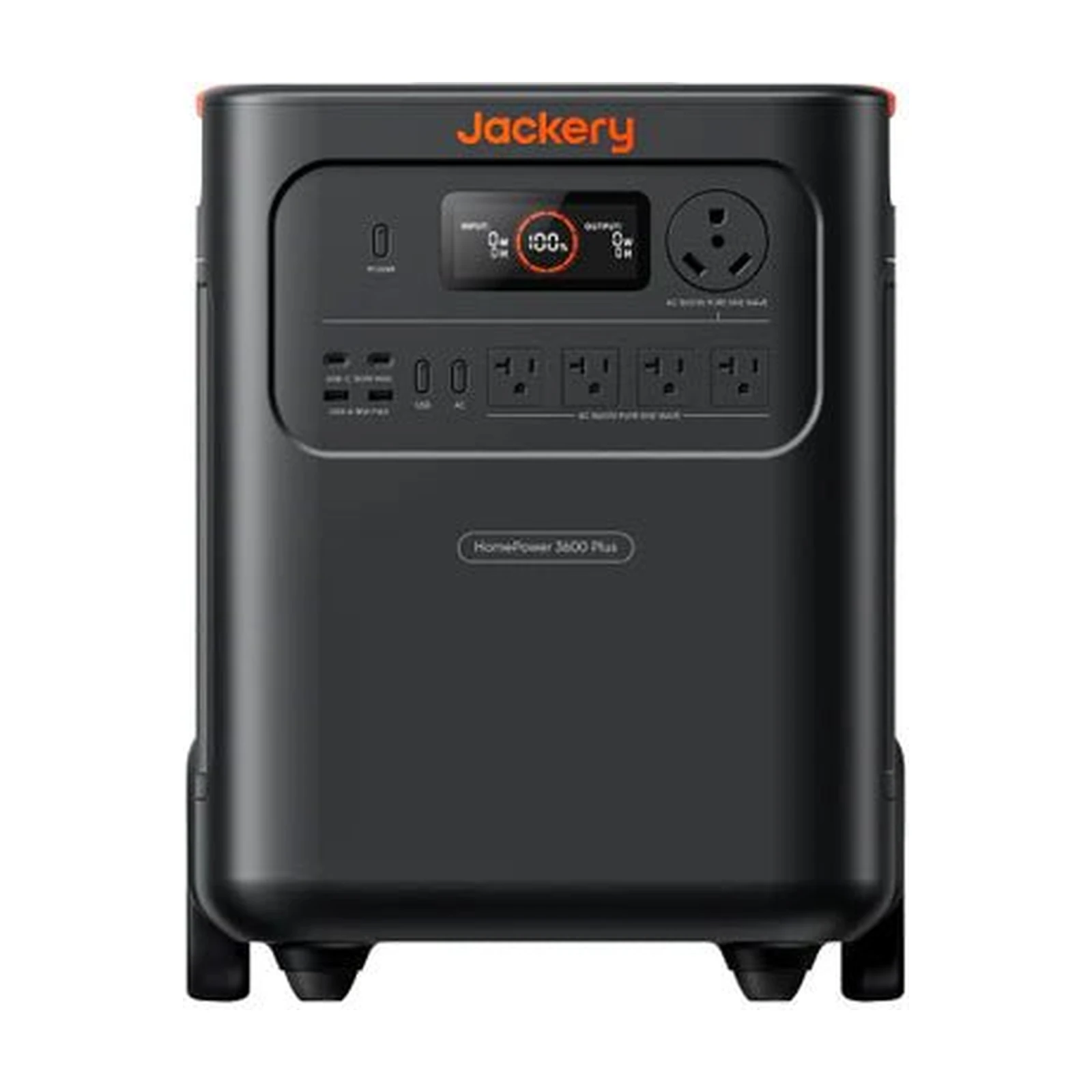
Jackery HomePower 3600 Plus

Projected runtime
3.5 days
Headroom
18%
Weight
35 kg

Why it fits

35 kg, 20 kg above the 15 kg preferred limit

Main compromise

8 kg heavier than the lightest eligible model (12 of 13 eligible models have this sourced value)

Open sourced model dossier →

Best all-round fit

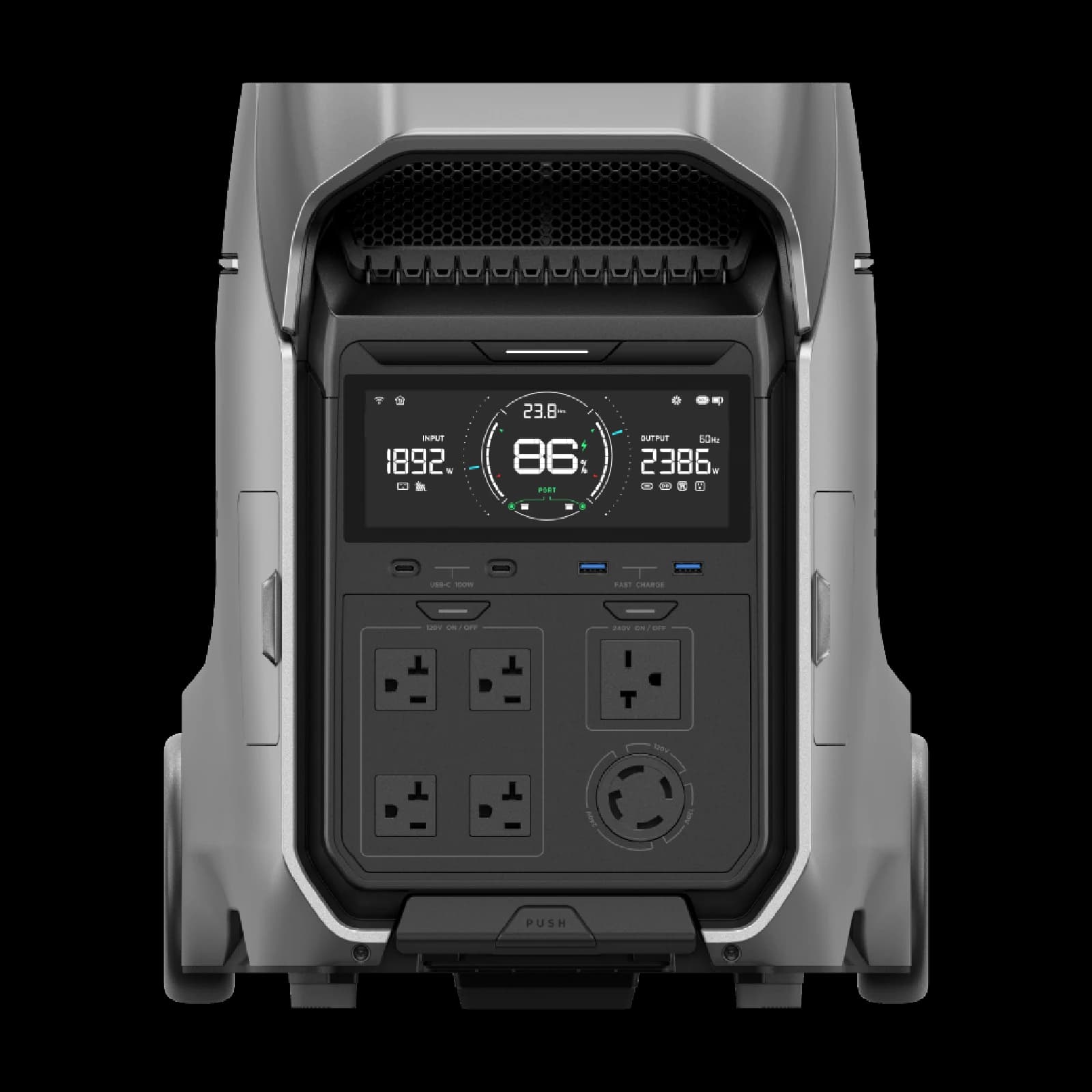
EcoFlow DELTA Pro 3

Projected runtime
4.4 days
Headroom
46.8%
Weight
51.5 kg

Why it fits

75.6 BatteryRank score — the highest of any station that fits this plan

Main compromise

4 points below the highest-scoring eligible model across 13 eligible models

Open sourced model dossier →

Longer off-grid stay

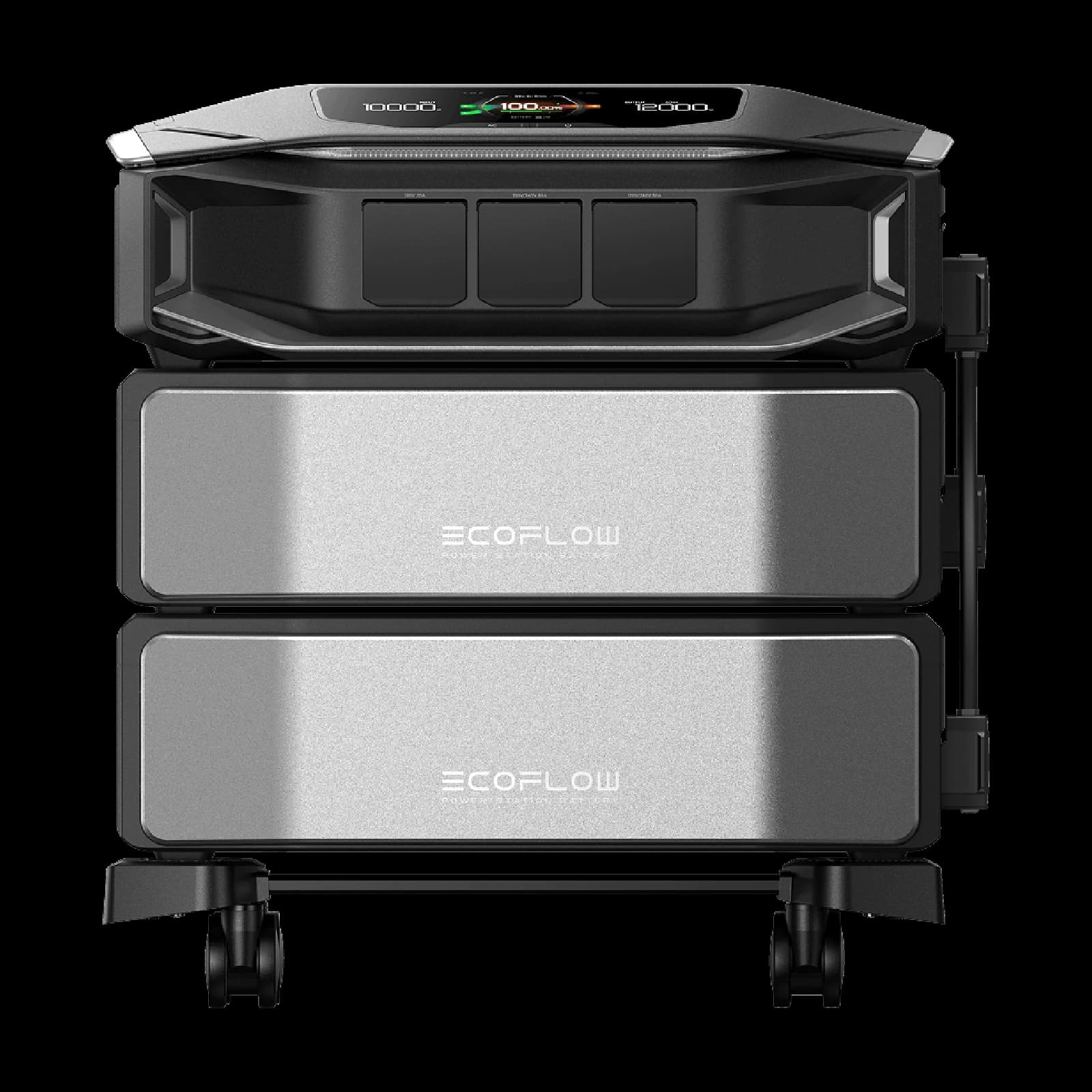
EcoFlow DELTA Pro Ultra X

Projected runtime
12.1 days
Headroom
304.6%
Weight
135.5 kg

Why it fits

12.1 projected runtime days

Main compromise

2,560 Wh below the largest sourced expanded reserve (12 of 13 eligible models have this sourced value)

Open sourced model dossier →

Solar balance

What recharging changes

On EcoFlow DELTA Pro Ultra X, the configured 400 W array harvests 1,120 Wh/day.

The modeled daily load is covered.

Review the published solar method →

Explore passing models by projected runtime

This ordered data view is separate from the three recommended buying strategies above.

  1. 01EcoFlow DELTA Pro Ultra X12.1 days
  2. 02EcoFlow DELTA Pro Ultra6.1 days
  3. 03Zendure SuperBase V64005.7 days
  4. 04Jackery Explorer 5000 Plus5 days
  5. 05Pecron F5000LFP4.6 days

Complete kits

Questions from the same calculation

How much power do you need for boondocking?
2,651 Wh of delivered energy over 3 days, drawing 1,055 W if every device runs at once. RV refrigerator (Dometic RC10 class) alone is 48% of that energy, so it is the load worth measuring first — the rest of the manifest barely moves the answer.
What decides whether a station can start this setup?
Nothing in this manifest has a motor or compressor start above its running draw, so the 1,055 W continuous figure is the real inverter requirement. That is unusual — most outage plans are gated by a startup spike rather than by running watts.
Does running the DC loads on 12 V actually change the result?
Yes. RV refrigerator (Dometic RC10 class) is planned on the station's DC output, which skips the inverter conversion entirely. The same hardware on an AC outlet would draw the same work from the battery plus the conversion overhead, and over 3 days that difference compounds.
Can I leave the coffee maker behind and buy a smaller station?
It is the single biggest change available here. Dropping it takes the running load from 1,055 W to 80 W, which is a whole inverter class, and the day from 884 Wh to 640 Wh, which is almost nothing. The energy saving is not the point — the point is that a pot brewed on the propane stove removes the only load on this plan that asks for a big inverter.
Does a 400 W array mean I never run out?
On a modelled sunny day the arithmetic says yes: 1,120 Wh in against 884 Wh out finishes the day 236 Wh ahead. But a 236 Wh margin is not a margin worth the name — one overcast morning, one shaded pitch, or one day nobody repoints the panel and the plan is drawing down instead. Treat the array as what makes a long trip possible and the battery as what makes a bad week survivable.
Which of these loads is worth rationing?
Almost none of them, which is the unusual answer here. The fan is 160 Wh a night and the two lanterns are 60 Wh between them — together just under a quarter of the day, and the two things that make a hot night bearable. The refrigerator is 420 Wh and it is the food. On a plan this small, rationing buys back less than repointing the solar panel once does.