← Can it run?

Runtime evidence · sourced load

How Many Watts Does a Window AC Use?

A window AC draws 390 W while running, and 1,800 W at startup. 8 stations clear the capacity, inverter, and startup checks at that load.

Average draw
390 W
Source · 2026-07-06
Startup requirement
1,800 W
Source · 2026-07-06
Stations passing
8
Current sourced catalog

By the BatteryRank Engineering Team

01 · Runtime ladder

Capacity steps, on the same load

Nominal capacity × depth of discharge × inverter efficiency ÷ sourced average draw.

Estimated runtime by portable power station capacity
Capacity classEstimated runtimeEvidence
300 Whstep 10.6 hrWindow AC (8,000 BTU) load · 2026-07-06
500 Whstep 21 hrWindow AC (8,000 BTU) load · 2026-07-06
1,000 Whstep 32 hrWindow AC (8,000 BTU) load · 2026-07-06
2,000 Whstep 43.9 hrWindow AC (8,000 BTU) load · 2026-07-06

These are comparison projections, not a promise. Temperature, inverter behavior, cycling, and the individual station's measured delivered capacity can change real runtime.

02 · Reading the numbers

What the window AC numbers leave out

How this load actually behaves

An 8,000 BTU window unit runs at roughly 650 W once the compressor is turning, cycles about 60% of the time to hold a set temperature, and spikes to about 1,800 W at each compressor start. That spike is the whole story: it is nearly three times the running draw, and it repeats every time the thermostat closes.
Where buyers get this one wrong

Reading "650 W" and buying a 1,000 W station. It will not start the unit — not once, not on a good day. The other common error is assuming an inverter-driven or "soft start" model behaves the same way: those ramp the compressor and can cut the surge dramatically, which is a genuinely different sizing problem from the conventional unit modelled here.

What our figure does not cover

This models a conventional single-speed 8,000 BTU unit. Larger units scale up roughly with capacity, and inverter-compressor models break the pattern entirely. If your unit is labelled inverter or variable-speed, treat the surge figure here as a ceiling, not a prediction.

03 · Passing stations

Three scenario-aware recommendations

Some links on this page are affiliate links. BatteryRank may earn a commission at no extra cost to you. Commission never affects whether a station passes these checks; when two stations tie on every measured criterion, the one with a live retail offer is shown.

Critical-load fit

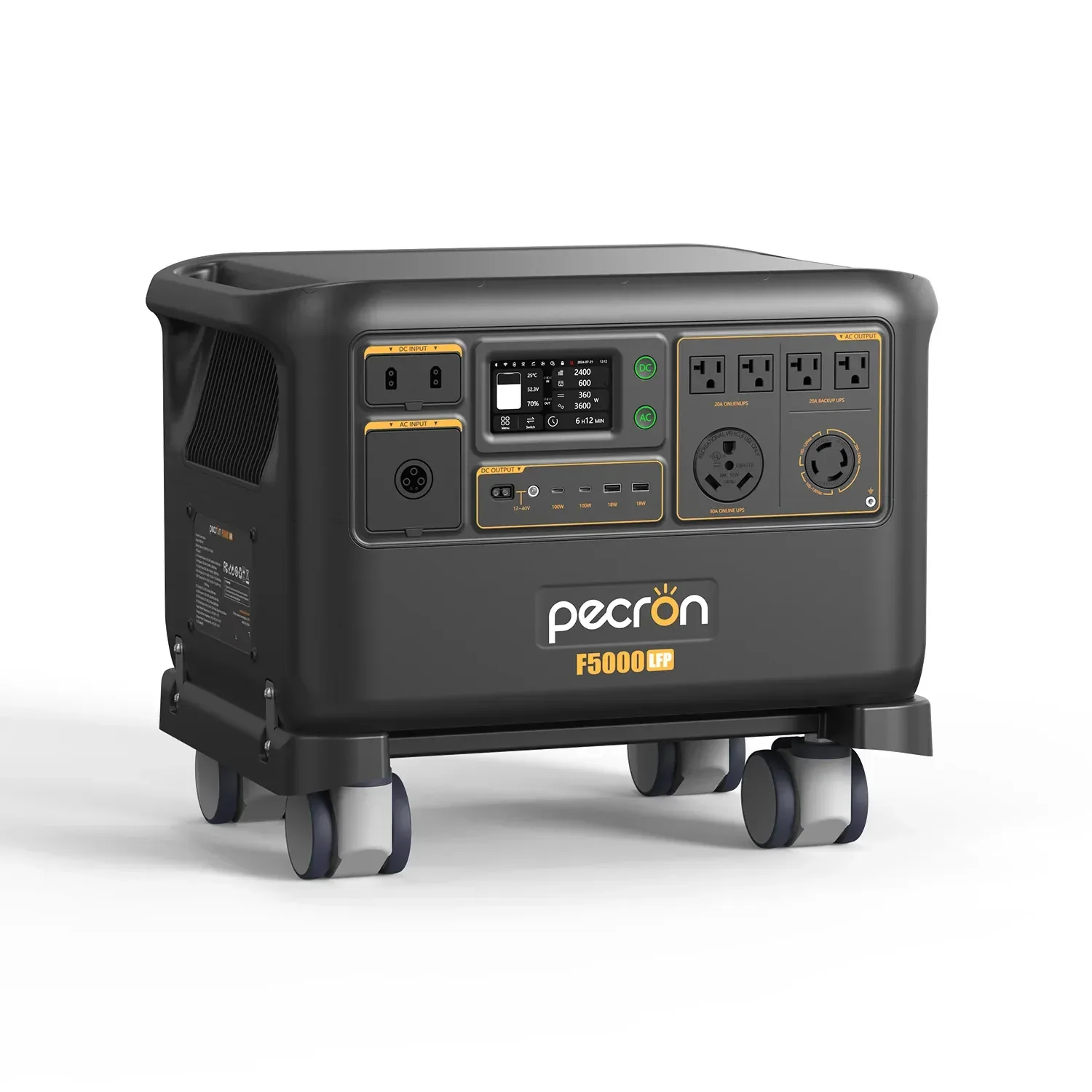
Pecron F5000LFP

Projected runtime
30.1 hr
Headroom
25.5%
Weight
56.2 kg

Why it fits

6,550 W above the plan's running load (7,200 W continuous output)

Main compromise

4,800 W below the highest output reserve across 8 eligible models

Open sourced model dossier →

Best all-round fit

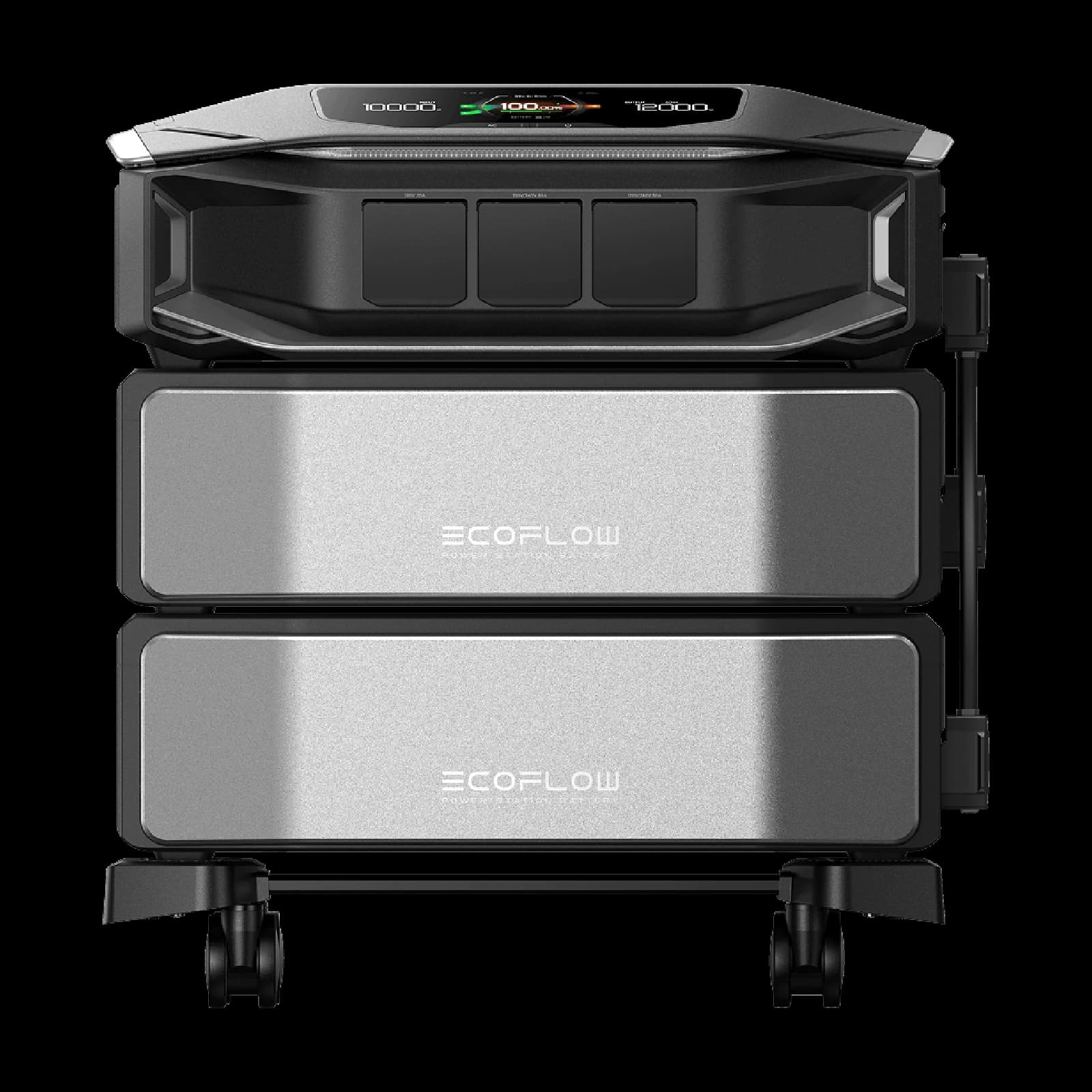
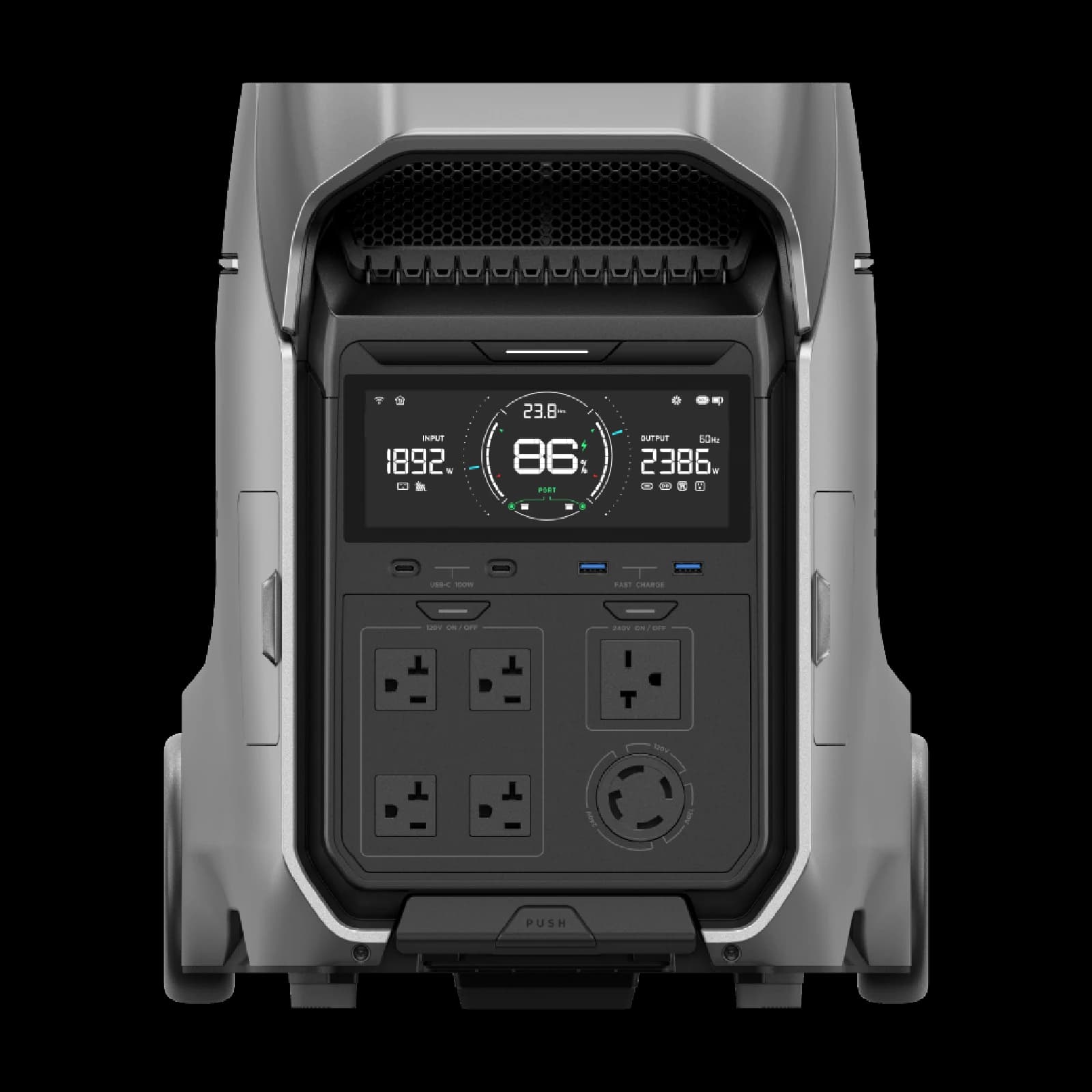
EcoFlow DELTA Pro 3

Projected runtime
29.2 hr
Headroom
21.5%
Weight
51.5 kg

Why it fits

75.6 BatteryRank score — the highest of any station that fits this plan

Main compromise

4 points below the highest-scoring eligible model across 8 eligible models

Open sourced model dossier →

Maximum useful reserve

EcoFlow DELTA Pro Ultra X

Projected runtime
80.3 hr
Headroom
234.8%
Weight
135.5 kg

Why it fits

80.3 projected runtime hours

Main compromise

2,560 Wh below the largest sourced expanded reserve across 8 eligible models

Open sourced model dossier →

Explore passing models by projected runtime

This ordered data view is separate from the three recommended buying strategies above.

  1. 01EcoFlow DELTA Pro Ultra X80.3 hr
  2. 02EcoFlow DELTA Pro Ultra40.2 hr
  3. 03Zendure SuperBase V640037.9 hr
  4. 04Jackery Explorer 5000 Plus33 hr
  5. 05Pecron F5000LFP30.1 hr

Runtime uses each linked model's sourced capacity and output data; open its dossier for provenance.

Solar effect

400 W of panels on EcoFlow DELTA Pro Ultra X

Daily harvest
1,120 Wh
Daily balance
2,551 Wh deficit
Runtime with solar
4.8 days

Computed with this model's sourced solar-input limit and BatteryRank's published harvest assumptions. Check the solar method → · Model sources →

04 · Evidence record

Device assumptions used

Sourced running draw
650 W
Duty cycle
60%
Startup surge
1,800 W
Manufacturer spec · 2026-07-06

Questions, answered from the same inputs

How Many Watts Does a Window AC Use?
Yes. 8 stations in the current sourced catalog pass the capacity, inverter, and startup checks for the default runtime.
What power figure matters most for a window AC?
Average draw determines battery runtime, while the sourced startup requirement must stay within the station inverter's surge capability.
Can a 1,000 W power station run an 8,000 BTU air conditioner?
No. It matches the running draw and fails the ~1,800 W compressor start, so the unit either never starts or trips the inverter within a second of trying.
Would a soft-start device change the answer?
Often yes — soft starters exist precisely to cut compressor inrush, and they are common in the RV world for exactly this reason. We do not model one here because the reduction depends on the specific starter and compressor pairing, and we will not publish a number we cannot source.
How long can a station actually run one?
Less time than most buyers expect. At roughly 390 W averaged across its duty cycle, an air conditioner is the single most demanding appliance most households will try to put on a portable battery — a 2 kWh station is measured in hours, not days.