← All use cases

Calculated scenario · sourced manifest

Portable Power for Overlanding

18 stations pass every configured check; 61 fail at least one.

Energy per day
744 Wh
Sourced manifest ↓
Running load
160 W
Sourced manifest ↓
Worst-start surge
160 W
Sourced manifest ↓
Required delivered energy
2,232 Wh
Sourced manifest ↓
Stations passing
18
Sourced manifest ↓
Stations failing
61
Sourced manifest ↓
Edit this plan in the sizing tool →

By the BatteryRank Engineering Team

01 · Load manifest

Every load in the calculation

Average draw applies each sourced duty cycle; energy is average draw × quantity × daily hours × scenario days.

Sourced device loads and calculated energy
DeviceQuantityHours / dayAverage drawScenario energySource
12V camping fridge (45L)DC12413.5 W972 WhSource · 2026-07-06
Starlink (Standard kit)AC1475 W900 WhSource · 2026-07-06
Camera batteries (dual professional charger)AC1230 W180 WhSource · 2026-07-20
LED camping lanternAC265 W180 WhSource · 2026-07-06

02 · Reading the plan

What the numbers for overlanding leave out

What this situation actually demands

Three days of this costs 2,232 Wh, which is exactly what a single day of keeping a domestic refrigerator and a chest freezer alive costs on this site's home-outage plan. That is the scale worth carrying into the shopping: an overland trip is not a smaller version of a house, it is a different order of magnitude. And the two lines that matter are nearly tied — the cold box at 324 Wh and the dish at 300 Wh — so there is no single load to optimise here, while the 120 Wh the camera charging and the lanterns take between them is genuinely ignorable.

Where these plans go wrong

Sizing the battery as though it were the fuel tank. The modelled 200 W array gathers 560 Wh against a 744 Wh day, covering three-quarters of it and leaving a net drain of 184 Wh, so across the full three days this plan takes 552 Wh out of storage — under a quarter of its own headline total. The station stops being a tank and becomes a buffer, and buffers get chosen for how fast they refill and how well they hold through a night, not for how many watt-hours are printed on the case.

What this plan does not model

An overland trip has two charging inputs and this plan models one. The panel figure assumes a clear sky and somebody who actually repositions it; the alternator turning every time the vehicle moves is not in the arithmetic at all, because BatteryRank has no sourced data on DC-to-DC chargers and will not rank hardware it cannot measure — so a driving day quietly makes this plan easier than the page says. The same assumption fails the other way just as fast: a run of overcast days turns that 184 Wh net drain back into the full 744 Wh, and then the three-day total is the only number that matters.

03 · Station picks

Three ways to cover the plan

Some links on this page are affiliate links. BatteryRank may earn a commission at no extra cost to you. Commission never affects whether a station passes these checks; when two stations tie on every measured criterion, the one with a live retail offer is shown.

Lightweight fit

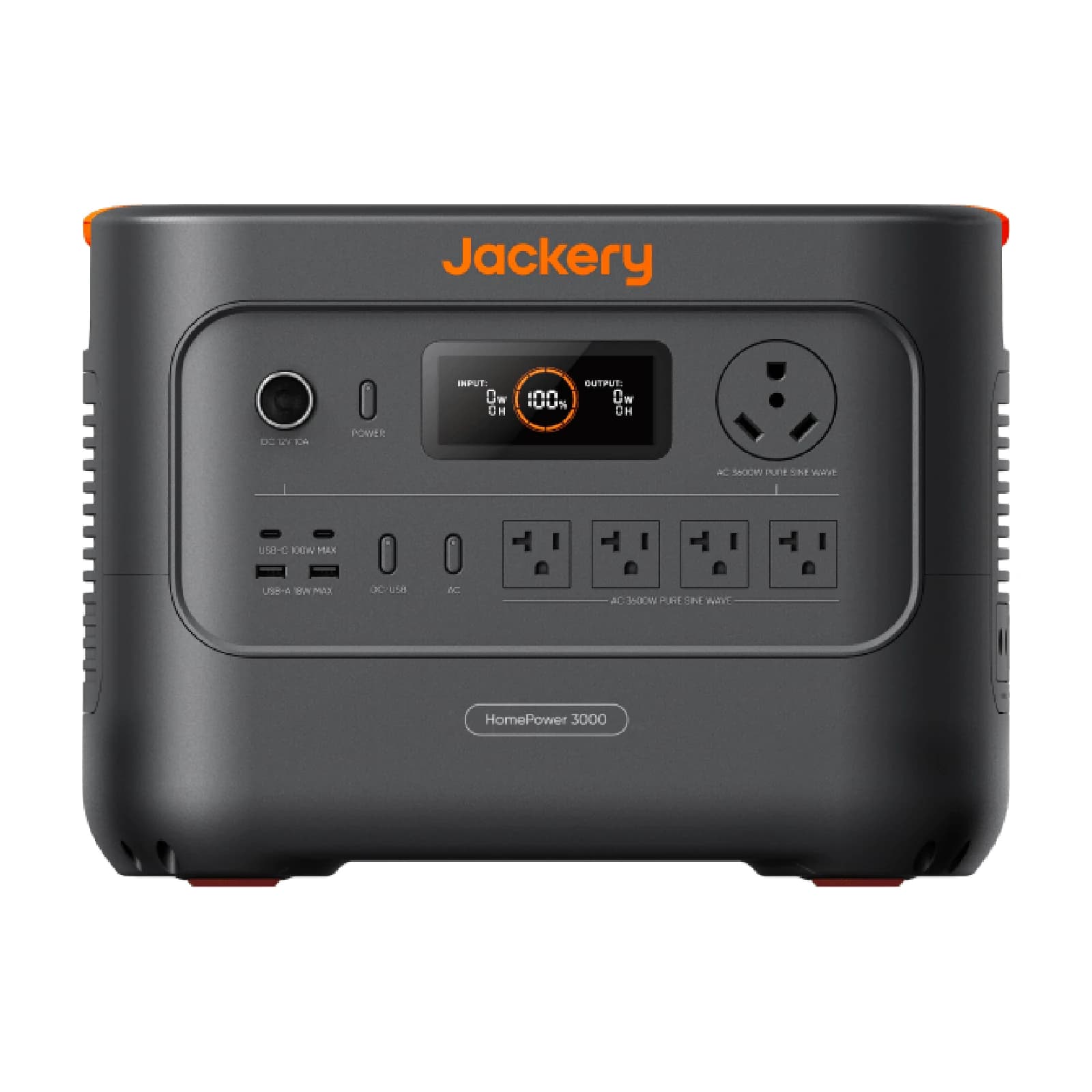
Jackery HomePower 3000

Projected runtime
3.6 days
Headroom
19.9%
Weight
27 kg

Why it fits

27 kg, 12 kg above the 15 kg preferred limit

Main compromise

1.2 kg heavier than the lightest eligible model (17 of 18 eligible models have this sourced value)

Open sourced model dossier →

Best all-round fit

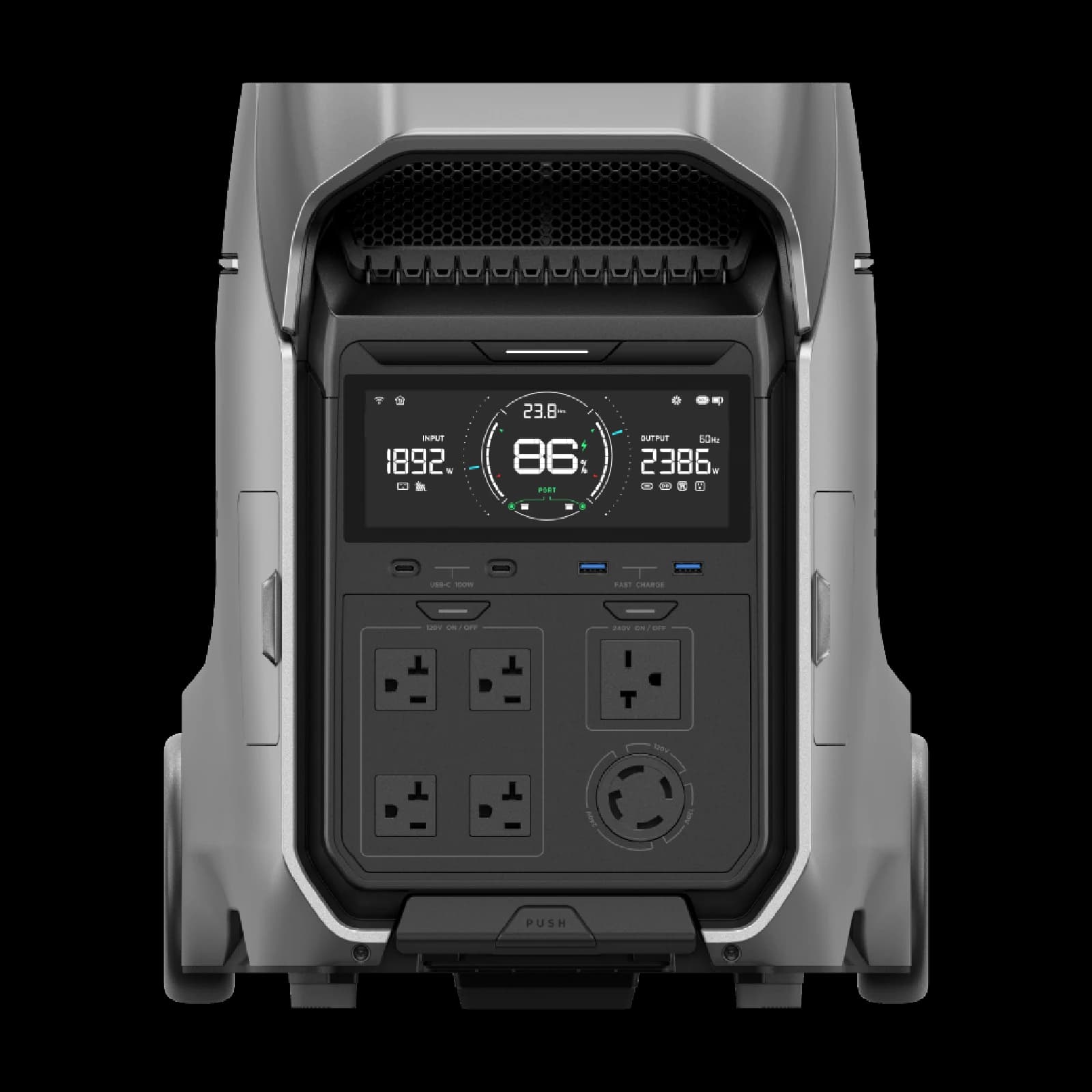
EcoFlow DELTA Pro 3

Projected runtime
5.2 days
Headroom
74%
Weight
51.5 kg

Why it fits

75.6 BatteryRank score — the highest of any station that fits this plan

Main compromise

4 points below the highest-scoring eligible model across 18 eligible models

Open sourced model dossier →

Longer off-grid stay

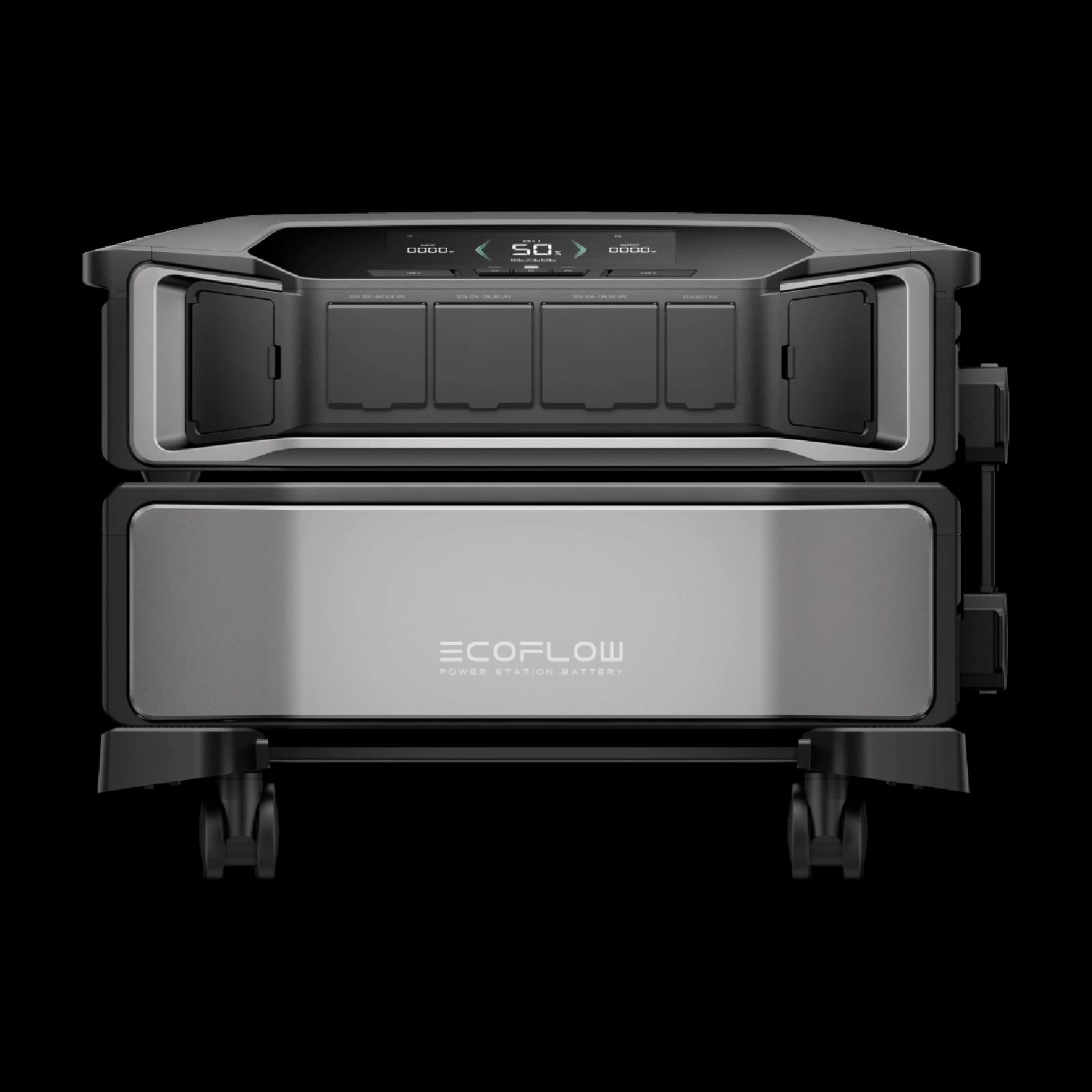
EcoFlow DELTA Pro Ultra

Projected runtime
7.2 days
Headroom
139.8%
Weight
82.4 kg

Why it fits

7.2 projected runtime days

Main compromise

7.2 days less projected runtime than the longest-running eligible model across 18 eligible models

Open sourced model dossier →

Solar balance

What recharging changes

On EcoFlow DELTA Pro Ultra X, the configured 200 W array harvests 560 Wh/day.

The remaining deficit is 294 Wh/day, for about 41.8 days of modeled runtime.

Review the published solar method →

Explore passing models by projected runtime

This ordered data view is separate from the three recommended buying strategies above.

  1. 01EcoFlow DELTA Pro Ultra X14.4 days
  2. 02EcoFlow DELTA Pro Ultra7.2 days
  3. 03Zendure SuperBase V64006.8 days
  4. 04Jackery Explorer 5000 Plus5.9 days
  5. 05Pecron F5000LFP5.4 days

Questions from the same calculation

How much power do you need for overlanding?
2,232 Wh of delivered energy over 3 days, drawing 160 W if every device runs at once. 12V camping fridge (45L) alone is 44% of that energy, so it is the load worth measuring first — the rest of the manifest barely moves the answer.
What decides whether a station can start this setup?
Nothing in this manifest has a motor or compressor start above its running draw, so the 160 W continuous figure is the real inverter requirement. That is unusual — most outage plans are gated by a startup spike rather than by running watts.
Does running the DC loads on 12 V actually change the result?
Yes. 12V camping fridge (45L) is planned on the station's DC output, which skips the inverter conversion entirely. The same hardware on an AC outlet would draw the same work from the battery plus the conversion overhead, and over 3 days that difference compounds.
Should I size around the fridge or around the dish?
Neither on its own, which is the honest answer. They sit 24 Wh apart on a 744 Wh day, so the usual advice to find the dominant load and plan around it returns two answers here. What separates them is control: the dish gives back 75 Wh for every hour you leave it down, and the cold box has no comparable dial — its consumption is set by ambient temperature and how often the lid opens.
Does a longer trip change what I should buy?
Less than you would expect, because the panel covers most of the day. A fourth night adds 744 Wh of draw and 560 Wh of harvest, so extending actually costs 184 Wh — about a quarter of what a night appears to be worth. On a plan shaped like this, duration runs into food and water long before it runs into electricity.
Do the lanterns and camera charging matter at all?
No, and saying so plainly is the point: it sends the effort somewhere useful. Together they are 120 Wh, about 16% of the day, and the two lanterns alone are 60 Wh — roughly what the dish spends in forty-eight minutes. The attention on this plan belongs to the cold box's ambient temperature and the dish's on-hours, and nowhere else.