← Can it run?

Runtime evidence · sourced load

How Many Watts Does Starlink Use?

Starlink draws 75 W while running. 58 stations clear the capacity, inverter, and startup checks at that load.

Average draw
75 W
Source · 2026-07-06
Startup requirement
No separate surge figure sourced
Source · 2026-07-06
Stations passing
58
Current sourced catalog

By the BatteryRank Engineering Team

01 · Runtime ladder

Capacity steps, on the same load

Nominal capacity × depth of discharge × inverter efficiency ÷ sourced average draw.

Estimated runtime by portable power station capacity
Capacity classEstimated runtimeEvidence
300 Whstep 13.1 hrStarlink (Standard kit) load · 2026-07-06
500 Whstep 25.1 hrStarlink (Standard kit) load · 2026-07-06
1,000 Whstep 310.2 hrStarlink (Standard kit) load · 2026-07-06
2,000 Whstep 420.4 hrStarlink (Standard kit) load · 2026-07-06

These are comparison projections, not a promise. Temperature, inverter behavior, cycling, and the individual station's measured delivered capacity can change real runtime.

02 · Reading the numbers

What the Starlink numbers leave out

How this load actually behaves

Starlink is a rare thing in this catalog: a genuinely continuous load with no startup spike. The Standard kit averages 75–100 W and holds it, because the dish is tracking and the router is on whether or not anyone is using the connection. There is no duty cycle to exploit and no cycling to plan around.
Where buyers get this one wrong

Forgetting that continuous means continuous. At 75 W, a full day is about 1.8 kWh — more daily energy than a refrigerator, from a device most people mentally file next to a laptop. The second surprise is cold weather: the dish draws extra power to melt snow, and that demand arrives exactly when solar input is worst.

What our figure does not cover

The 75 W figure is the low end of Starlink's own published 75–100 W range for the Standard kit, and heavy-use days trend toward the top of it. Other hardware generations differ, and none of these figures include the snow-melt draw.

03 · Passing stations

Three scenario-aware recommendations

Some links on this page are affiliate links. BatteryRank may earn a commission at no extra cost to you. Commission never affects whether a station passes these checks; when two stations tie on every measured criterion, the one with a live retail offer is shown.

Easy-carry fit

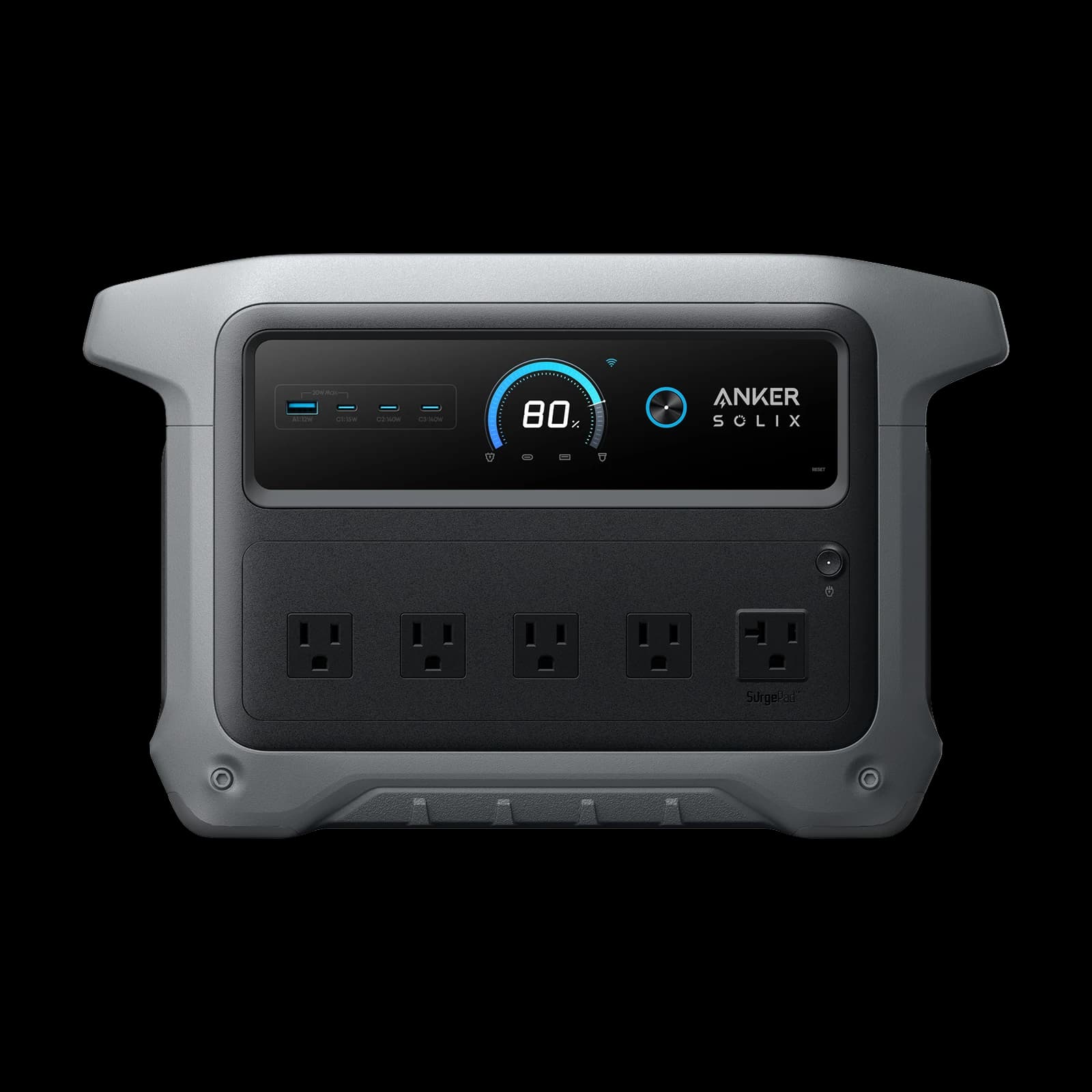
Anker SOLIX C1000 Gen 2

Projected runtime
34.8 hr
Headroom
45.1%
Weight
11.3 kg

Why it fits

11.3 kg, 3.7 kg below the 15 kg preferred limit

Main compromise

1.1 kg heavier than the lightest eligible model (57 of 58 eligible models have this sourced value)

Open sourced model dossier →

Best all-round fit

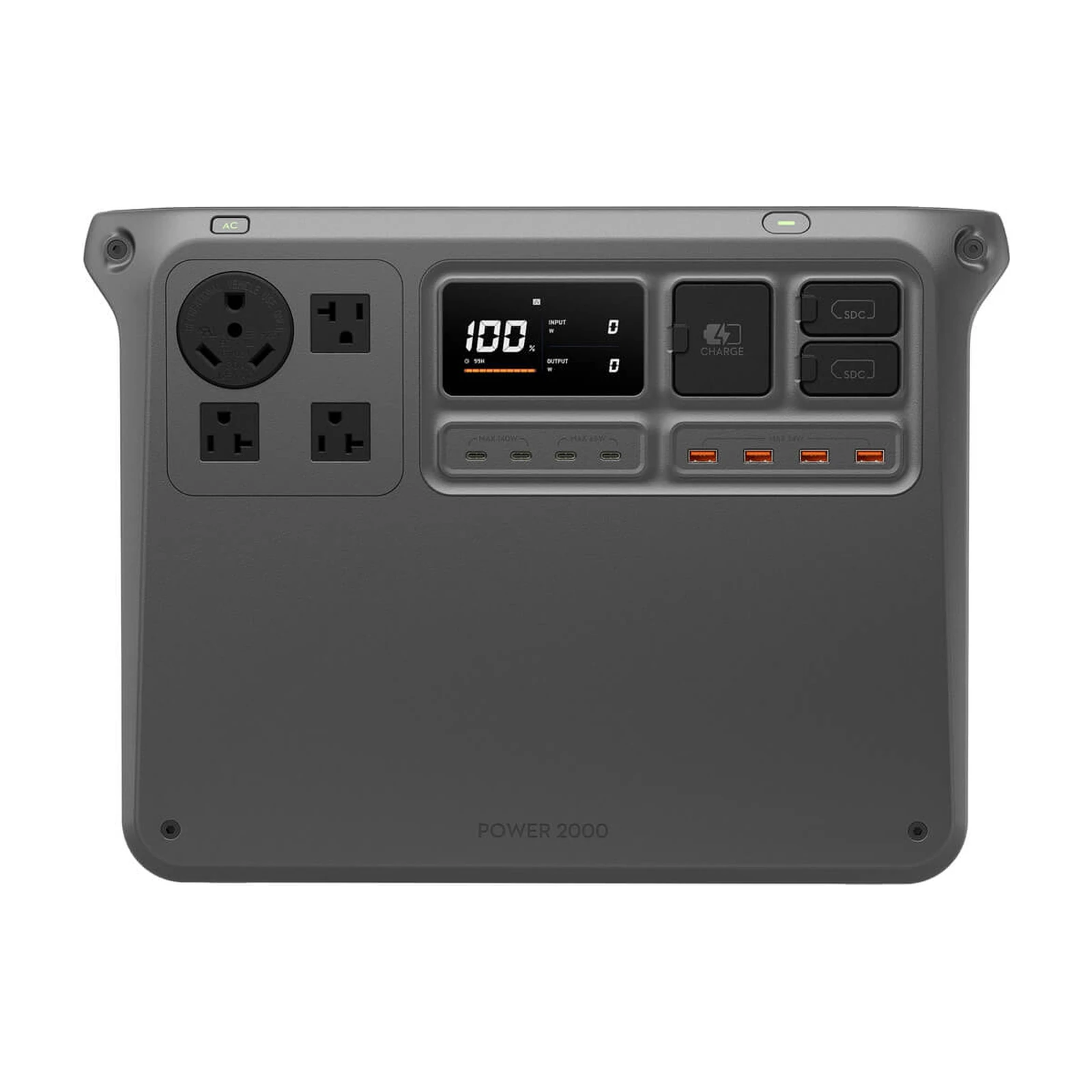
DJI Power 2000

Projected runtime
69.6 hr
Headroom
190.1%
Weight
22 kg

Why it fits

74.9 BatteryRank score — the highest of any station that fits this plan

Main compromise

4.8 points below the highest-scoring eligible model (57 of 58 eligible models have this sourced value)

Open sourced model dossier →

Extended runtime

Dabbsson 3000L

Projected runtime
94 hr
Headroom
291.7%
Weight
25.8 kg

Why it fits

94 projected runtime hours

Main compromise

323.8 hours less projected runtime than the longest-running eligible model across 58 eligible models

Open sourced model dossier →

Explore passing models by projected runtime

This ordered data view is separate from the three recommended buying strategies above.

  1. 01EcoFlow DELTA Pro Ultra X417.8 hr
  2. 02EcoFlow DELTA Pro Ultra208.9 hr
  3. 03Zendure SuperBase V6400197 hr
  4. 04Jackery Explorer 5000 Plus171.4 hr
  5. 05Pecron F5000LFP156.7 hr

Runtime uses each linked model's sourced capacity and output data; open its dossier for provenance.

Solar effect

200 W of panels on EcoFlow DELTA Pro Ultra X

Daily harvest
560 Wh
Daily balance
146 Wh deficit
Runtime with solar
84.2 days

Computed with this model's sourced solar-input limit and BatteryRank's published harvest assumptions. Check the solar method → · Model sources →

04 · Evidence record

Device assumptions used

Sourced running draw
75 W
Duty cycle
100%
Startup surge
No separate surge figure sourced
Manufacturer spec · 2026-07-06

Questions, answered from the same inputs

How Many Watts Does Starlink Use?
Yes. 58 stations in the current sourced catalog pass the capacity, inverter, and startup checks for the default runtime.
What power figure matters most for Starlink?
The sourced running draw determines both inverter fit and battery runtime. No separate real-watt startup figure is available from the cited source.
How much battery does Starlink use per day?
At its published 75 W average, roughly 1.8 kWh over 24 hours before conversion losses — which is why full-time off-grid users almost always cut runtime by powering it only during working hours rather than leaving it up overnight.
Does turning it off and on save meaningful power?
Yes, more than almost any other efficiency measure available to you. Because there is no duty cycle to reduce, hours of operation is effectively the only lever on Starlink's energy use.
Can solar keep up with it?
A 200 W array in good conditions roughly offsets a working day of use, but the honest planning figure is harvest, not panel rating — cloud, angle, and short winter days routinely cut real harvest to a fraction of nameplate.